24/7 Emergency Wildlife Removal
Swift Wildlife Removal
Wildlife Cleanup & Sanitization Specialists

Animal Cleanup & Sanitization in Port St. Lucie for Healthier Homes

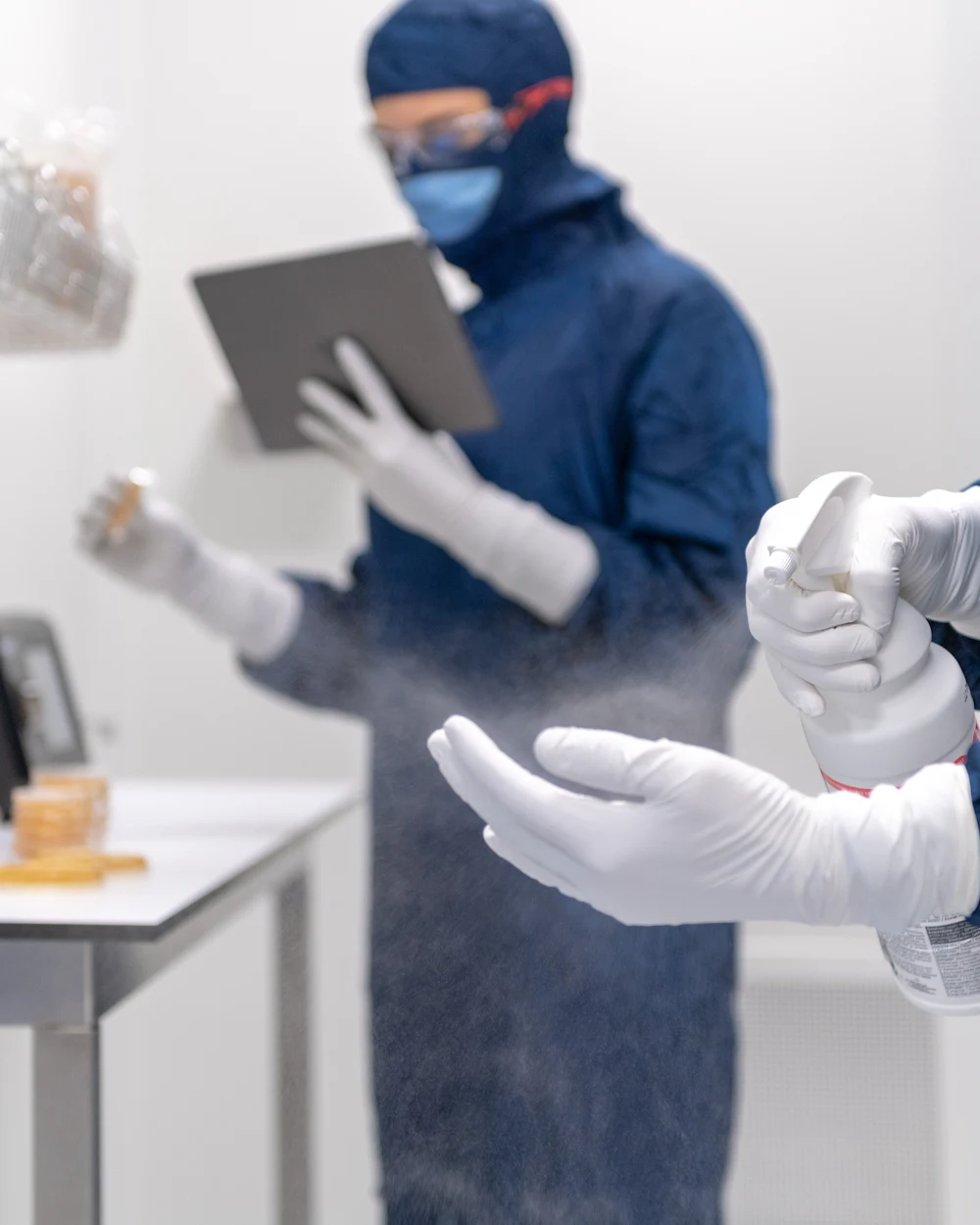
After the wildlife is gone, the contamination stays. We remove droppings and nest debris, decontaminate attics and crawlspaces, neutralize odor and sanitize the surfaces disease can hide on — restoring your home to clean, healthy and safe.

5.0 · Rated on Google
Droppings & nest removal Odor neutralized at the source Attic decontamination
Swift Wildlife technician decontaminating and sanitizing a Treasure Coast attic after wildlife activity
Restored & Sanitized

Removed, disinfected, deodorized — documented every step.

Out of Sight

What Wildlife Leaves Behind

The animal is only half the problem. Here’s where contamination hides in a Treasure Coast home — and why each zone needs professional cleanup.

  1. 1

    Attics

    Typical contamination

    Droppings, urine-soaked insulation and shed fur build up in the quietest, warmest space in the house.

    Potential risk

    Airborne spores and bacteria drift down through ceilings and vents into your living space.

    Why cleanup matters

    Insulation often has to be removed and replaced, not just wiped down.

  2. 2

    Crawlspaces

    Typical contamination

    Ground-level nests, feces and dead-animal residue collect in the dark and stay damp.

    Potential risk

    Moisture plus waste breeds mold and draws insects toward the foundation.

    Why cleanup matters

    Requires containment and treated removal so contaminants aren’t tracked upstairs.

  3. 3

    Wall voids

    Typical contamination

    Rodents and bats leave droppings and greasy rub marks inside hollow walls.

    Potential risk

    Hidden waste is the classic source of an odor you can smell but never find.

    Why cleanup matters

    Targeted access and deodorizing reach what surface cleaning can’t.

  4. 4

    Garages

    Typical contamination

    Nesting material, chewed storage and droppings around stored items and vehicles.

    Potential risk

    Contaminated surfaces spread to boxes, tools and anything porous nearby.

    Why cleanup matters

    Professional sanitizing protects belongings and stops re-nesting.

  5. 5

    Rooflines & soffits

    Typical contamination

    Entry-point staining, guano streaks and nesting debris along the eaves.

    Potential risk

    Acidic waste degrades wood and fascia while marking the way back in for wildlife.

    Why cleanup matters

    Cleaning plus sealing removes both the mess and the scent trail.

  6. 6

    Storage spaces

    Typical contamination

    Closets, sheds and attic-storage boxes soiled by droppings and urine.

    Potential risk

    Keepsakes and seasonal items absorb odor and become unsafe to handle.

    Why cleanup matters

    Assessment tells you what can be saved and what must be discarded safely.

The Full Cost

The Real Impact of Wildlife Contamination

Left untreated, wildlife waste hits your home on three fronts at once.

Health Risks

Bacteria

Salmonella, leptospira and E. coli live in fresh and dried droppings.

Parasites

Raccoon roundworm and mites survive long after the animal leaves.

Air quality

Dried waste becomes inhalable dust that circulates through your HVAC.

Property Risks

Insulation damage

Soiled, matted insulation loses R-value and must be replaced.

Odor absorption

Wood, drywall and fabric soak up urine odor that lingers for months.

Structural wear

Acidic guano and moisture rot fascia, joists and sheathing over time.

Comfort Risks

Persistent smell

A musty, ammonia-like odor that returns on humid Florida days.

Recurring pests

Leftover scent and waste actively invite the next animal in.

Poor indoor air

Contaminants keep circulating until the source is fully removed.

What We Restore

Our Most Requested Cleanup Services

Each contamination type needs its own method — here’s how we handle the three we see most.

Raccoon Waste Cleanup

Contamination signs

Latrine sites in the attic, torn insulation and a heavy, musky odor.

Our cleanup approach

Full waste removal, roundworm-aware decontamination, and insulation replacement where needed.

You get

A safe, re-insulated attic with the health hazard fully removed.
Related: Raccoon Removal

Bat Guano Removal

Contamination signs

Piled guano below roosts, dark staining and a sharp ammonia smell.

Our cleanup approach

Contained guano extraction, HEPA cleanup and antimicrobial surface treatment.

You get

Spores and odor gone, surfaces sanitized, roost sealed against return.

Related: Bat Removal

Rodent Contamination Cleanup

Contamination signs

Droppings along beams, greasy runways and gnawed, nested insulation.

Our cleanup approach

Dropping and nest removal, disinfection of runways, and deodorizing of voids.

You get

Clean cavities, neutralized scent trails and fewer future invaders.

Related: Rodent Control
Swift Wildlife cleanup crew sanitizing a decontaminated attic space on the Treasure Coast
The Swift System

How We Restore Contaminated Wildlife Areas

Six stages that turn a contaminated space back into a clean, healthy part of your home.

  1. Step 01

    Inspection

    We map every contaminated zone and entry point.

  2. Step 02

    Contamination Assessment

    We grade the waste, damage and health risk.

  3. Step 03

    Waste Removal

    Droppings, nests and soiled insulation are safely removed.

  4. Step 04

    Surface Treatment

    Affected surfaces are cleaned and disinfected.

  5. Step 05

    Odor Neutralization

    We neutralize odor at the source, not just mask it.

  6. Step 06

    Prevention Recommendations

    You get a plan to keep the space clean for good.

A repeatable system — every stage documented so you know your home is genuinely clean, safe and protected.

Real Results

From Contaminated to Comfortable

Verified Google reviews from homeowners whose spaces we cleaned and restored.

Attic decontamination
These guys were awesome. After dealing with the issue, they completely disinfected my attic and made it feel clean and safe again. They showed up on time, explained everything in a way that actually made sense, and didn’t cut corners.
Mike DiGiacomo Stuart · Verified Google review
Cleaned & sealed
This team was quick, respectful of my home, and incredibly knowledgeable! They also made sure everything was clean and secure before they left. It’s such a relief knowing the problem is solved.
Chris Favale Stuart · Verified Google review
Secured afterward
Absolutely outstanding service! The team was professional, quick, and incredibly knowledgeable. They safely removed the animals and made sure everything was secure afterward. I’m beyond impressed with their work!
Yuriana Escalera Stuart · Verified Google review

Reviews shown are genuine Google reviews from Swift Wildlife customers and reflect our overall wildlife service. Individual results and situations vary.

Knowledge Center

When Should Wildlife Cleanup Be Scheduled?

Five moments when sanitization protects your health, your home and your investment.

Moment 01 Right after wildlife removal

Removing the animal doesn’t remove what it left. Droppings, urine and nesting material stay behind and keep releasing odor and contaminants — cleanup is the step that actually makes the space safe again.

Moment 02 Before replacing attic insulation

New insulation over contaminated decking traps bacteria and odor underneath. Decontaminating first means your investment goes into a genuinely clean, sealed attic.

Moment 03 After discovering droppings

Finding droppings on beams, in a closet or around stored boxes is a signal that waste is accumulating out of sight. A professional assessment tells you how far it has spread before you disturb it.

Moment 04 After nesting activity

Even a vacated nest is a concentrated source of parasites, mites and scent that attracts the next animal. Cleaning and deodorizing the site closes that loop.

Moment 05 Before selling a home

Wildlife odor and attic staining are red flags for inspectors and buyers. Documented cleanup and sanitization protect your sale and your peace of mind.

Licensed & Insured FWC-Compliant Humane Trapping & Relocation 5.0★ · 85 Google Reviews Serving Port St. Lucie & the Treasure Coast
Good to Know

Animal Cleanup & Sanitization FAQs

Straight answers on waste removal, sanitization, odor, attic decontamination and prevention.

What does wildlife cleanup and sanitization actually include?

It covers everything the animal left behind: removing droppings, urine-soaked insulation, nesting material and dead-animal residue, then disinfecting the affected surfaces, neutralizing odor and advising on any insulation or repairs. The goal is a home that’s not just empty of wildlife but genuinely clean and safe to use.

Why can’t I just clean up the droppings myself?

Dried wildlife waste can release inhalable bacteria, fungal spores and parasite eggs — raccoon roundworm and histoplasmosis from bat guano are real risks. Without proper containment, protective gear and antimicrobial treatment, DIY cleanup can spread contamination and expose your household. Professional cleanup is about doing it safely, not just thoroughly.

How do you get rid of the smell for good?

Odor comes from waste and the porous materials that absorb it, so masking it never lasts. We remove the source, treat and disinfect the surfaces, then use odor-neutralizing agents that break down the compounds causing the smell — rather than covering it with fragrance that fades on humid days.

Do you handle attic contamination and insulation?

Yes. The attic is the most common contamination site we treat. When insulation is soiled it loses effectiveness and holds odor and bacteria, so we remove the affected material, decontaminate the decking and framing, and can advise on or coordinate replacement so the space is restored properly.

Is bat guano really that dangerous to clean up?

Bat guano can harbor the fungus that causes histoplasmosis, which becomes airborne when the guano is disturbed. Bats are also protected in Florida. We handle guano with containment and HEPA methods, treat the surfaces, and coordinate any exclusion legally — it’s not a job for a shop vac and a mask.

How do you clean up rodent contamination?

We remove droppings and nesting material, disinfect the runways and surfaces rodents traveled, and deodorize wall voids and cavities where waste collects. Because leftover scent trails invite new rodents, sanitizing is what keeps the problem from simply repeating.

Will I need to replace my insulation?

Not always — it depends on how saturated and how widespread the contamination is. Light surface debris can often be cleaned, but insulation soaked with urine or packed with droppings should be replaced. Our inspection gives you an honest answer rather than an automatic upsell.

Do you offer an inspection before cleanup?

Yes — a free inspection is the right starting point. A technician evaluates which areas are contaminated, how far it has spread and what the health and property risks are, then explains your cleanup options and pricing before any work begins.

How do you help prevent contamination from coming back?

Cleanup and prevention go together. After sanitizing, we identify the entry points that let wildlife in, recommend exclusion to seal them, and advise on reducing the food and shelter that attract animals — so the space you just paid to restore stays clean.

How soon should cleanup happen after wildlife is gone?

The sooner the better. Waste keeps degrading materials and releasing odor and contaminants the longer it sits, and Florida’s heat and humidity accelerate everything. Scheduling cleanup promptly after removal limits the damage and the cost.

Swift Wildlife mascot Your Next Move

Take the Next Step Toward a Cleaner Property

Free Inspection

Identify contamination, damage and wildlife-related risks before they worsen — at no cost.

Book Free Inspection

Call Us Now

Speak with a wildlife cleanup specialist about your property concerns and next steps.

Call (772) 227-1522