
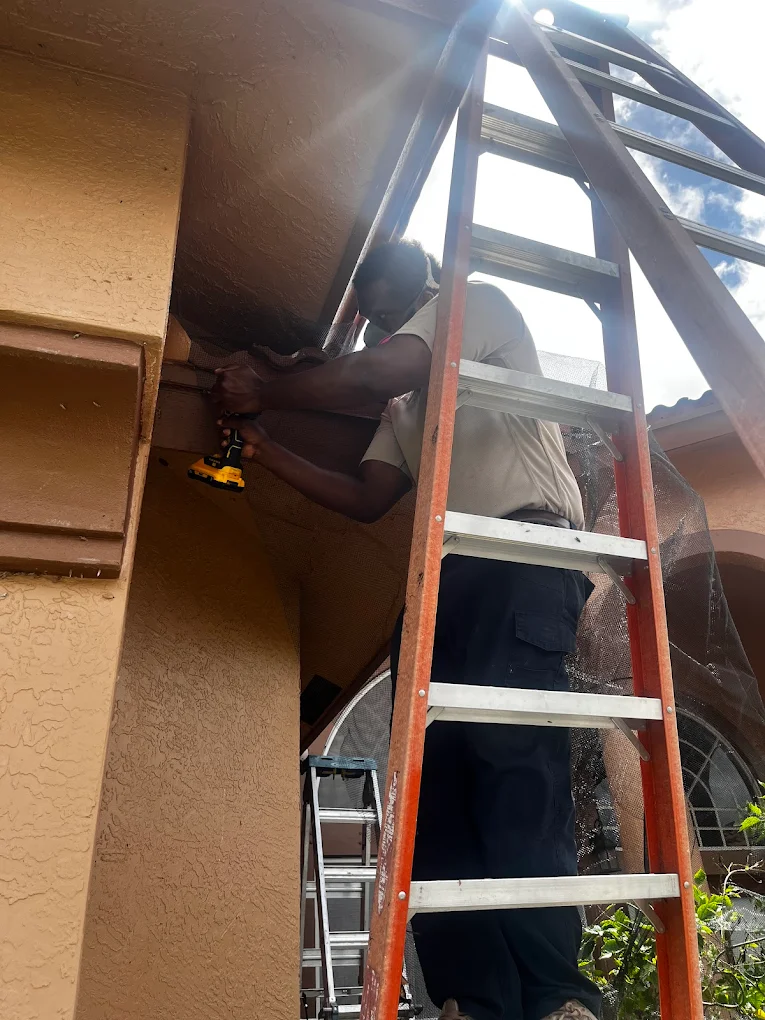
Rat, Mouse & Rodent Control in Port St. Lucie
Mice and rats don’t stay put. They breed, spread and damage homes from the attic down. We’re Issac and Ella, a licensed and insured husband-and-wife team in Port St. Lucie, and we handle rodent control for the Treasure Coast to FWC standards: inspection, humane trapping and removal, exclusion, cleanup and prevention.
- Mice & rats
- Attic infestations
- Long-term prevention
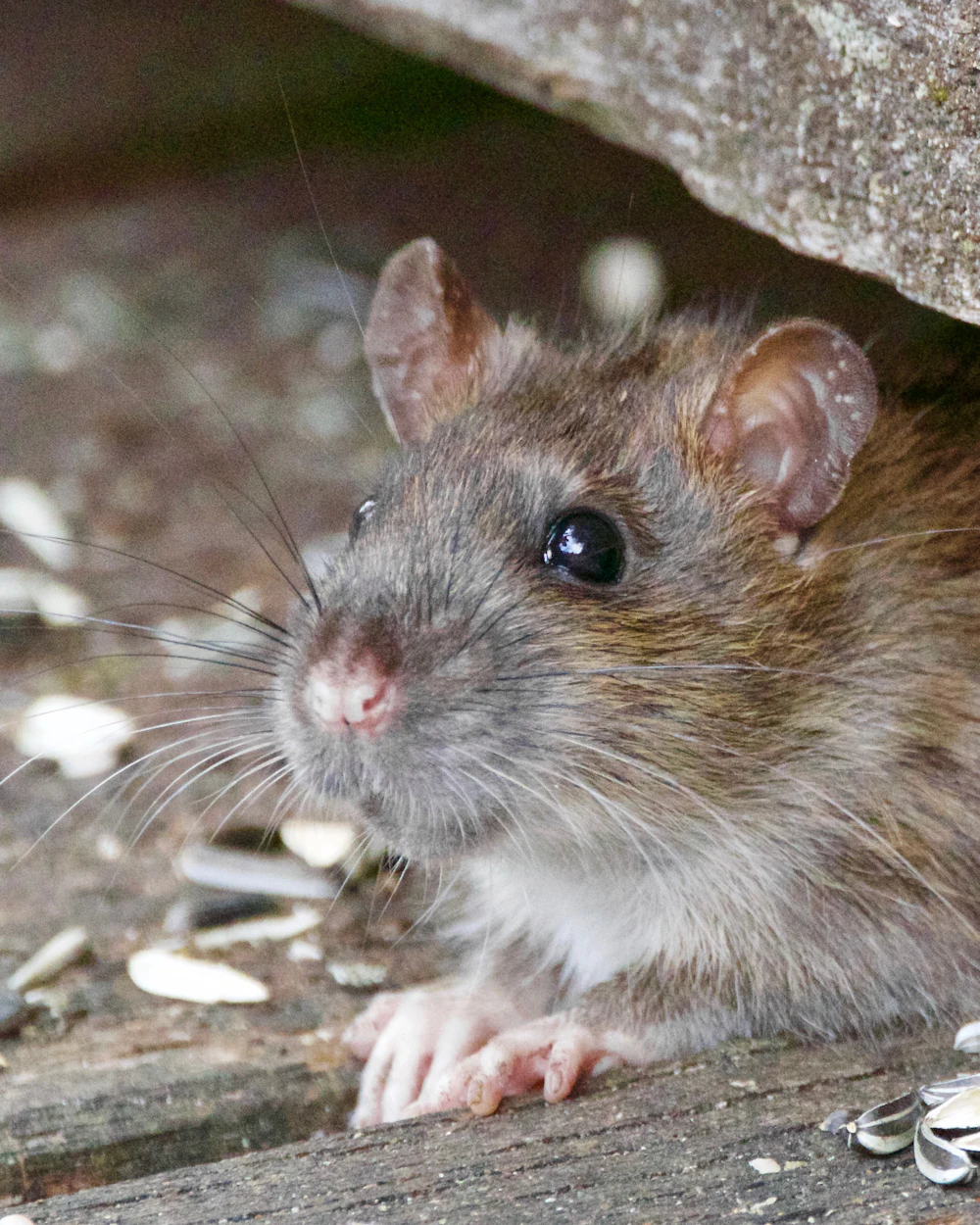
Found and sealed.
Entry points closed for good
How Rodent Problems Develop Around Properties
Rodents respond to pressure, the conditions that make a property worth moving into. Here’s what we look at, and how each factor is best relieved.
Food availability
Crumbs, pet food, fruit trees and open trash are the single strongest rodent magnets.
Secure food, clear fallen fruit and seal trash bins.
Water access
Leaks, condensation, irrigation and pet bowls supply the water rodents need to stay.
Fix leaks and eliminate standing water sources.
Shelter opportunities
Attics, wall voids and dense landscaping offer safe, warm places to nest and breed.
Reduce harborage and seal off shelter points.
Exterior clutter
Woodpiles, debris and ground-level storage create cover and runways beside the home.
Clear clutter and keep storage up off the ground.
Structural openings
Gaps, vents and utility penetrations are the actual doorways rodents use to get inside.
Professionally exclude every qualifying opening.
Seasonal weather
Cooler, wetter spells drive rodents indoors in predictable seasonal waves.
Harden the property ahead of seasonal pushes.
Where Rodents Affect Homes Most
Rodent damage concentrates in six areas of a property. Knowing what happens in each, and the signs it leaves, is how problems get caught early.
Attics
Nesting and travel through insulation.
Chewed wiring (fire risk) and ruined insulation.
Overhead scratching and droppings on insulation.
Kitchens
Nightly foraging for food and water.
Contamination of food surfaces and packaging.
Gnawed packaging and droppings in cabinets.
Garages
Nesting in stored items and vehicles.
Chewed wiring in cars and equipment.
Nests in boxes and chew marks on stored goods.
Wall cavities
Hidden vertical travel between floors.
Gnawed wiring and structural gnaw damage.
Scratching inside walls and grease marks.
Crawlspaces
Ground-level nesting and burrowing.
Contamination and gnawed low utilities.
Droppings and disturbed or broken vents.
Exterior structures
Sheds, decks and landscaping harborage.
A staging point for entry into the home.
Burrows, runways and gnawed edges.
Solutions for Every Rodent Problem
Complete rodent control rests on three pillars: the two rodents that matter most, and the exclusion that makes the work last. Rats and mice are each covered in depth just below.
Rat Control
Jump to rat controlLarger roof and Norway rats causing heavy attic, wiring and structural damage.
Species-specific removal, exclusion and contamination cleanup.
Bigger risks contained and the property fully restored.
Mouse Control
Jump to mouse controlSmall, fast-breeding mice slipping through dime-sized gaps into kitchens and attics.
Inspection, removal and sealing tuned specifically to mouse behavior and travel.
A small problem stopped before it multiplies into an infestation.
Wildlife Exclusion
Explore Wildlife ExclusionThe open entry points that let rodents keep coming back after every treatment.
Full home-hardening and permanent entry-point sealing.
The permanent sealing that makes rodent control last.
The Two Rats Behind Treasure Coast Infestations
Florida homes deal with two rat species, and they behave nothing alike. Where each one lives decides how it gets in — and how we keep it out. Both are removed without poison, then sealed out for good.
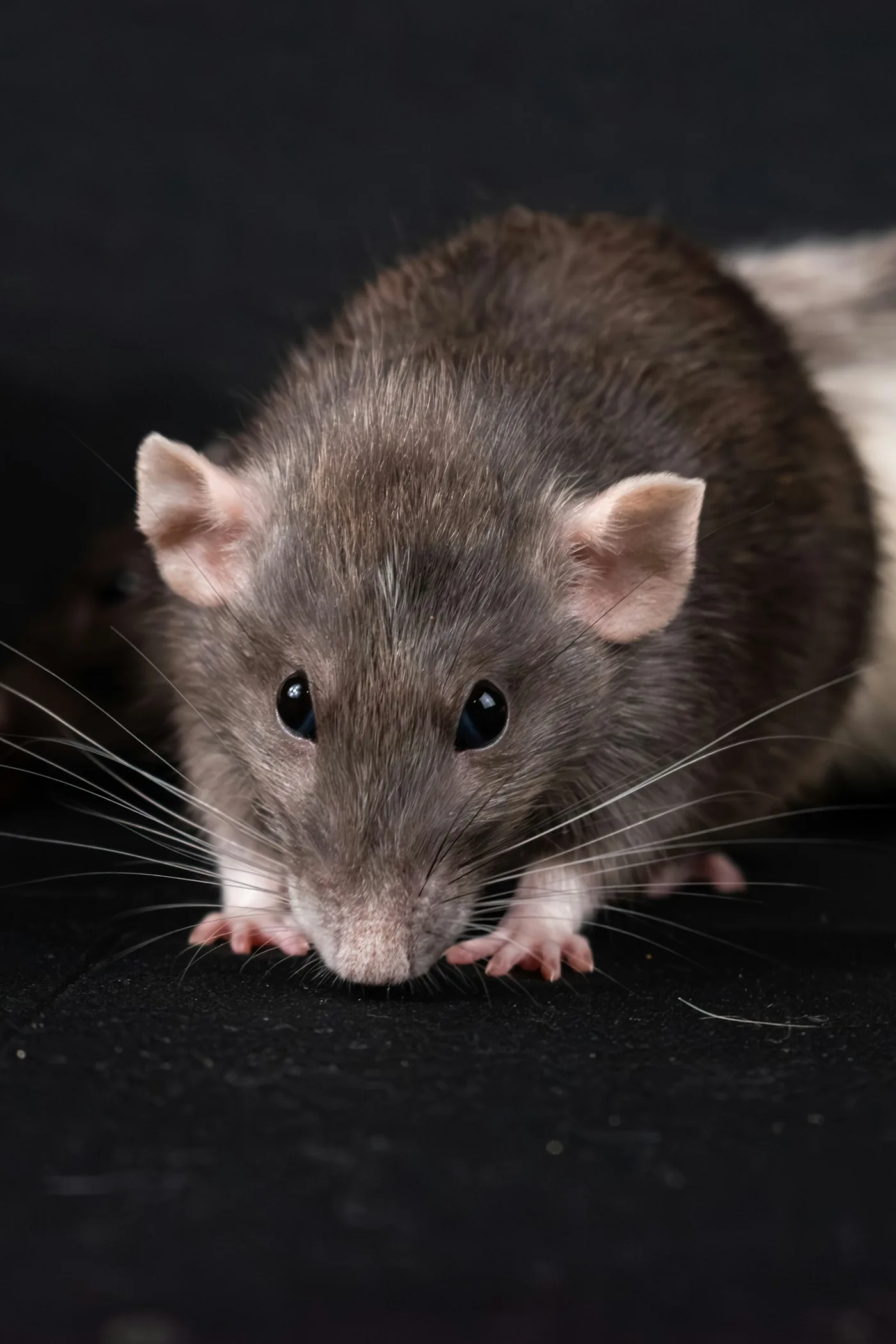
Roof Rat
Rattus rattus- Appearance
- Sleek and slender, 13–16" including a long tail; black to brown with large ears and eyes.
- Habitat
- Prefers height — attics, rafters, trees and vine-covered walls.
- Entry behavior
- An agile climber; enters high via rooflines, soffits and overhanging branches.
- Property risk
- Overhead wiring and insulation damage — the classic Florida attic infestation.
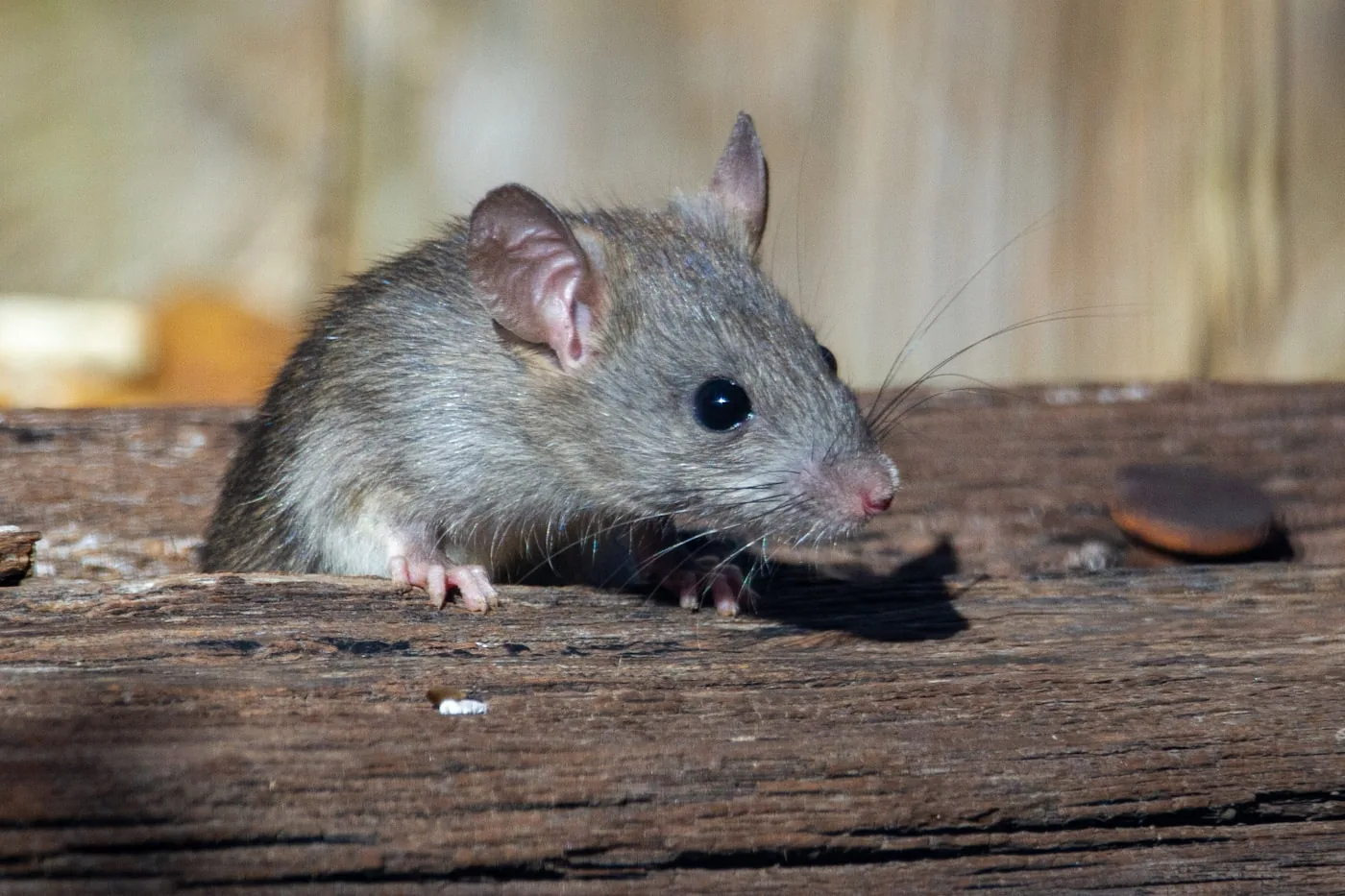
Norway Rat
Rattus norvegicus- Appearance
- Heavier and stockier, up to 16" with a shorter tail; brown-grey with smaller ears.
- Habitat
- Prefers low ground — burrows, crawlspaces, foundations and drains.
- Entry behavior
- A strong burrower; enters low through foundation gaps, crawlspace vents and drains.
- Property risk
- Undermines foundations and gnaws low utilities, with heavy ground-level contamination.
Stopping House Mice Before They Multiply
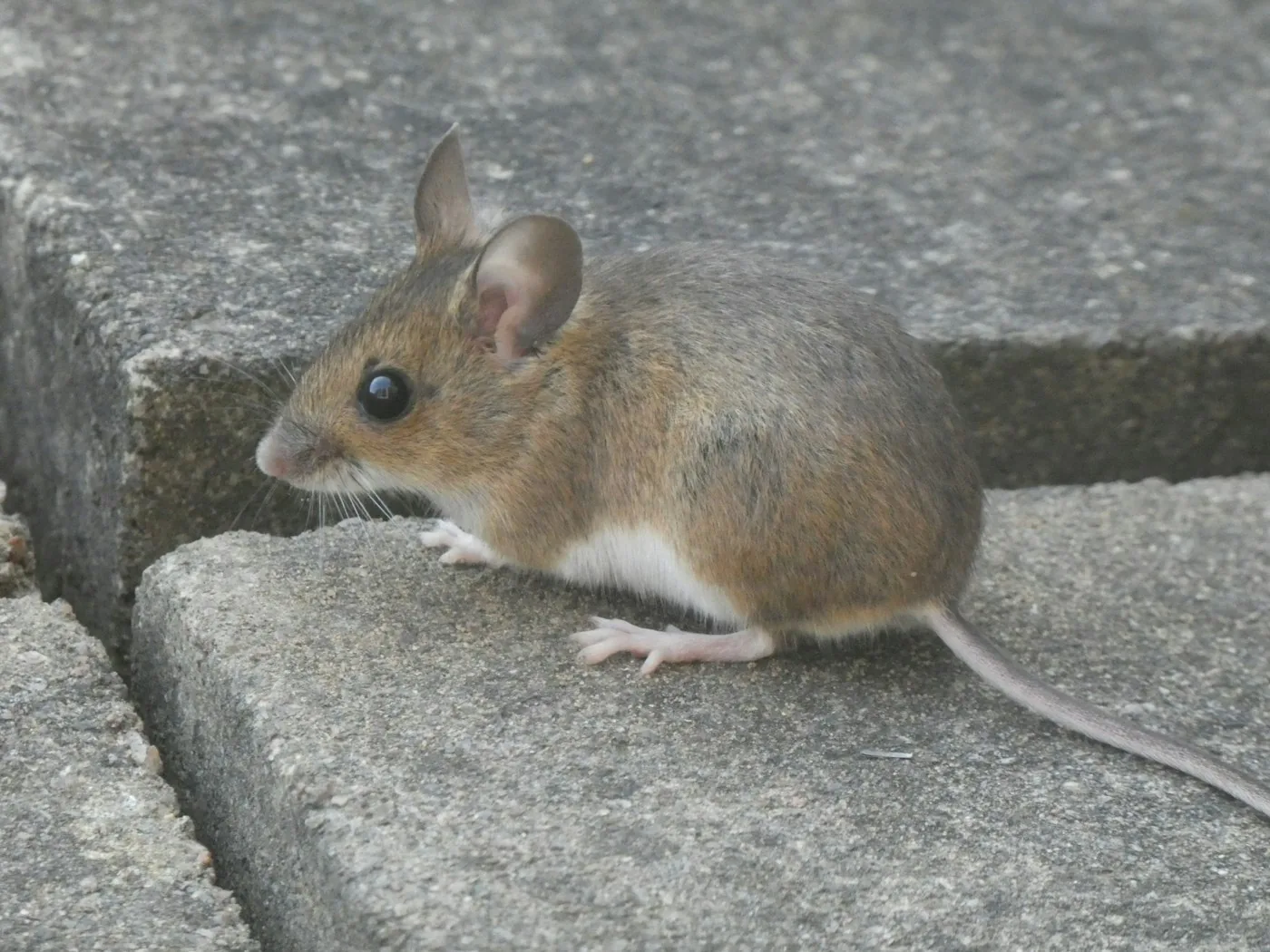
The house mouse is small, secretive and a fast breeder — which is exactly why a couple of mice rarely stay a couple. Here’s what makes them so hard to shift, and how we stop them.
A dime-sized gap is all it takes
A house mouse squeezes through an opening about a quarter-inch wide — roughly the size of a dime — so the gaps that let them in are easy to miss.
They breed year-round
Florida’s climate keeps mice breeding all year. One female can produce dozens of offspring in a single year, so a couple of mice become a colony in weeks.
They nest where it’s warm and quiet
Attics, wall voids and the backs of kitchen cabinets give mice warmth, cover and easy access to food and water.
Trap-and-seal, never bait
Traps alone never outpace breeding. We remove the active mice, seal every entry point, and sanitize — so the problem ends instead of resetting each season.
Why Successful Rodent Control Requires Multiple Strategies
No single step solves a rodent problem. Detection, inspection, removal, exclusion, cleanup and prevention work as one connected system. Each depends on the others to hold.
Management
01 · Detection
Catches the early signs: droppings, sounds and activity that flag a problem before it grows.
02 · Inspection
Turns detection into a plan by locating the source, entry points and true extent.
03 · Removal
Humane trapping clears the active rodents the inspection uncovered.
04 · Exclusion
Seals the access points so removal isn’t undone by the next rodent in line.
05 · Cleanup
Decontaminates what rodents leave behind, protecting health and erasing the scent that draws newcomers.
06 · Prevention
Ongoing monitoring and advice that keeps every other component from being needed again.
How We Help Property Owners Regain Control
Genuine reviews from Swift Wildlife customers across the Treasure Coast who called us about mice and rats.
“Had mice running in my house and they came late at night to deal with it. A day later and the problem is solved. Super fast, picked up first time, and late night is pretty awesome these days.”
“The company to call if you have a rat infestation. After calling several places, they were the only ones who could come the same day, arrived on time and took care of the problem.”
“Helped me a ton with rodents. Professional, knowledgeable and straightforward from the first call all the way through the finished job.”
Frequently Overlooked Rodent Risks
The rodents you can see are rarely the whole story. These are the risks homeowners underestimate most, and the reasons acting early pays off.
Contamination concerns
Droppings, urine and nesting spread bacteria and allergens through insulation and the air. The risk lingers long after the rodents themselves are gone.
Insulation damage
Rodents compress, shred and soil attic insulation to build nests, driving up energy bills and lowering the air quality throughout the home.
Wiring damage
Constant gnawing on electrical wiring is one of the most dangerous rodent risks of all, and a recognized cause of house fires.
Population growth
Rodents breed year-round in Florida’s climate. A handful can compound into a full infestation in a matter of weeks if nothing interrupts them.
Entry-point expansion
A rodent enlarges the gap it entered through, opening the door for more rodents and sometimes larger wildlife to follow behind it.
Secondary pest attraction
Droppings, food caches and carcasses draw insects and other pests, turning one rodent problem into several.
Rodent Control FAQs
Straight answers on inspections, rats vs mice, exclusion, attic infestations, cleanup, monitoring and long-term control.
01 What does professional rodent control actually include?
Rodent control works as a system. It combines detection and inspection to find the problem, humane trapping and removal to clear the active rodents, exclusion to seal how they got in, cleanup to decontaminate what they left behind, and prevention to keep it from returning. Doing all of it together is what separates lasting control from a temporary fix.
02 How do I know whether I have rats or mice?
Size and location are the biggest clues. Mice are small, leave tiny droppings and stay near food in kitchens and lower areas. Rats are larger, leave bigger droppings and, with roof rats especially, are heard in attics and along rooflines. Our inspection confirms the species, because rats and mice enter and nest differently and need a tailored approach.
03 What’s the difference between roof rats and Norway rats?
Roof rats are sleek climbers that prefer height — attics, rafters and trees — and they’re the most common rat in Florida homes. Norway rats are heavier, stronger burrowers that stay low in crawlspaces, foundations and drains. Knowing which one you have shapes the whole approach, because they enter and nest in completely different parts of the property.
04 How small a gap can a mouse get through?
A house mouse can squeeze through a gap about the size of a dime — roughly a quarter-inch. That’s why casual sealing so often misses the mark: the openings are easy to overlook. A thorough exclusion accounts for every qualifying gap around the roofline, foundation, utilities and vents.
05 How much damage can rats really do?
More than most people expect. Rats chew wiring, which is a genuine fire risk, and they shred insulation, gnaw ductwork and structural wood, and contaminate stored belongings. A single unchecked attic infestation can cause thousands of dollars in damage over time, which is why acting early is so much cheaper than waiting.
06 Can I just use traps and bait from the store?
Traps can catch individual rats or mice, but they don’t seal entry points, control a breeding population or handle contamination — which is why DIY activity so often returns. Lasting control combines inspection, humane trapping, exclusion and cleanup so the problem is fixed at the source rather than managed week to week.
07 How does a rodent inspection work?
We assess the property the way rodents use it: the roofline, vents, soffits, foundation, garage and crawlspace. We look for droppings, gnaw marks, grease trails, nests and the openings rodents travel through. From there we identify the species, map the entry points and extent, and build a plan that targets the source rather than just the activity you’ve noticed.
08 Why is exclusion so important for rodent control?
Removal alone leaves the entry points open, so new rodents simply follow the scent trail back in. That is why infestations recur. Exclusion seals and reinforces those access points with galvanized steel mesh and other rodent-resistant materials. It’s the step that turns a temporary catch into long-term control, and it’s central to everything we do.
09 Can rodents in my attic really cause serious damage?
Yes. The attic is the most common and most costly rodent zone. Chewed wiring is a genuine fire hazard, shredded insulation loses its efficiency, and droppings contaminate the space and the air below it. Attic rodent activity is one of the clearest reasons to act early rather than wait.
10 Do you clean up the mess rodents leave behind?
Yes. Cleanup is part of complete rodent management. We handle decontamination and sanitization of droppings, urine and soiled insulation, which addresses both the health risks and the scent that draws new rodents in. Clearing rodents without cleaning up leaves half the problem in place.
11 How do you prevent rodents from coming back?
Prevention combines thorough exclusion with cutting back what attracts rodents: food, water, shelter and clutter. We seal the openings, point out the weak spots specific to your property, and can re-inspect so the fix holds instead of resetting each season.
12 Do you offer ongoing monitoring?
We build every job around long-term protection and can advise on the monitoring that fits your property: what to watch for, where activity tends to return, and when a follow-up inspection makes sense. Florida’s climate keeps rodents active year-round. Staying ahead of the pressure is far easier than reacting to a full infestation.
13 How quickly can you come out?
We answer live and schedule inspections promptly, because rodent populations grow quickly and damage compounds with time. Reach out and we’ll get you on the schedule and let you know what to watch for in the meantime. Active, escalating situations get priority.
14 Is Swift Wildlife the right call for both mice and rats?
Yes. Rodent control is a core focus for us, and our Mouse Control and Rat Control services both sit under the same complete management approach. Whether you’re dealing with mice, rats or aren’t sure which, one free inspection identifies the problem and connects you to the right combination of removal, exclusion, cleanup and prevention.
15 Are you exterminators?
No. An exterminator kills what’s there and leaves. We find how the rats or mice are getting in, remove them without poison, seal those entry points, and clean up what they left behind. Poison creates a second problem — a dead rodent in a wall cavity you then have to find. Sealing the building is what actually ends it.

Take the First Step Toward Long-Term Rodent Control
One free inspection covers the whole system, detection through prevention. Call now; there are no forms to fill out.
Open 24 hours · 7 days a week · 24/7 emergency line
Rodent Control Across the Treasure Coast
Dedicated local pages for every community we serve — same humane methods, licensed & insured, same-day response.