
01
Why squirrels choose attics
To a squirrel, an attic is a perfect hollow tree: warm, dry, quiet and safe from predators. Add easy roofline access from nearby branches and it becomes prime real estate for raising a litter.
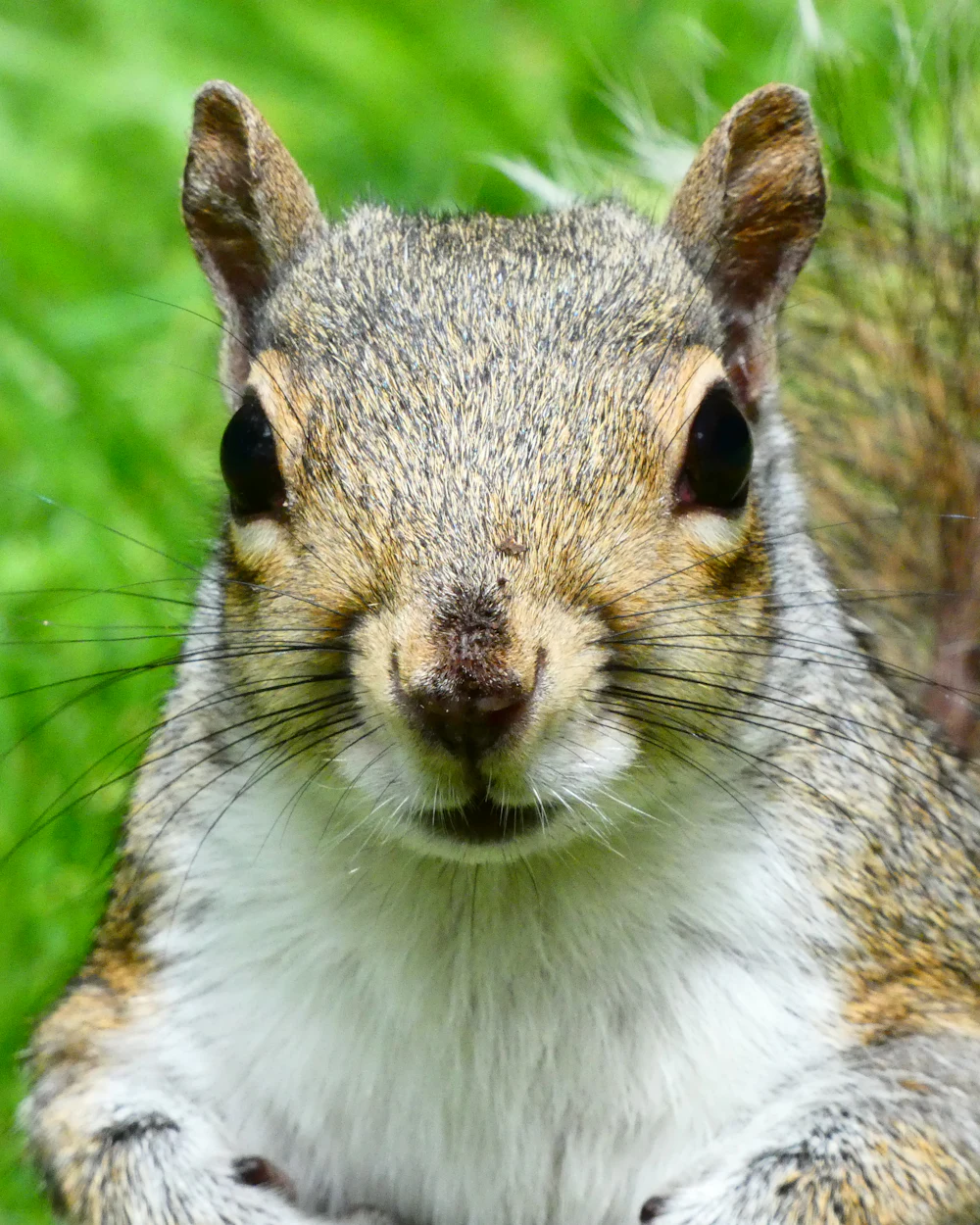
The scratching on the roof. The scurrying above the ceiling. The chewed soffit you just noticed. We remove attic squirrels humanely, babies included, repair the way in, and return them to the trees. Your home goes quiet again.
Returned to the canopy, not harmed.
It starts soft. A light scratching just above the bedroom, right as the sun comes up. Easy to dismiss as the house settling, or wind on the roof.
Within days it’s louder and more frequent: scurrying, rolling, the quick scrabble of tiny claws crossing back and forth overhead. Now it’s impossible to ignore.
Above you, a squirrel has found what it wanted: warmth, quiet and shelter. It shreds insulation, hauls in leaves and begins to nest, often with a litter already on the way.
Then come the signs you can’t unsee: a chewed soffit, a stained ceiling, a gnawed wire. Now you realize just how busy they’ve been up there.
This is where it changes. We read the roofline and find the family, babies and all. Then we remove them gently and humanely, without traps that harm or separate them.
The nest is gone, the entry is sealed, and the attic is cleaned and restored. The sounds stop. The squirrels are back outside in the canopy where they belong.
The best squirrel removal protects your home and respects the animal. Everything we do is built around that balance.
Removal should never mean harm. We use humane methods that follow FWC rules, respect the animal and protect your home at the same time.
Squirrels often nest with young. We check for litters and keep families together during relocation, rather than sealing a mother out and babies in.
We treat your home like our own, protecting insulation, wiring and structure with careful removal and clean repairs.
Removal is only half the job. We seal the roofline and entry points so the squirrels you remove today can’t simply move back in tomorrow.
We know Treasure Coast rooflines, oak canopy and construction, and exactly how local squirrels get in, from Stuart to Vero Beach.
You get a live answer and a fast inspection, because every day of activity is another day of nesting, chewing and potential damage above your ceiling.
Three parts, one seamless result — remove them humanely, keep them out, and restore what they left behind.
Squirrels nesting in the attic — with scratching, damage and often a hidden litter.
Humane removal of the whole family, using one-way doors and gentle methods once we’ve read their travel routes.
A quiet, empty attic and wildlife returned safely to the outdoors where it belongs.
The open soffit gaps, roofline seams and vents squirrels use to get back inside.
Durable sealing and reinforcement of every entry point, built for a squirrel’s persistence.
A home hardened against re-entry instead of a revolving door.
The soiled insulation, droppings and nesting debris left behind after an infestation.
Decontamination, cleanup and restoration of the affected attic spaces.
A clean, healthy attic, with the odor and contamination gone.
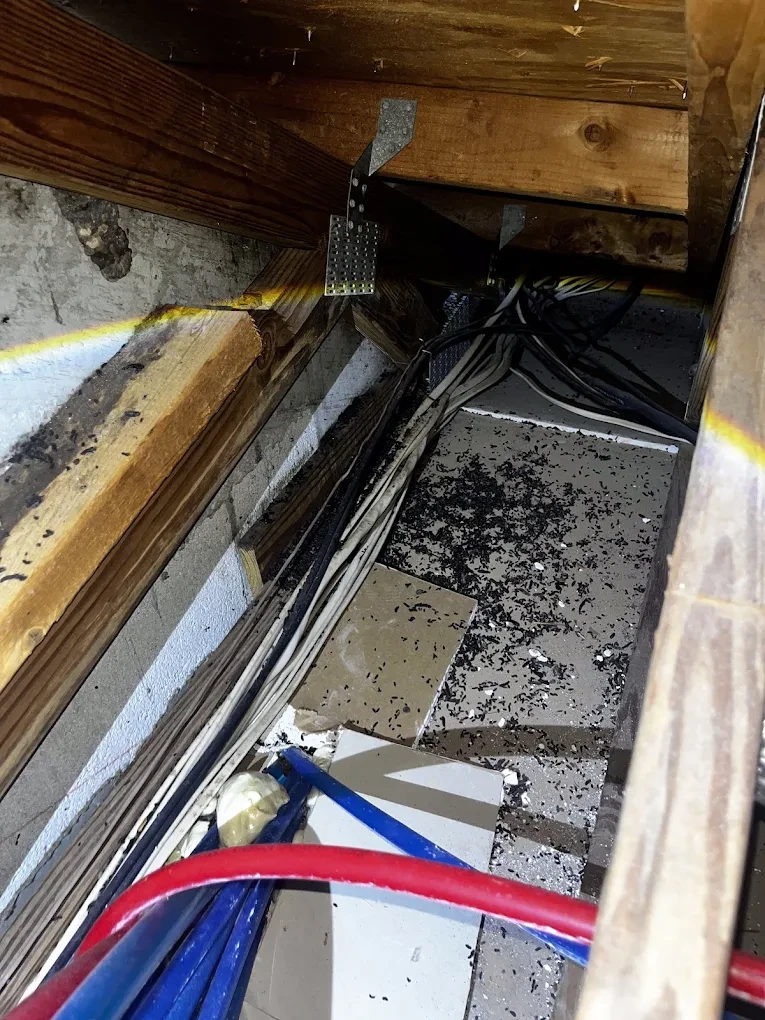
By the time you hear them, they’ve often already been at work above your ceiling. This is what we so often find.
Squirrels gnaw constantly to wear down their ever-growing teeth, and electrical wiring is a favorite target. Stripped, exposed wires in an attic are a recognized fire hazard. It’s the most serious risk squirrels leave behind.
Attic insulation gets shredded, compressed and displaced for nesting, raising energy bills and lowering comfort.
Leaves, twigs and shredded material pile into dense nests packed into corners and voids.
A squirrel widens the gap it entered through, opening the door for more wildlife to follow.
Droppings and urine soak into insulation and surfaces, leaving odor and health concerns behind.
Genuine Google reviews from the homeowners we’ve helped — with the same humane, careful approach we bring to every squirrel call.
“Excellent immediate professional response. Outstanding customer service, caring and an intelligent plan that allows for the humane removal of uninvited wildlife.”
“These guys were awesome. After dealing with the issue, they completely cleaned and restored my attic and made it feel safe again. On time, clear about everything, and didn’t cut corners.”
“Ella and Issac are absolutely wonderful — polite, courteous and very professional. They explained everything they were doing and clearly care about doing it the right way. A great team.”
A little understanding goes a long way. Here’s what’s really happening above your ceiling — and how to stay ahead of it.
To a squirrel, an attic is a perfect hollow tree: warm, dry, quiet and safe from predators. Add easy roofline access from nearby branches and it becomes prime real estate for raising a litter.
Squirrels are active year-round in Florida but press hardest to get indoors around their breeding seasons and during cooler, wetter weather, when a sheltered attic is most appealing.
Eastern gray squirrels typically raise two litters a year, usually late winter and again in late summer. That is why we always check for young before removal, so families aren’t separated or sealed in.
Soffit seams, fascia gaps, gable vents, roofline intersections and construction gaps are the usual ways in. Squirrels are agile climbers and only need a surprisingly small opening.
Trimming branches back from the roof, screening vents and sealing gaps before squirrels find them is far easier than removing an established nest. Prevention is always the cheaper job.
Lasting results come from pairing humane removal with thorough exclusion and a little ongoing awareness. Your attic stays part of your home instead of a den for wildlife.
Everything homeowners tend to ask before that first inspection.
Yes. Humane removal is the heart of what we do, and we follow FWC rules on handling wildlife. We avoid methods that harm or needlessly stress the animal, keep the whole family intact, and return squirrels to the outdoors rather than trapping them indefinitely. Protecting your home and treating the animal with care aren’t at odds.
It’s common, especially in the breeding seasons, so we always check. When we find a litter we keep the family together through the process rather than sealing a mother out and her young inside. Handling babies correctly is one of the most important parts of squirrel removal, and one of the most overlooked.
Squirrels are daytime animals. Attic activity that’s loudest around dawn and dusk, especially scurrying and scratching near the roofline, usually points to squirrels rather than nocturnal rodents. A free inspection confirms it and locates exactly where they’re getting in and nesting.
We start by inspecting the roofline and attic to find the entry points, travel routes and any nest. Then we remove the squirrels humanely, using one-way doors where appropriate and always accounting for young. Finally we seal the access so the same squirrels can’t return. Removal without sealing is why so many DIY attempts fail.
Squirrels are territorial and persistent. Remove them without sealing the entry and new ones follow the scent trail right back in. Exclusion closes the soffit gaps, vents and roofline seams they use, with galvanized steel and other materials built to withstand chewing. It’s what turns a temporary removal into a lasting one.
Yes. Squirrels leave behind soiled insulation, droppings and nesting debris that carry odor and contamination. We handle cleanup and restoration of the affected attic areas, so the space is genuinely healthy again, not just emptied of animals.
More than people expect. Constant gnawing on wiring is a real fire risk, shredded insulation drives up energy costs, and enlarged entry points invite further wildlife. A nest left in place for a season causes real, cumulative damage. Acting early keeps it small.
We answer live and schedule inspections promptly. Because squirrel activity means active nesting and daily chewing, the sooner we assess it the smaller the problem stays. Reach out and we’ll get you on the schedule and let you know what to watch for in the meantime.
Prevention comes down to removing the access and the invitation: sealing entry points, trimming branches away from the roof, screening vents, and staying aware of new gaps. We handle the sealing and point out the vulnerabilities specific to your property so it holds long-term.
Usually, yes. A single squirrel is often a female preparing to nest, and one entry point rarely stays one for long. Address it early with humane removal and proper sealing. That’s far simpler and cheaper than waiting until there’s a litter and attic damage.

Quiet attic, sealed roofline, squirrels back in the trees. Choose the way that suits you — there’s no form to fill out, just a friendly next step.
Open 24 hours · 7 days a week · 24/7 emergency line