24/7 Emergency Wildlife Removal
Swift Wildlife Removal
Humane Raccoon Removal Specialists

Raccoon Removal in Port St. Lucie That Stops Repeat Intrusions

Noises in the attic, torn soffits, a raccoon on the roof after dark — an intelligent animal that gets in once will keep coming back. We remove raccoons humanely, care for mothers and young the right way, seal every point of entry, and protect your home for the long term.

Humane methods Local Treasure Coast experts Home-protection focus Long-term exclusion
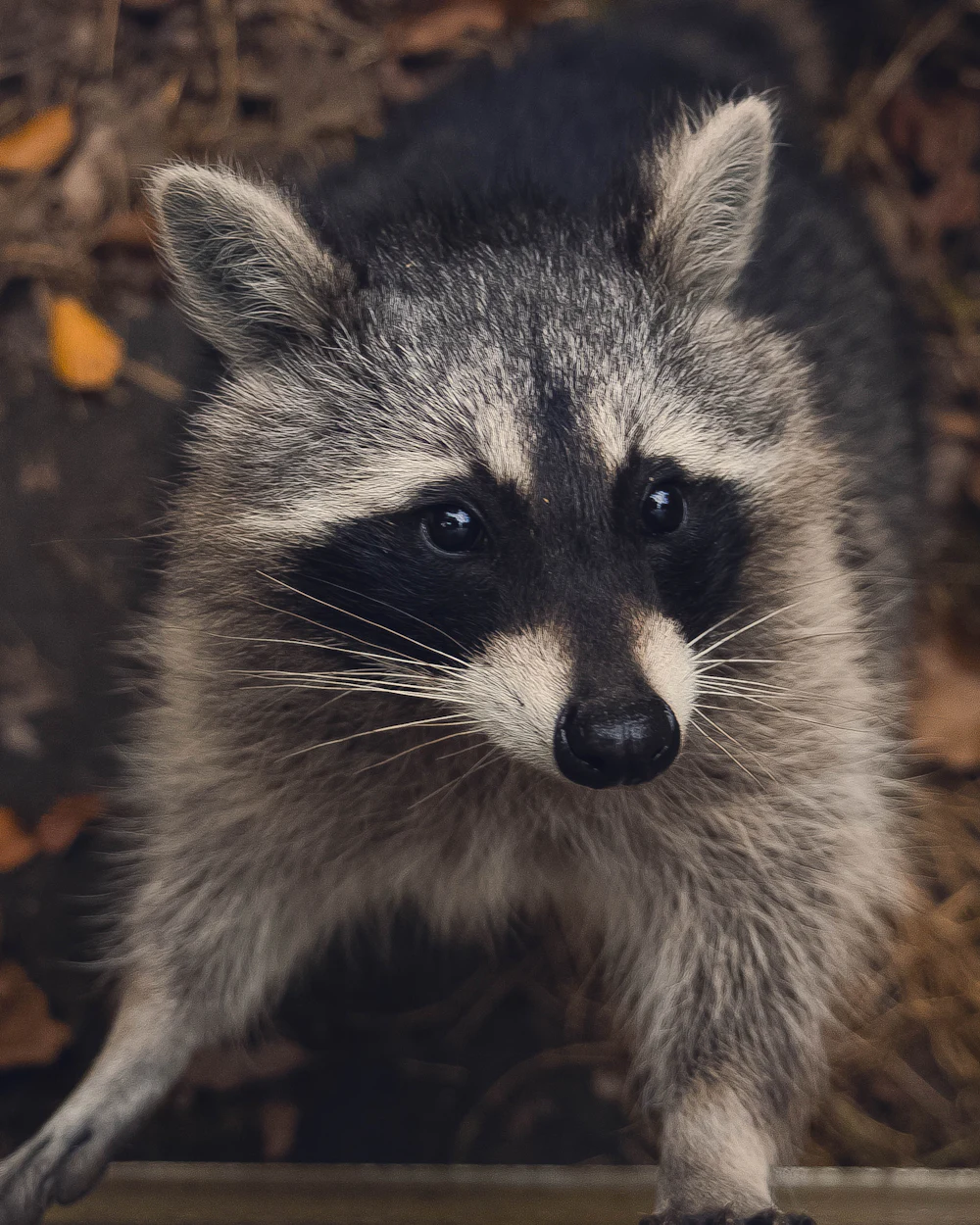
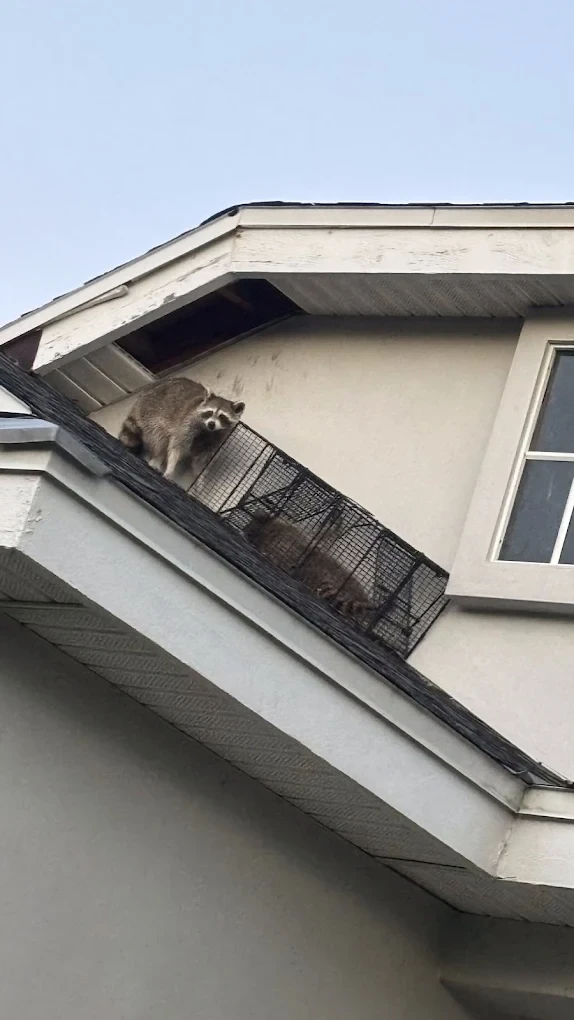
A raccoon on a Treasure Coast rooftop at dusk — humane raccoon removal and attic protection by Swift Wildlife

Humane, family-safe removal.

Mothers & young kept together

5.0
Understanding the Animal

Why Raccoons Frequently Target Residential Properties

Raccoons are among the most intelligent and adaptable animals a Florida homeowner will encounter. They problem-solve, remember locations and manipulate latches and lids with dexterous paws — which is precisely why a quick DIY patch so seldom holds. Where other wildlife wanders off, a raccoon works the problem.

That intelligence is paired with a strong drive for shelter. In the wild a mother raccoon seeks a hollow tree — elevated, dry, dark and safe — and to that instinct, an attic is nearly perfect. As natural den sites grow scarce, the sheltered spaces beneath our roofs become the obvious next choice, especially through the warmer nesting months.

Getting there plays to their strengths. Raccoons are powerful climbers that reach the roof by tree limbs and downspouts, then exploit the roofline’s weak points — soffits, vents, fascia gaps and worn flashing. And because a property that once offered food and shelter is remembered and revisited, the same home is targeted again and again until the access is genuinely closed.

Remarkably intelligent

Raccoons problem-solve, remember and manipulate latches — which is exactly why casual DIY fixes so rarely hold.

Attics feel like dens

Warm, dry, dark and elevated, an attic mimics the hollow-tree den a mother raccoon instinctively seeks.

Roofs are the way in

Strong and agile climbers, raccoons target the roofline first — soffits, vents, fascia gaps and loose flashing.

They return to what works

A property that once offered shelter and food is remembered — and revisited — until the access is truly closed.

The prime den
A Treasure Coast attic — the warm, elevated space a mother raccoon instinctively chooses to den in
How It Unfolds

How a Small Opening Becomes a Major Wildlife Problem

A raccoon intrusion almost never begins as a break-in. It begins with a weakness — and an animal intelligent enough to see the opportunity in it. Here’s how one leads to the other.

STEP 1

A weak point on the roof

It starts small — a lifted shingle, worn flashing or an aging ridge line. To a climbing raccoon scouting at night, it reads as an invitation.

STEP 2

A soffit or fascia gap

Where the roof meets the wall, soffits and fascia boards loosen over time. A few inches of give is all a determined raccoon needs to pry an opening wider.

STEP 3

An unscreened vent

Gable and roof vents offer a ready-made doorway. Raccoons tear through thin screening or plastic louvers to reach the sheltered space beyond.

STEP 4

An open chimney

An uncapped chimney is a vertical den in disguise — dark, protected and warm. It is one of the most common places a mother raccoon chooses to nest.

STEP 5

The attic becomes home

Once inside, the animal settles into insulation, marks the space, and — if it is a female in season — raises a litter. A small opening has become a full-blown intrusion.

Nesting Season Care

Special Care During Nesting Season

Most raccoon intrusions on the Treasure Coast are not a lone animal passing through — they’re a mother choosing a place to raise her young. That single fact changes everything about how a removal should be handled.

Handled poorly, the mother is trapped and taken while helpless pups remain hidden in the attic. Handled correctly, the family stays together and is relocated as one — the humane standard, and the only approach that truly resolves the problem instead of creating a worse one.

This is exactly the situation our neighbors call us for — like the day we safely reunited a mother raccoon and her babies and got them out together.

The maternity den instinct

From late winter through summer, female raccoons search for a safe, elevated den to raise their young — and an undisturbed attic checks every box.

Hidden, flightless young

Baby raccoons stay tucked away and completely dependent for weeks. They are almost always present when noises come from an attic in nesting season, even if you never see them.

Why humane handling matters

Removing the mother while pups remain leaves helpless young behind — a cruel outcome, and one that quickly becomes an odor and contamination problem inside your home.

Family-safe reunification

The right approach keeps mothers and litters together and relocates them as a family — the humane standard, and the reason our removals actually resolve the problem.

Our Method

Removal Is Only Part of the Solution

Getting the raccoon out is the moment everyone waits for — but it’s identifying the entry points and sealing them that makes it last. Here’s the consultation-led workflow that does both.

A resolution built to hold — not a removal that unravels in a month.

Five deliberate steps take you from the first inspection to a home that’s genuinely closed to raccoons. Every stage feeds the next.

Start With a Free Inspection
1

Inspection

A full interior-and-exterior inspection of the attic, roofline and property to confirm raccoon activity and locate every point of interest.

2

Activity Assessment

We read the evidence — droppings, tracks, damage and season — to gauge how established the animal is and whether a den with young is present.

3

Humane Removal

Raccoons are removed humanely and, in nesting season, kept together as a family — never trapped-and-abandoned, never harmed.

4

Entry-Point Identification

We map every opening the animal used or could use next — the vulnerabilities a lasting fix depends on finding.

5

Long-Term Exclusion

Openings are sealed with durable, raccoon-resistant materials so the home stays closed and a repeat intrusion can’t take hold.

Complete Care

A Complete Raccoon Solution, Start to Finish

Remove the animal, seal the home, restore the attic — three services that together turn a recurring intrusion into a resolved one.

01

Raccoon Removal

Common concern

An active raccoon — often a mother with young — living in the attic, roof space or chimney.

Recommended solution

Humane, family-safe removal handled correctly for the season and situation.

Long-term value

The intrusion resolved properly the first time, without leaving young behind.

Humane Wildlife Removal
02

Wildlife Exclusion

Common concern

The roofline gaps, soffits, vents and chimney openings a raccoon used to get in — and would use again.

Recommended solution

Durable, raccoon-resistant sealing of every entry point after removal.

Long-term value

The lasting protection that turns a one-time removal into a permanent fix.

Wildlife Exclusion
03

Attic & Crawlspace Remediation

Common concern

The soiled insulation, droppings and odor a raccoon leaves behind in the attic.

Recommended solution

Cleanup, decontamination and restoration of the affected attic and crawlspace areas.

Long-term value

A clean, healthy attic restored — protecting air quality and property value.

Attic & Crawlspace Remediation
The Raccoon Specialists Locals Call

Real Reviews From Treasure Coast Homeowners

“Absolutely outstanding service! They safely removed raccoons from my property and made sure everything was secure afterward. I’m beyond impressed with their work!”
Y
Yuriana Escalera Stuart
“I was terrified of the raccoons sneaking around my place at night, getting into our garbage. Issac explained everything clearly and handled the problem fast with no stress.”
D
Diamond Fowler Fort Pierce
Mother & babies rescued
“10 Stars. Excellent service! Swift safely rescued Ursula the Raccoon and her babies. Choose Swift… you won’t be disappointed!”
S
Selina Wiggins
Port St. Lucie · Verified Google review

Reviews shown are genuine Google reviews from Swift Wildlife customers. Individual results and situations vary.

Homeowner Prevention Resource Center

Reducing Future Raccoon Activity Around Your Home

The best protection is a home a raccoon can’t get into and a yard it has little reason to visit. These are the habits and checks that quietly keep the roofline closed.

01

Roof maintenance

Raccoons exploit the small weaknesses that come with an aging roof — lifted shingles, worn flashing, loose ridge caps. Keeping the roof sound closes the doorways before a climbing raccoon finds them.

02

Trash management

A secured, latched bin removes one of the strongest reasons a raccoon lingers near your home at night. Consistent, raccoon-resistant garbage storage is one of the simplest deterrents there is.

03

Outdoor food sources

Pet food left out, unpicked fruit, and open compost all read as a reliable buffet. Removing easy calories after dark makes a property far less appealing to a foraging raccoon.

04

Property inspections

A periodic look at the roofline, soffits, vents and chimney — especially after storms — catches new gaps early, while they are still a quick repair rather than an established den.

05

Entry-point monitoring

Watching for fresh damage, tracks, droppings or nighttime noise near the roofline is the earliest warning of activity, long before a raccoon settles in to raise a litter.

06

Long-term prevention

The strongest protection is a property-specific plan — trimming access routes, sealing the vulnerabilities that matter, and knowing what to watch so the attic stays yours.

Licensed & Insured FWC-Compliant Humane Trapping & Relocation 5.0★ · 85 Google Reviews Serving Port St. Lucie & the Treasure Coast
Good to Know

Raccoon Removal Frequently Asked Questions

Straight answers on attic raccoons, baby raccoon situations, humane removal, entry points and long-term prevention.

How do I know if raccoons are living in my attic?

The most common giveaways are heavy nighttime noise — thumping, scratching and vocal chittering overhead — along with droppings, torn or matted insulation, and staining or damage around roofline vents and soffits. Raccoons are large and active, so an attic intrusion is rarely subtle. During nesting season you may also hear the softer, bird-like sounds of young. A thorough inspection confirms whether a raccoon is present and where it’s getting in.

There are baby raccoons in my attic — what should I do?

First, don’t attempt to remove them yourself. Baby raccoons are helpless and the mother is fiercely protective and nearby. Removing the pups without the mother, or the mother without the pups, leaves young to die in your attic — inhumane and a serious odor and contamination problem. Our approach is to handle mother and litter together and relocate them as a family, which is both the humane standard and the reliable way to actually resolve the situation.

Do you remove raccoons humanely?

Always. We use humane, family-safe methods and never resort to harm. In nesting season we take particular care to keep mothers and their young together rather than trapping the adult and abandoning the litter. Humane removal isn’t just the right thing to do — it’s what prevents the recurring problems that come from doing it poorly.

What kind of damage do raccoons cause?

Quite a lot for a single animal. Inside an attic they tear and compact insulation, chew wiring, damage ducting and soil the space with droppings and urine that contaminate materials and lower air quality. Outside, they pry at soffits, fascia and vents to enlarge openings. The longer a raccoon stays — especially a female raising young — the more the damage and cleanup add up, which is why early action protects both your home and your budget.

How do raccoons get onto the roof and into the attic?

Raccoons are powerful, dexterous climbers. They reach the roof by way of overhanging tree limbs, downspouts, trellises and rough exterior walls, then work the roofline for weaknesses — loose flashing, gaps at the soffit and fascia, unscreened gable and roof vents, and uncapped chimneys. Their strength and problem-solving mean a modest gap can quickly be forced into a full entry point.

How do you keep raccoons from coming back?

Sealing is the key. After the animal is removed we identify every opening it used or could use next and close them with durable, raccoon-resistant materials — because raccoons remember a property that once sheltered them and will test it again. Removal without thorough exclusion is the single biggest reason raccoon problems recur, so sealing and prevention are central to what we do.

What is wildlife exclusion, exactly?

Exclusion is the permanent side of the job. Rather than simply removing the raccoon, we reinforce and seal the roofline, soffits, vents and chimney so the home is physically closed to entry. Paired with trimming back easy access routes, it’s what transforms a one-time removal into a lasting result. You can read more on our Wildlife Exclusion page.

How quickly can you come out?

We prioritize active raccoon situations — especially where an animal is inside a living space or young may be involved — and offer prompt scheduling across Martin, St. Lucie and Indian River County. When you call, we’ll talk through what you’re experiencing and get an inspection on the calendar quickly so the problem doesn’t have time to grow.

What happens during a raccoon inspection?

We assess both the interior and the exterior — checking the attic for activity, droppings, damage and signs of a den, and examining the roofline, soffits, vents and chimney for the entry points behind it. We also read the season and evidence to determine whether young are likely present. That complete picture is what lets us build a humane removal and exclusion plan sized precisely to your home.

Do you offer follow-up after the raccoons are gone?

Yes. Beyond removal and exclusion we provide prevention guidance and can re-inspect to confirm the home stays raccoon-free — which matters on Treasure Coast properties near water and tree cover, where pressure is naturally higher. Where an intrusion left contamination behind, we can also clean, decontaminate and restore the affected attic areas. The goal is a lasting result, not just an empty attic today.

Swift Wildlife mascot Act Before the Damage Grows

Stop Raccoon Activity Before Property Damage Gets Worse

A raccoon in the attic only does more damage — and grows harder to resolve — with every night that passes. Choose your next step; there’s no form to fill out.

Free Inspection

Identify raccoon activity, entry points and the exclusion opportunities specific to your home.

Book Free Inspection

Call Us Now

Speak directly with a wildlife specialist about the raccoon concerns around your property.

Call (772) 227-1522
---