
01
Seasonal activity
Opossums are active year-round in Florida but move most in the milder, wetter months, when foraging is easy and sheltered dens are in demand.
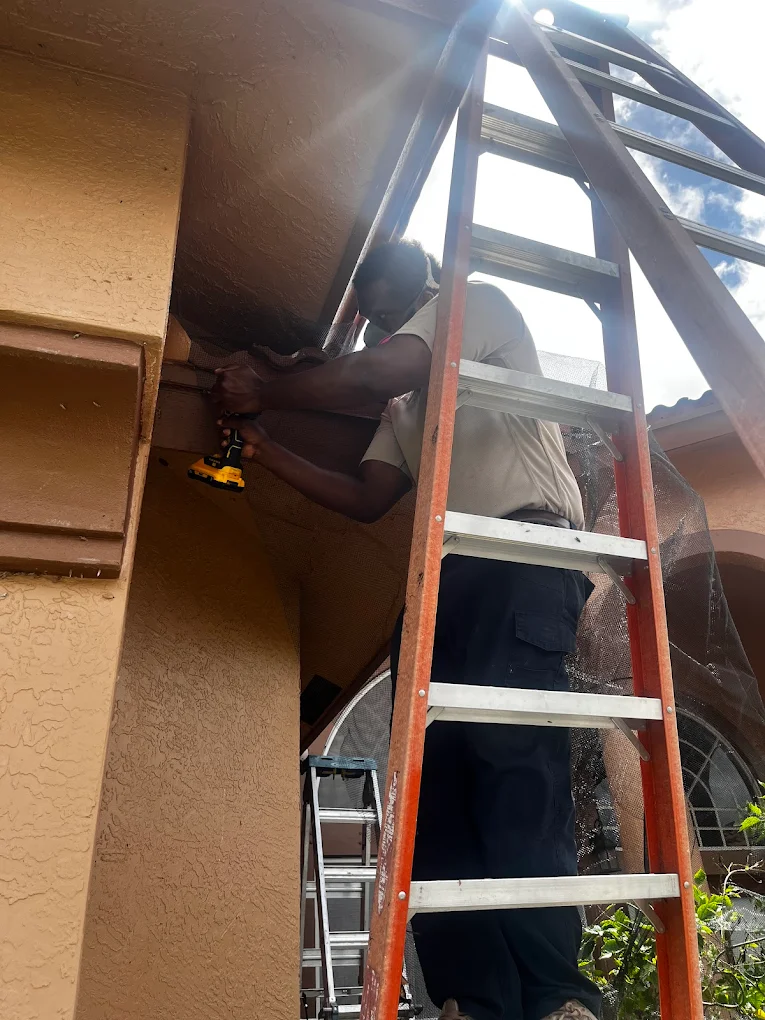
Rustling in the crawlspace, an opossum crossing the deck at night, a den under the shed. It’s unsettling until you understand what’s going on. We remove the opossum calmly and humanely, then seal off the shelter it was using, so it doesn’t just happen again next month.
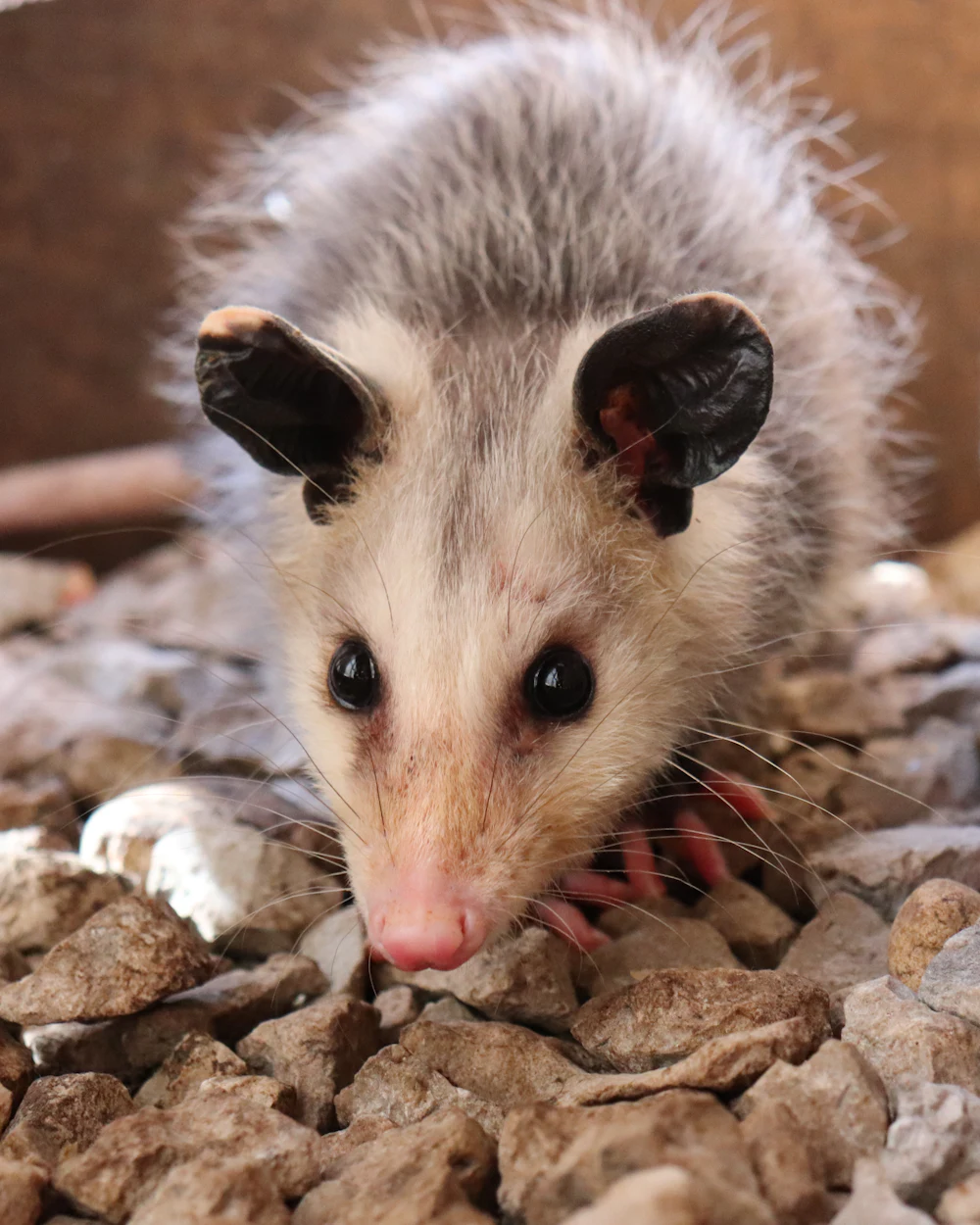
Nature’s pest control — an opossum eats the ticks and roaches you don’t want.
Most opossum “problems” start with a misunderstanding. These slow, shy marsupials aren’t breaking in to cause trouble. They’re after the same three things every animal needs: shelter, safety and an easy meal. Your property happens to offer all three.
A deck, a crawlspace or the hollow under a shed makes a warm, hidden den. Opossums don’t dig or chew their way in; they move into openings a home already has. Pet food, fallen fruit and unsecured trash do the rest, and a passing visitor becomes a nightly one.
The good news: opossums are among the most harmless animals you’ll find in a Florida yard. The reason to call a professional isn’t fear. It’s occupancy — a settled den, a possible litter, droppings in the crawlspace, or activity too close to pets. That’s when humane removal and sealing the shelter earn their keep.
North America’s only marsupial — mothers carry their young in a pouch.
They eat ticks, roaches, snails, rodents and even venomous snakes.
Their low body temperature makes them very unlikely to carry rabies.
Shy, non-aggressive night foragers that rarely stay in one place for long.
A little myth-busting clears up most of the worry. Here’s what people expect, and what’s actually true.
Opossums are aggressive and will attack.
They’re among the most docile animals in the yard. The hissing, drooling and “playing dead” are all bluff, not aggression. Given the chance, they simply leave.
They’ll tear up my home like a raccoon.
Opossums don’t dig or gnaw their way in. They use openings that already exist, so the real concern is occupancy and mess, not structural destruction.
They’re dangerous to my pets.
They avoid confrontation and pose little threat to a healthy pet. It’s still best to keep them apart, as much for the opossum’s sake as your pet’s.
One showed up, so it has moved in for good.
Opossums are transient and often just passing through. But a comfortable, sheltered den under a deck can hold one longer than you’d like.
Any removal will do — I can just relocate it myself.
DIY handling stresses the animal and can run against FWC rules. Humane removal plus sealing the shelter is what actually ends it.
We remove the opossum humanely, close off the shelter it used, and clean up the space. Skip any one of those and the problem tends to return.
An opossum denning under a deck, shed or in a crawlspace — with nighttime noise and droppings.
Calm, humane removal that accounts for young and returns the animal to the wild.
The opossum is gone, the young go with their mother, and your nights are quiet again.
The open gaps and sheltered voids that keep inviting opossums and other wildlife back.
Barriers and sealing around decks, crawlspaces and foundations, built to keep them out.
A property that stops offering an easy place to shelter.
The droppings, nesting debris and mess left behind in a crawlspace or under-structure void.
Cleanup, decontamination and restoration of the affected space.
A clean, sealed crawlspace that’s actually restored, not just emptied.
Opossums borrow shelter rather than build it. These are the five spots they slip into most, and how each one gets closed off.
Dark, dry and undisturbed, a crawlspace is a ready-made den an opossum can slip into through a single gap.
Droppings, disturbed insulation and rustling under the floor at night.
Seal access points and screen crawlspace vents.
The sheltered void beneath a deck offers cover, warmth and quiet — close to food and water.
Flattened soil, a musky smell and nighttime scratching below the boards.
Install a buried barrier around the deck perimeter.
Gaps under sheds and stored clutter create the kind of hidden, protected space opossums favor.
Nesting debris, droppings and disturbed items inside or beneath.
Close the gaps beneath and keep storage off the ground.
The hollow under a porch or set of steps is an easy, weatherproof retreat right by the house.
Activity by the entry after dark and droppings near the steps.
Screen and seal the porch and step voids.
Woodpiles, dense hedges and low landscape features give cover and a staging point near the home.
Well-worn paths through the beds and overturned mulch or debris.
Reduce cover and clear ground-level clutter.
“A team of good people, very professional with the removal of creatures without harming animals. They did an excellent job — highly recommend!”
“Excellent immediate professional response. Outstanding customer service, caring and an intelligent plan that allows for the humane removal of uninvited wildlife.”
“Absolutely outstanding service! Professional, quick and incredibly knowledgeable. They safely removed the problem and made sure everything was secure afterward.”
It comes down to understanding the animal and closing off what attracts it. Here’s how to do that without harming anything.
Opossums are active year-round in Florida but move most in the milder, wetter months, when foraging is easy and sheltered dens are in demand.
They don’t build their own dens; they borrow. Crawlspaces, deck voids and abandoned burrows are all fair game. Closing access matters more than anything else.
Opossums rarely provoke a fight, but a curious dog can still stress or injure one. Keeping pets in at night and food secured avoids nearly every encounter.
Secure the pet food and trash, clear ground clutter, and thin out dense cover. Small changes, but they do a lot of work.
Buried barriers, sealed voids and screened vents around decks, sheds and crawlspaces are what turn a one-time removal into lasting protection.
A little coexistence goes a long way. Opossums do more good than harm. The goal is just to keep them out of the spaces where they cause problems.
Calm, honest answers — from humane removal and crawlspaces to pets, prevention and Florida wildlife rules.
Yes, humane handling is central to what we do. Opossums are gentle, beneficial animals. We remove them calmly and without harm, account for any young, and return them to the wild. Then we seal the shelter they were using so the situation doesn’t repeat.
We confirm the activity and check for young, remove the opossum humanely, and then address how it got in. Because opossums use existing openings rather than digging their own, sealing and screening the crawlspace access is what keeps the space protected. If there’s a mess left behind, we can clean and remediate it too.
Under-deck dens are one of our most common opossum calls. We remove the animal gently, never trapping it inside, then install a buried barrier around the deck perimeter so the void underneath is no longer reachable. Skip that exclusion step and you’re usually just holding the space for the next visitor.
Very rarely. Opossums are non-aggressive and would much rather bluff or flee than fight, and their low body temperature makes them highly unlikely to carry rabies. It’s still wise to keep pets away from any wild animal, but as backyard wildlife goes, opossums are among the most harmless.
Sometimes. Opossums are nomadic and often move along on their own. But a comfortable den under a deck or in a crawlspace can hold one for a while, and a litter will keep it there longer. If the activity keeps up, a free inspection tells you whether it’s a passing visitor or a settled den.
Prevention is about removing the invitation and the access. We seal and screen the voids under decks, sheds, porches and crawlspaces, and advise on food, trash and yard cover that attract wildlife. Pairing removal with that exclusion is what makes the result last.
Yes. Opossums can leave droppings and nesting debris in a crawlspace or under-structure void. We can clean, decontaminate and restore the affected area as part of the job. You end up with a healthy space, not just an empty one.
We answer the phone live and schedule inspections promptly. A settled den or a situation involving pets goes to the front of the line. Call and we’ll get you on the schedule and tell you what to do in the meantime to keep everyone safe, the opossum included.
Yes. Wildlife handling in Florida is governed by FWC regulations, and humane treatment is both the right approach and the required one. We’re licensed and insured and work within those rules, which is one more reason DIY relocation isn’t as simple or as legal as it looks. A professional keeps the process humane and compliant.
Often, yes, because the opossum itself is rarely the whole story. The open void it denned in will keep attracting wildlife until it’s sealed, and DIY handling can stress the animal or run afoul of the rules. Removal plus exclusion settles it properly, and it stays settled.

We’ll figure out what’s living there, remove it humanely, and seal the property so it stays resolved. Call us or book a free inspection. There’s no form to fill out.
Open 24 hours · 7 days a week · 24/7 emergency line
Dedicated local pages for every community we serve — same humane methods, licensed & insured, same-day response.