
Wildlife Removal in Indian River Shores — Private Estate Care
Between the Atlantic dune and the Indian River Lagoon, Indian River Shores is a quiet enclave of gated, heavily-landscaped estates — and that hammock, mangrove and mature canopy is precisely what brings wildlife to the roofline. We protect these homes the way they’re meant to be cared for: discreetly, thoroughly, and with a written plan for the long term.
- Private, discreet service
- By-appointment inspections
- Written protection plan

Dune & hammock side
Mangrove & seawall
John’s Island · The Estuary
Pool pavilions · guest houses
A barrier-island enclave, and the wildlife it invites
Indian River Shores sits on a narrow barrier island north of Vero Beach, with the ocean on one side and the lagoon on the other. What makes it beautiful — the oceanfront hammock, the lagoon mangrove, the estate-scale landscaping — is exactly what gives wildlife continuous cover to the door of a home. Protecting an estate here begins with understanding that setting.
Before any recommendation, we read the property and its surroundings. These are the four conditions that shape wildlife pressure on an Indian River Shores estate.
A barrier-island setting
A slender island between the Atlantic and the lagoon concentrates wildlife into the same narrow strip of land the estates occupy, with water and habitat on every side.
Hammock & mangrove cover
Oceanfront hammock and lagoon mangrove press right up to the properties, giving raccoons, snakes and iguanas continuous, sheltered routes toward the homes.
Estate-scale landscaping
Mature canopy, dense tropical beds and privacy screening are part of the architecture here — and a ready-made staircase and harborage for wildlife against the house.
Water on both sides
Seawalls, docks and the dune line put basking iguanas, foraging raccoons and snakes at the property edge on both the ocean and the lagoon.
Every observation above is specific to this island, and each shapes a different protection plan. We advise on the estate you actually own — the home, the grounds and the water line.
What wildlife actually puts at risk on an estate
On a high-value property the cost of wildlife is rarely the animal — it’s what the animal reaches. A denning raccoon or a burrowing iguana touches the parts of an estate that are the most expensive to restore and the hardest to replace in kind. This is where we focus.
Roofline & attic integrity
Tile, soffit, fascia and insulation are costly to restore in kind — and an attic den quietly compromises all of them at once.
Architectural detailing
Copper, custom soffits, screened pavilions and specialty finishes are the details wildlife damages first and craftsmen replace slowest.
Landscape & grounds
Mature specimen plantings, seawalls and pond banks — the grounds themselves — are undermined by burrowing and stripped by feeding.
Resale & disclosure
An undocumented infestation or unrepaired damage becomes a line on an inspection report — and a conversation at closing.
Protecting the property’s value means protecting these first — not simply trapping the animal that happened to be seen.
An honest read on where an estate is exposed
A larger home has more surface, more detail and more grounds — and more ways in. This is the vulnerability read we bring to an Indian River Shores estate, ordered by how urgently each area tends to need attention.
-
Barrel-tile & shingle rooflines
PriorityLong runs of tile and shingle, with valleys, dormers and vents, give agile wildlife dozens of quiet entry points overhead.
-
Chimneys & architectural voids
PriorityUncapped chimneys, decorative voids and soffit returns are classic raccoon and bat entries on an estate of this scale.
-
Screened lanais & pool pavilions
ElevatedScreen enclosures trap wildlife against the house and give raccoons a sheltered route toward the roof; torn base tracks invite more.
-
Seawall, dock & shoreline
ElevatedIguana and armadillo burrows honeycomb seawalls and pond banks, undermining the most expensive edge of a waterfront lot.
-
Mature landscaping & canopy
ElevatedOverhanging limbs and dense foundation beds are the cover and the climb that deliver wildlife from the grounds to the structure.
-
Guest houses & outbuildings
MonitorDetached guest quarters, cabanas and storage are inspected and sealed too often only after the main house — leaving a way back in.
Levels reflect how these areas typically present on estates here. A private inspection refines the read to your specific home and grounds.
The entry points we look for first
On an estate the way in is rarely obvious from the ground. These are the discreet points we examine on every Indian River Shores inspection — the ones a homeowner, and most companies, walk past.
Roof valleys & tile fields
Lifted tiles, open valleys and ridge gaps across long roof runs — the most common overhead entry on an estate.
Soffit returns & fascia
Aging or custom soffit detailing and fascia joints that separate just enough for a raccoon or rat to work open.
Chimney & flue openings
Uncapped chimneys and decorative flues that read as open den shafts to denning wildlife.
Screen enclosure base tracks
Torn or gapped base tracks on lanais and pool pavilions where wildlife slips beneath the screen.
Seawall & foundation edges
Burrow openings along seawalls, pond banks and foundation lines where the ground meets the structure.
Utility & AC penetrations
Gaps around conduit, plumbing and AC line-sets — small, hidden, and a favorite of rodents and snakes.
Anything we find is photographed and explained on the spot. A private inspection is complimentary, and you keep the findings whether you engage us or not.
Arrange a private inspectionA considered set of protection services
Eight focused services, each carried out to the standard an estate deserves — humane, discreet, and finished with sealed exclusion and a written guarantee. Every one links to an Indian River Shores–specific page.
Bee & Wasp Removal
Humane bee & wasp removal
Dead Animal Removal
Humane dead animal removal
Animal Cleanup & Sanitization
Humane animal cleanup & sanitization
Attic & Crawlspace Remediation
Humane attic & crawlspace remediation
Emergency Wildlife Removal
Humane emergency wildlife removal
Reading the grounds as habitat
The landscaping that gives an estate its privacy and beauty also gives wildlife food, cover and a route to the roof. A candid analysis of the grounds is where lasting protection begins — because much of the pressure can be managed in the planting itself.
Oak & live-oak canopy
Raccoons · roof ratsOverhanging canopy is a direct bridge to the roof; limbs within reach of the eaves are the single most common climb-in.
Tropical ornamental beds
Rodents · snakes · opossumsDense foundation plantings hold moisture and cover, harboring rodents and the snakes that follow them against the walls.
Water features & ponds
Iguanas · snakesOrnamental ponds and fountains draw iguanas to bask and burrow the banks, and snakes to hunt the frogs and rodents they attract.
Hedgerows & privacy screening
Armadillos · opossumsContinuous hedges and screening create hidden ground corridors that let wildlife move across the grounds unseen after dark.
How wildlife moves along the water
With the ocean on one side and the lagoon on the other, an Indian River Shores estate lives between two wildlife corridors. Each water feature moves a different set of animals toward the property — and knowing which is half of holding the line.
The lagoon shoreline & mangrove
The mangrove edge is permanent cover and food, moving raccoons and snakes along the bank and onto lagoon-side grounds nightly.
The ocean dune line
Raccoons forage the dune, especially through sea-turtle nesting season, then work back to estate attics to den.
Seawalls & docks
Hard shoreline edges are prime basking and burrowing habitat, undermining the seawall and dock structure over time.
Ornamental ponds & canals
Interior water features act as satellite corridors, drawing iguanas and snakes deep into the grounds away from the main shoreline.
Movement shifts with the seasons — denning in late winter and spring, iguana basking through the warm months, snakes following the rodents the wet season stirs up.
Protecting the architecture, not just the house
On an estate, how the work is done matters as much as that it’s done. Our exclusion is engineered to hold wildlife out permanently while preserving the roofline, the detailing and the look of the home — sealing that reads as part of the architecture, not a patch over it.
-
Preserve the roofline in kind
We seal tile, soffit and fascia entries with concealed galvanized steel that holds permanently without disturbing the roof’s appearance.
-
Protect tile & copper detailing
Specialty roofing and copper are worked around, not through — the detailing that defines the home is left intact and unmarked.
-
Seal without altering aesthetics
Exclusion is fitted to the architecture and finished discreetly, so the protection is invisible from the ground and the street.
-
Screen structures discreetly
Lanais, pavilions and vents are screened with fine, low-profile mesh that keeps wildlife out without cheapening the enclosure.
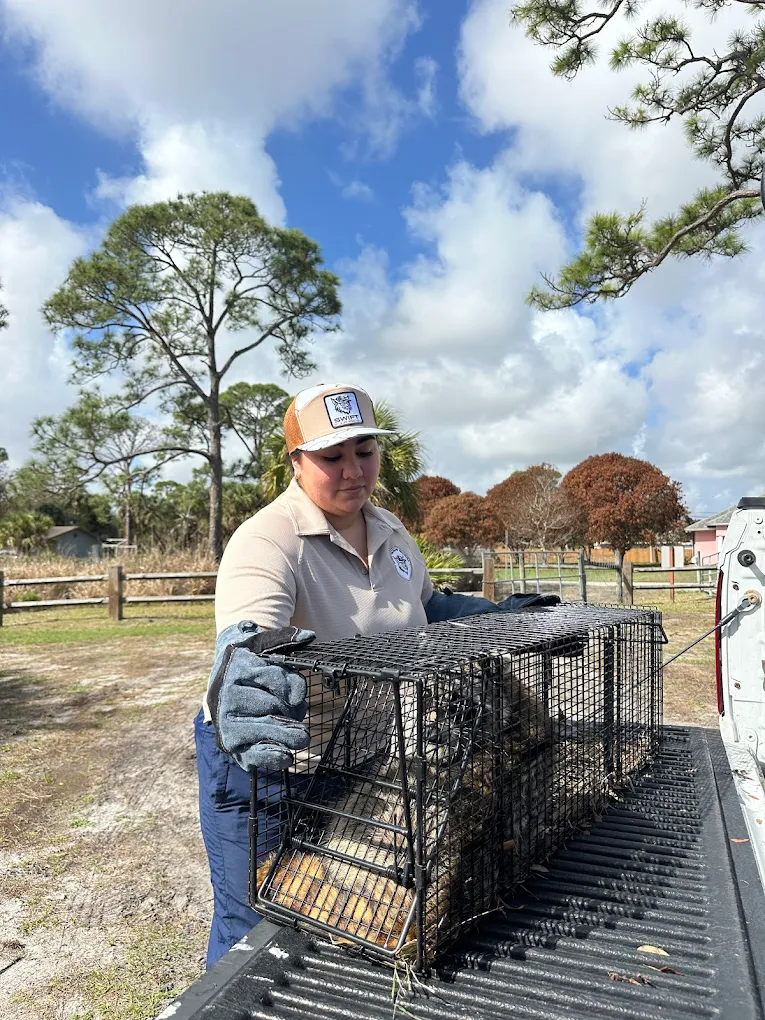
A protection plan, not a single visit
Wildlife protection on an estate is an ongoing relationship, not a one-time call. We lay out a clear, staged plan — assess, remove, exclude, then monitor — so the property stays protected season after season, not just until the next animal finds the same gap.
- 01
Assessment & survey
Assessment & survey
A private, complimentary walk of the home and grounds — roofline, structures, shoreline and landscaping — documented with photos and a written protection plan.
- 02
Humane removal
Humane removal
We remove what’s present the right way — mothers reunited with young, protected bats and native snakes handled by law — and never seal an animal inside.
- 03
Estate exclusion
Estate exclusion
Concealed galvanized-steel exclusion across the roofline, structures and shoreline edge — engineered to preserve the architecture and hold for the long term.
- 04
Monitoring & care
Monitoring & care
Optional seasonal monitoring keeps the estate ahead of denning, basking and nesting cycles — with a real person a call away, 24/7.
Guaranteed in writing — Every exclusion we install is backed by our written re-entry guarantee.
Why estate owners choose Swift
When a property is this considered, the last thing you want is a trap-and-go pest company tramping through it. Estate owners choose Swift because we work the way the home deserves — quietly, thoroughly, and accountable for the whole result.
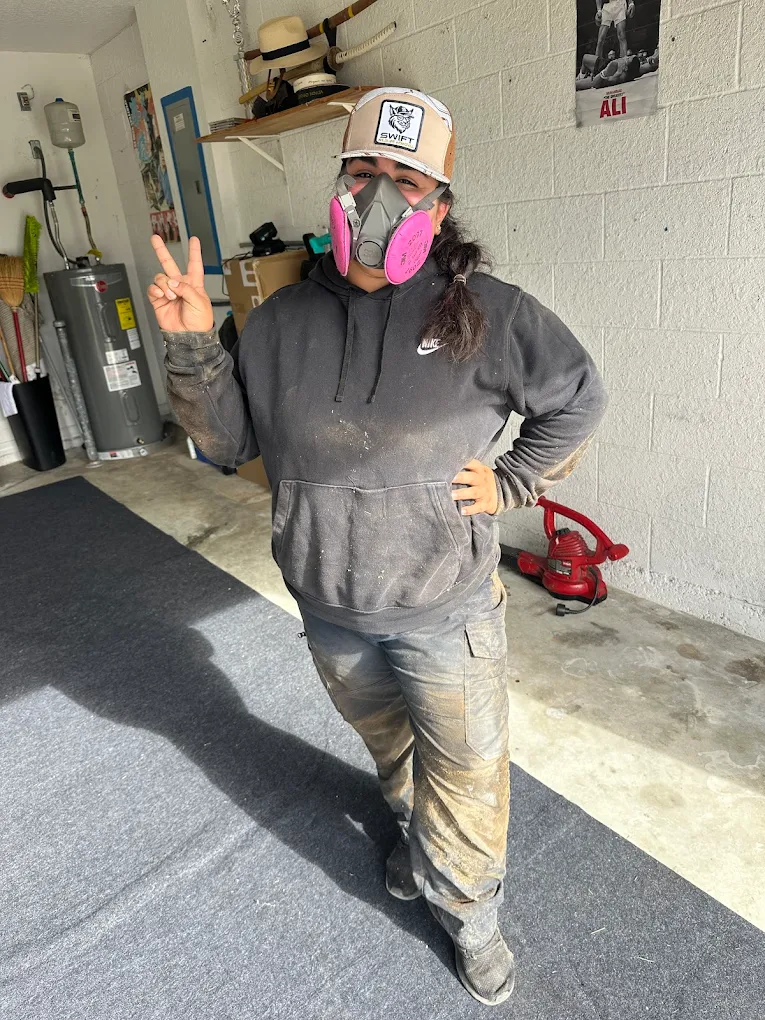
“We protect an estate the way its owner does — with care for the details, patience for the long term, and discretion throughout.”
Discreet & respectful
Uniformed, background-checked technicians who treat your home, your grounds and your privacy the way you do — no mess, no spectacle.
Humane by method, not slogan
Mothers and young stay together, protected bats and native snakes are handled by law, and we exclude rather than poison across your grounds.
Genuine island expertise
We know this barrier island’s hammock, mangrove and estate rooflines — and how wildlife actually moves between the ocean and the lagoon.
One accountable team
The advisor who surveys your estate oversees the removal, the exclusion and the guarantee — one relationship, start to finish, no subcontractors.
What Indian River Shores & barrier-island
estate owners say.
⭐️⭐️⭐️⭐️⭐️ 10 Stars. Excellent service! Swift safely rescued Ursula the Raccoon and her babies. Choose Swift… you won't be disappointed!
"If you need wildlife removed the right way, call Issac! I was terrified of the raccoons sneaking around my place at night, getting into our garbage every night. Until we met Issac and his wife! They are professional, on time, and get straight to the point. Issac explained everything clearly and handled the problem fast with no stress."
"Absolutely outstanding service! The team was professional, quick, and incredibly knowledgeable. They safely removed raccoons from my property and made sure everything was secure afterward. I'm beyond impressed with their work!"
"Swift Wildlife Removal is a team of good people, very professional with removal of creatures without harming animals. They helped with raccoons in a rental property and did an excellent job! Highly recommend!"
Indian River Shores estate wildlife protection — FAQ.
Quick answers — or call us 24/7 for anything else.
Is your service discreet enough for a gated estate? +
How is this different from a standard wildlife-removal call? +
Will exclusion work change the look of my roofline or home? +
The landscaping is part of the estate’s value — can wildlife be managed without harming it? +
Do you serve John’s Island, The Estuary and the other gated communities? +
Serving the Indian River Shores barrier island
Private, same-day estate wildlife protection across Indian River Shores — the oceanfront and lagoon-side homes and the gated communities of John’s Island, The Estuary and Seaside.
Arrange a private estate inspection.
A complimentary, by-appointment survey of your Indian River Shores estate — the roofline, the structures, the grounds and the shoreline — with a written protection plan to remove what’s present and seal it out discreetly, for the long term. A real person answers, 24/7.
- Private, by-appointment estate survey
- A documented, photographed findings report
- A written protection plan before any work
- Concealed exclusion, guaranteed in writing