


24/7 Emergency Wildlife Removal
Swift Wildlife Removal
Martin County · Palm City, FL

Wildlife Removal in Palm City — Neighborhoods & Golf Communities

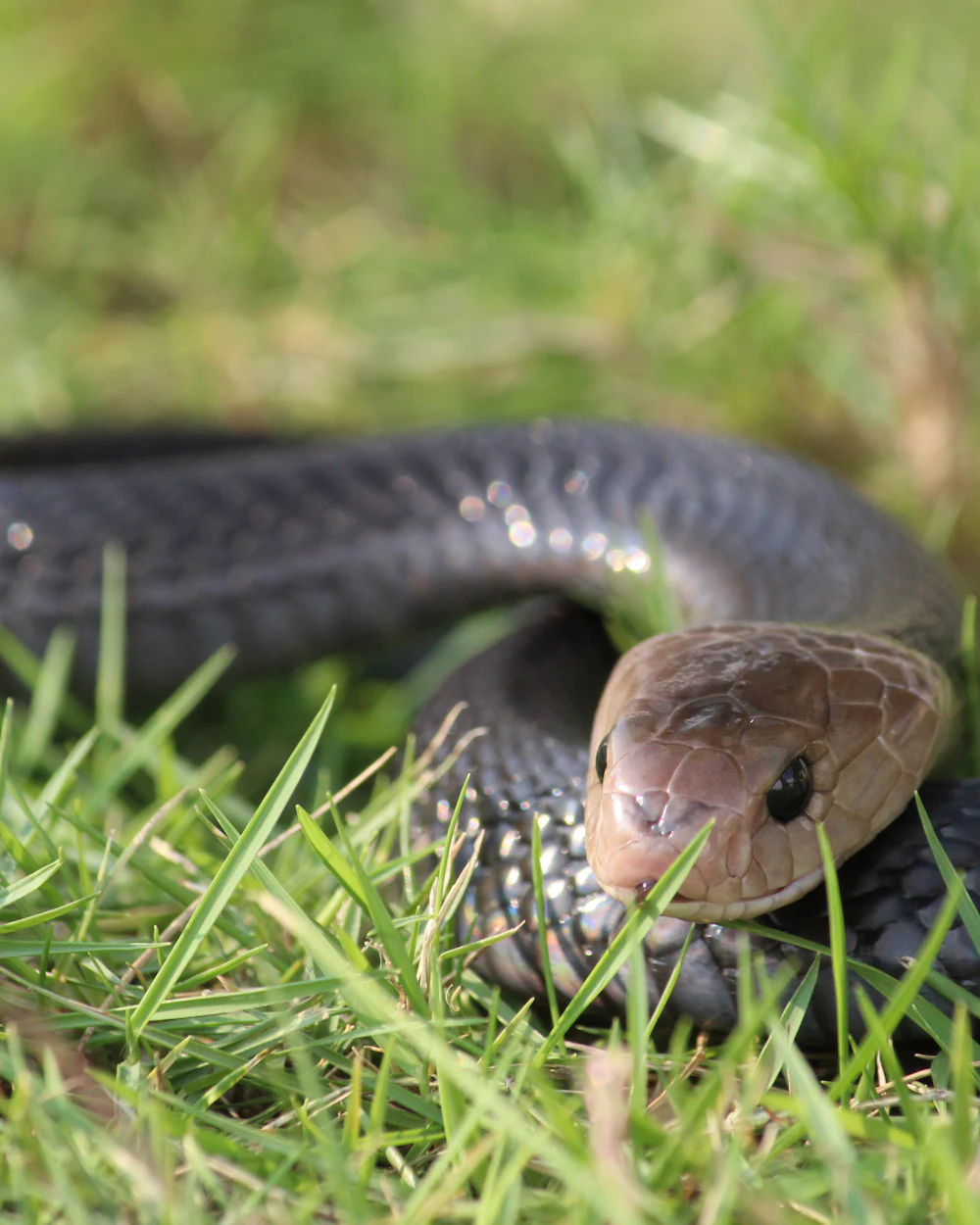
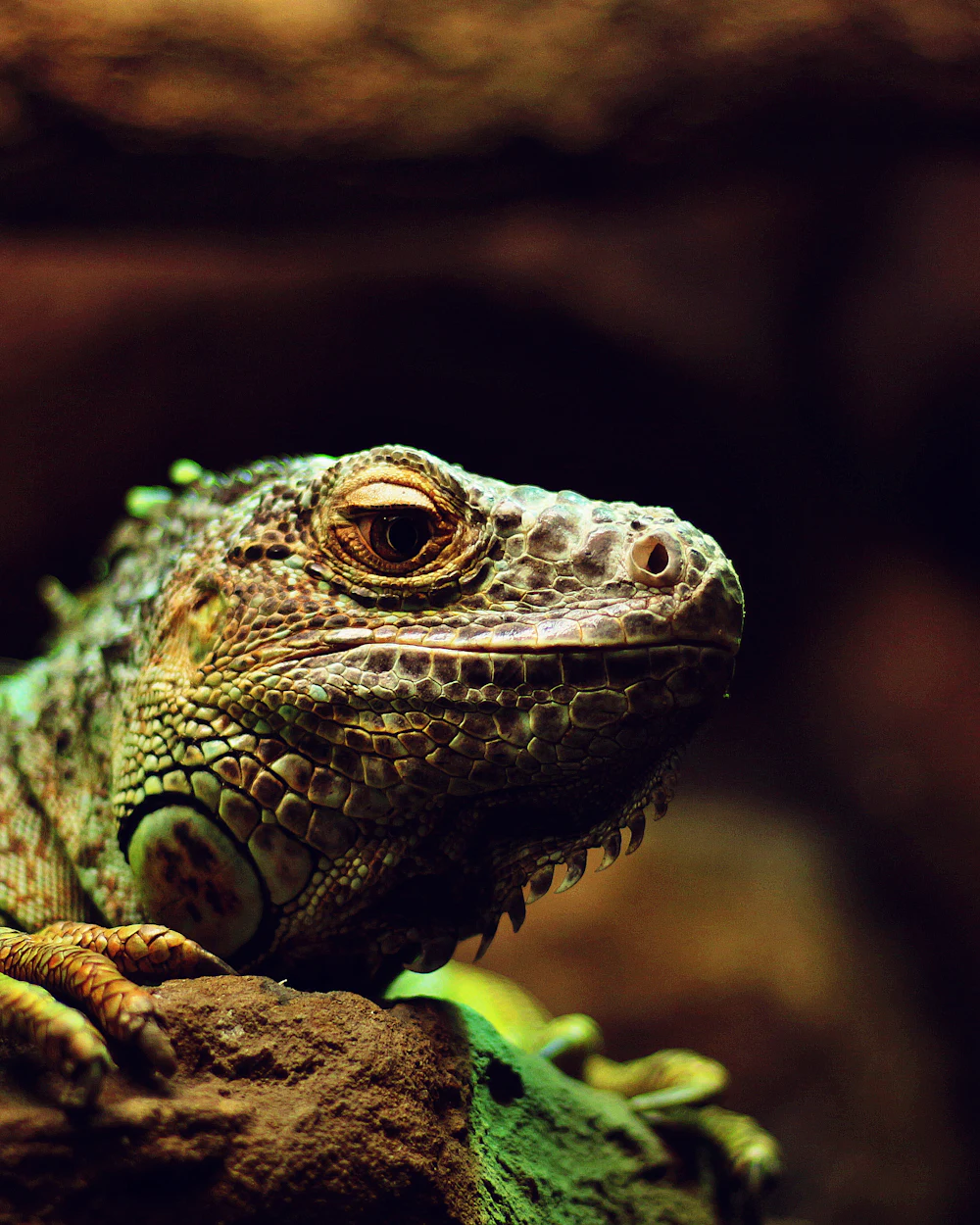
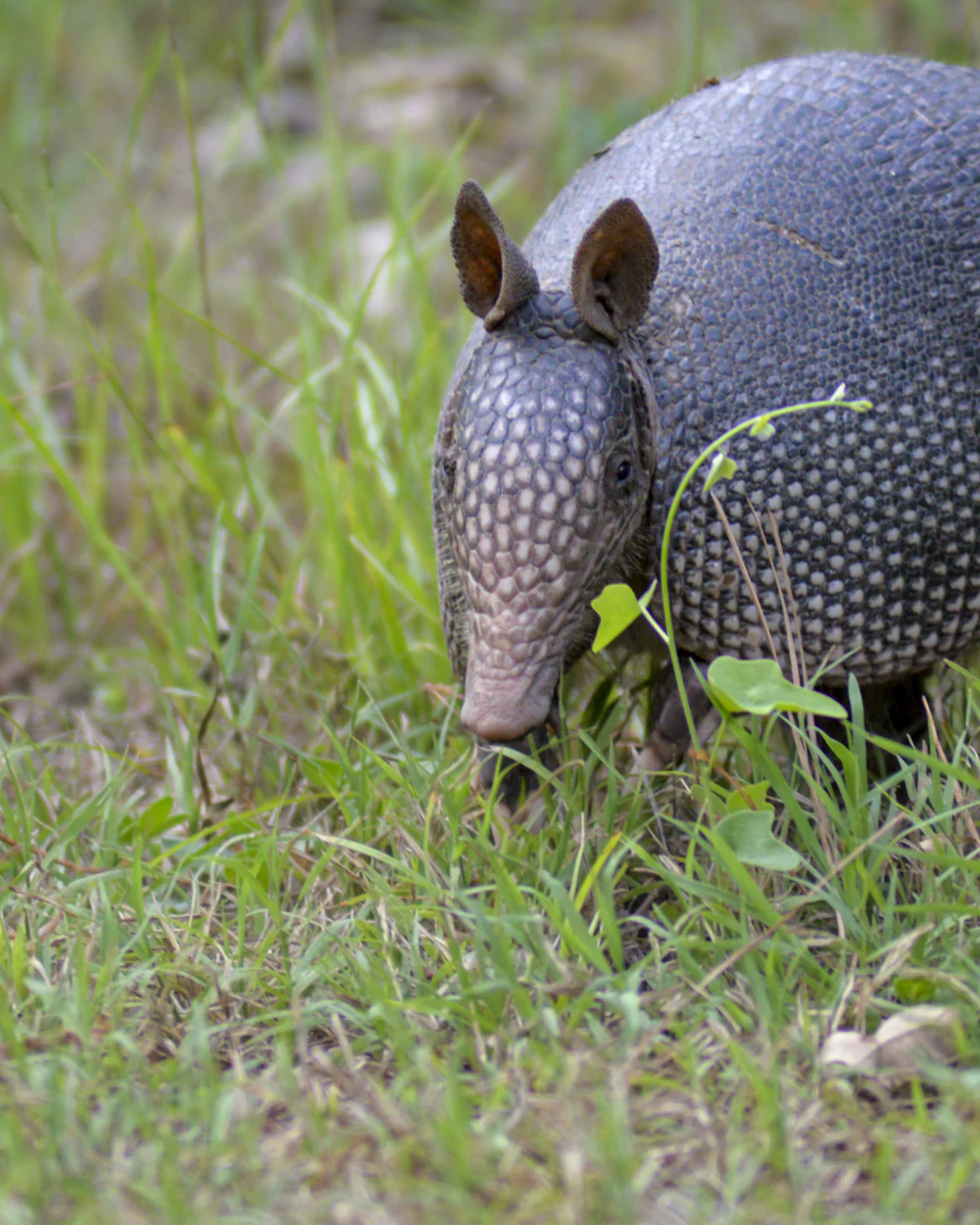
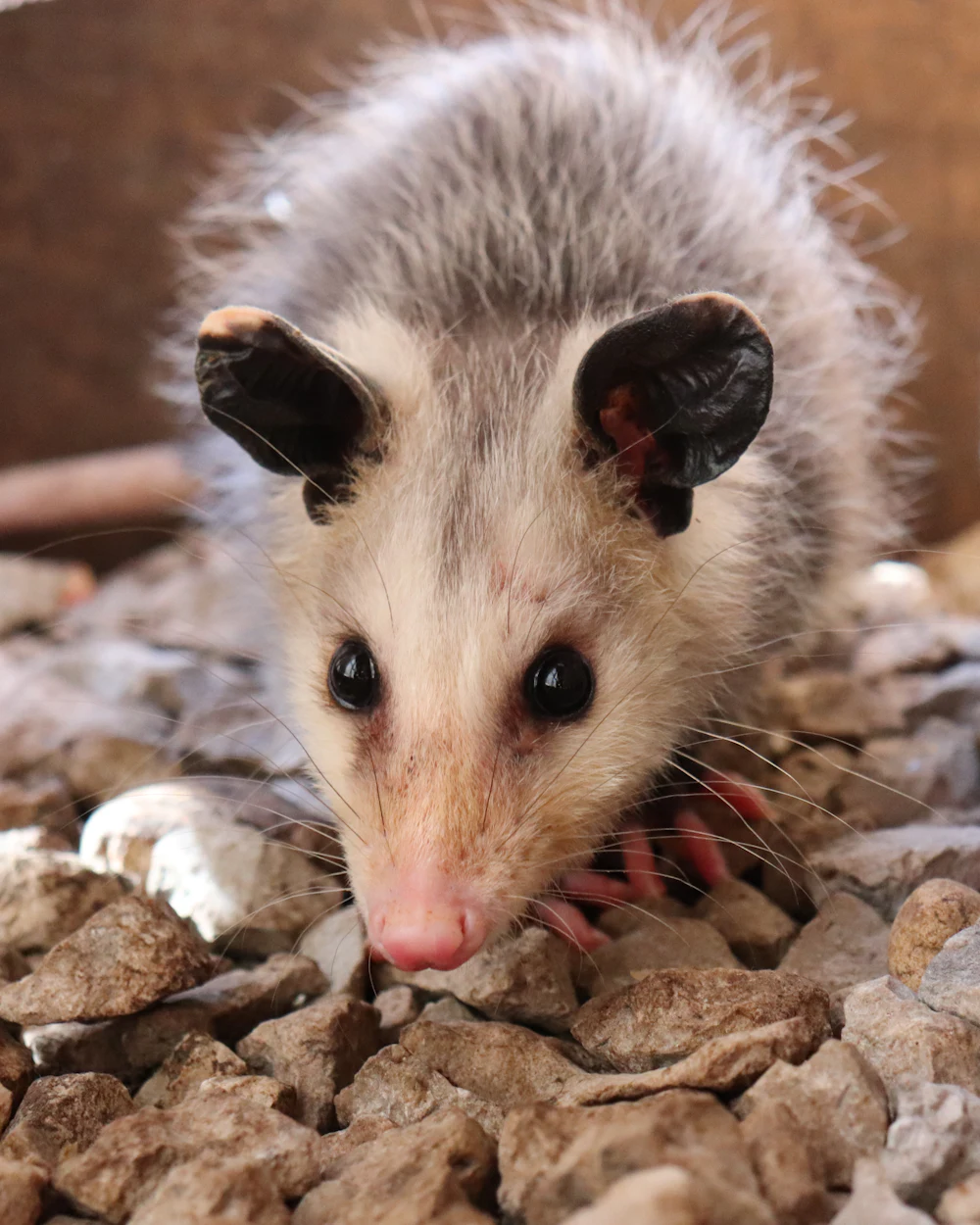
Palm City runs from gated golf communities and seawalled lakes to the canal-front neighborhoods and rural acreage of Palm City Farms — and wildlife moves freely across all of it. We protect the family home at the center of it: sealing the roof, lanai, foundation and seawall against the raccoons, iguanas, rodents and armadillos this landscape sends your way.

(772) 227-1522 Fast local response Humane & licensed Golf-community & canal experts Written guarantee
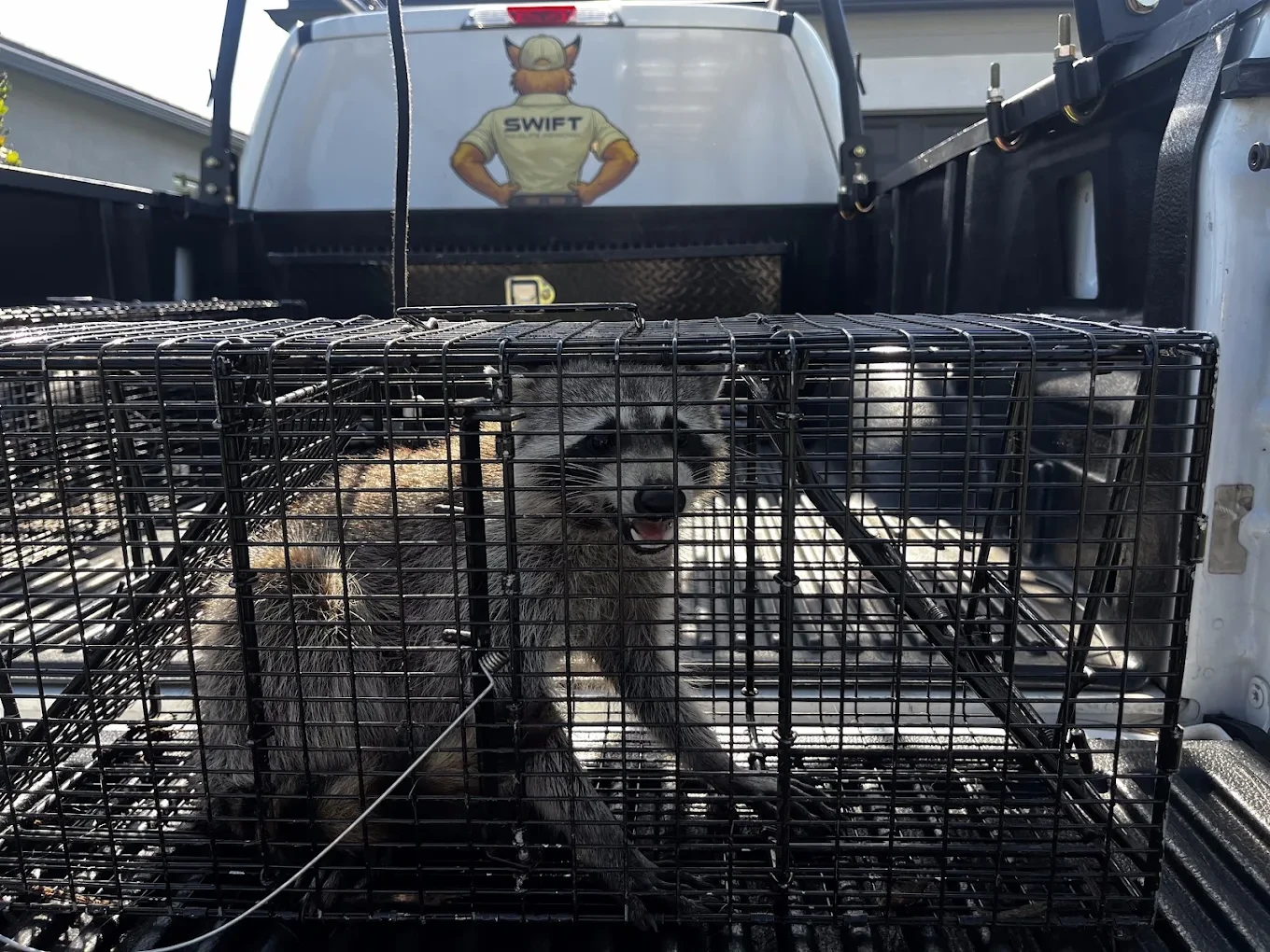
Swift Wildlife branded service truck serving the Treasure Coast neighborhoods
Serving Palm City, FL ★★★★★
Licensed & insured
FWC-compliant
Same-day service
5-star rated
Community Overview

Wildlife pressure across a community of two halves

Palm City is unusual: polished, irrigated golf communities with seawalled lakes sit right beside the wild acreage of Palm City Farms, all threaded by freshwater canals and the South Fork of the St. Lucie. That mix gives wildlife food, water and cover in every direction — and puts your home in the traffic between them. Understanding that movement is how we get ahead of it.

Water everywhere

Seawalled community lakes, a canal network and the South Fork keep the whole area moist and prey-rich — basking ledges for iguanas, hunting ground for snakes, and soft banks to burrow into.

A wild western edge

Palm City Farms brings woodland, groves and outbuildings against the neighborhoods, funneling raccoons, armadillos, snakes and rodents in from the rural side after dark.

Homes in the middle

Tile roofs, screened lanais, ornamental palms and irrigated lawns give that incoming wildlife exactly what it needs — so a gated address is no barrier to a determined animal.

Property Risk Zones

Neighborhood wildlife risk zones

On a Palm City home, wildlife concentrates on the same handful of weak points — whether you back a golf lake or a rural fence line. This is where our inspection focuses, and how exposed each zone typically runs.

High exposure

Roof systems

Tile roofs, valleys and ridge lines are the highway raccoons and roof rats travel after climbing ornamental palms or crossing from a limb.

High exposure

Attics

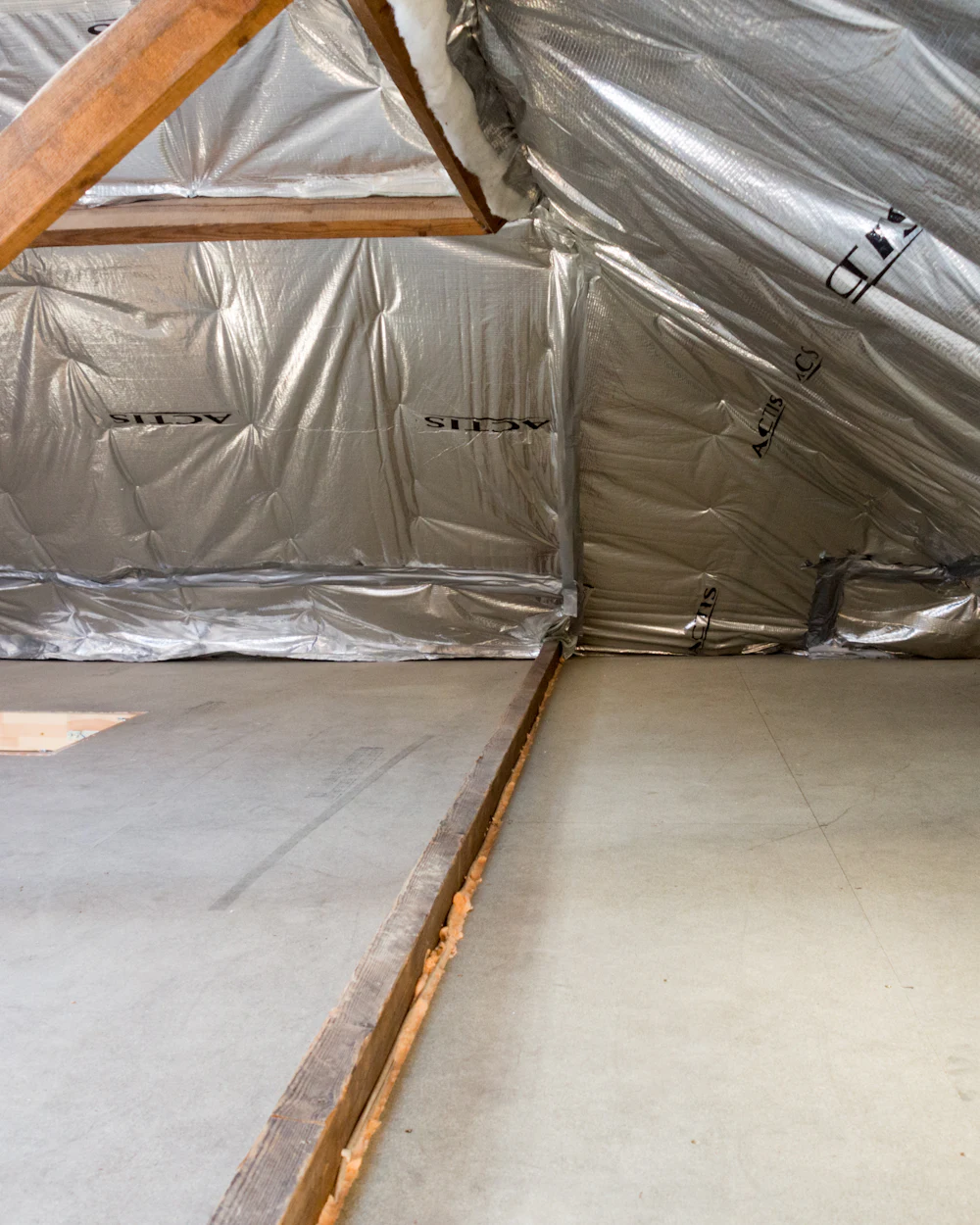
The warm, quiet attic is the destination — denning raccoons, nesting roof rats and roosting bats all end up here once a roofline gap lets them in.

High exposure

Landscaping & seawall

Irrigated ornamental beds, fruiting plants and seawalled lake banks draw iguanas to bask and burrow and armadillos to root for grubs.

Elevated exposure

Lanais & crawlspaces

Screened lanais, pool cages and the sheltered space beneath decks are prime shelter for snakes, opossums and raccoons working toward the roof.

Elevated exposure

Garages

Gaps under and around garage doors are a standard entry for rodents and opossums looking for stored feed, pet food and dry shelter.

Moderate exposure

Utility penetrations

The gaps where AC line-sets, plumbing and low-voltage wiring pass through the wall are dime-sized doors even on newer construction.

Golf-Course Communities

Wildlife around golf-course communities

A golf community is beautiful for the same reasons it draws wildlife: open green space, water features and mature tree lines create a continuous corridor that animals follow right up to the back of your home. Here is how that path works — and where we break it.

Swift Wildlife team working a Treasure Coast golf-community property The path from the fairway to your back door
  1. STEP 1

    Open green space

    Fairways, roughs and common areas are open foraging ground for armadillos, iguanas and raccoons, with no fences to stop them moving lot to lot at night.

  2. STEP 2

    Water features

    Seawalled lakes, ponds and canals give iguanas basking ledges and burrow banks, snakes their frog and rodent prey, and every animal a drink within steps.

  3. STEP 3

    Tree-lined edges

    Landscaped canopy and ornamental palms are the climbing routes roof rats and raccoons use to reach tile roofs and cross onto the structure.

  4. STEP 4

    The route to your home

    Where the green space, water and canopy meet your lot, wildlife has a sheltered path to the lanai, seawall and roofline — the point we target first.

Resource Center

Home protection resource center

The best-protected Palm City homes belong to owners who know what to watch for. Start here — the signs, the prevention basics, what a real inspection covers, and how these animals actually behave around a home.

01
Warning Signs

What to watch and listen for

Scratching overhead at night, cone-shaped holes in the lawn, bent lanai screens, seawall burrows, droppings in the garage — the early tells that turn a small fix into a big one if missed.

02
Prevention

Small steps that keep wildlife out

Trim palms and canopy off the roof, screen vents and lanai gaps in steel, secure garage thresholds and trash, and clear fruit and dense cover from the foundation and seawall.

03
Inspection

What a real inspection covers

Every zone — roofline, attic, lanai, garage, foundation, utility penetrations and the seawall — not just the room where you heard the noise. Missing one zone simply moves the problem.

04
Wildlife Behavior

Why they choose your property

Water, food and shelter. The canals, lakes, irrigated landscaping and rural edge supply all three, and animals return to a proven den night after night until the entry is sealed.

Wildlife Solutions

Featured wildlife solutions

Every Palm City wildlife problem gets its own dedicated local page — how the animal behaves here, the damage it does, and exactly how we remove and seal it out. Start with whole-home exclusion, or jump to a specific animal.

Yard Protection

Landscape & yard protection guide

On a Palm City lot, the damage often starts outside — in the lawn, the beds and the seawall — long before anything reaches the house. Protecting the yard is the first line of defense for the whole property.

Stop the burrowers

Iguanas tunnel into seawalls and lake banks; armadillos root the lawn for grubs. We fill and screen burrows and trench hardware-cloth barriers so they can’t re-dig.

Protect the lawn

Grub-rich, irrigated turf is what draws armadillos to crater a manicured lawn overnight. Grub control removes the food, and removal plus a barrier stops the digging.

Guard irrigation & lighting

Rooting and burrowing sever sprinkler lines and low-voltage landscape wiring in the beds — a recurring repair until the animal is removed and the beds are protected.

Preserve the landscaping

Iguanas graze ornamentals to stubs and foul docks and decks. Swapping favored plants for iguana-resistant landscaping removes the draw near the water.

Swift Wildlife protecting a landscaped Palm City yard and seawall Protecting the whole property — from the seawall to the roofline
Seasonal Calendar

Palm City seasonal wildlife calendar

Wildlife pressure shifts through the year here. Knowing what’s coming each season lets a Palm City homeowner get ahead of the problem instead of reacting to it.

Spring

Mar – May
Raccoon kits Iguana nesting Bats return

Denning peaks: raccoon litters move into attics and lanai structures, and iguanas dig nesting burrows into seawalls and lake banks. Bats return ahead of the maternity-season exclusion ban.

Summer

Jun – Aug
Armadillos Iguanas Roof rats

Rains soften the ground and float grubs up, so armadillo lawn damage surges. Iguanas bask heavily on the seawalls, roof rats breed in the landscaping, and snakes follow prey through the beds.

Fall

Sep – Nov
Rodents Raccoons Snakes

Cooling nights push dispersing young and rural-edge rodents toward warm attics and garages, and storm season opens new roofline entry points on tile roofs.

Winter

Dec – Feb
Roof rats Raccoons Cold-stun iguanas

Rodents and raccoons press into warm attics and garages, and a hard cold snap can cold-stun iguanas off the seawalls onto lawns and cart paths before the population rebounds.

Success Stories

Community success stories

Representative situations from across Palm City — the challenge a homeowner faced, what we did, and how it held. Names and exact addresses stay private; the pattern is what matters.

Attic raccoon

A denning raccoon in a gated-community home

The challenge

A family in a newer gated community heard thumping and spring chirping over a bedroom — a raccoon had bent a lanai screen and worked up to a soffit return to den with kits.

What we did

We hand-removed the kits and reunited them with the mother in a release box, cleared the latrine, and sealed the soffit and lanai gaps in steel.

The result

No further activity, a decontaminated attic, and a sealed roofline — backed by our written re-entry guarantee.

Rodent exclusion

Roof rats crossing from the ornamental palms

The challenge

A homeowner near a community lake had recurring attic scratching and gnawed irrigation wiring; roof rats were climbing ornamental palms onto the tile roof.

What we did

We trapped out the colony, trimmed the palm routes off the roof, and sealed the roofline and vent gaps with steel — poison-free.

The result

The attic stayed quiet through the season, and the sealed entries kept the neighborhood’s rats from moving back in.

Seawall iguana

A crumbling seawall on a golf-community lake

The challenge

A canal-side homeowner noticed loose soil and a cracking cap along the lake seawall, with large iguanas basking each morning and burrowing into the bank.

What we did

We removed the baskers, filled and screened every burrow, and added guards at the favored basking ledges to break the routine.

The result

The undermining stopped before the wall failed, and an iguana-resistant planting swap kept the seawall from drawing them back.

Why Swift

Why Palm City families choose Swift

Protecting a family home is different from chasing one animal. It takes local knowledge of these communities, humane methods you can trust around children and pets, and a fix that actually lasts.

  • Fast local response

    A real person answers 24/7, same-day service is standard across Palm City, and urgent situations are typically under an hour.

  • Humane methods

    Mothers and young stay together, native snakes and protected bats are handled by law, and we exclude and seal rather than poison — safe around family.

  • Long-term protection

    We seal entries in steel and hardware cloth and back the work in writing, so the problem is solved for good — not moved next door.

  • Real Palm City experience

    We know these gated communities, tile roofs, lanais, seawalls and the Palm City Farms edge — where wildlife actually gets in here.

Family-safe, humane, and guaranteed in writing — the wildlife team Palm City neighbors trust.

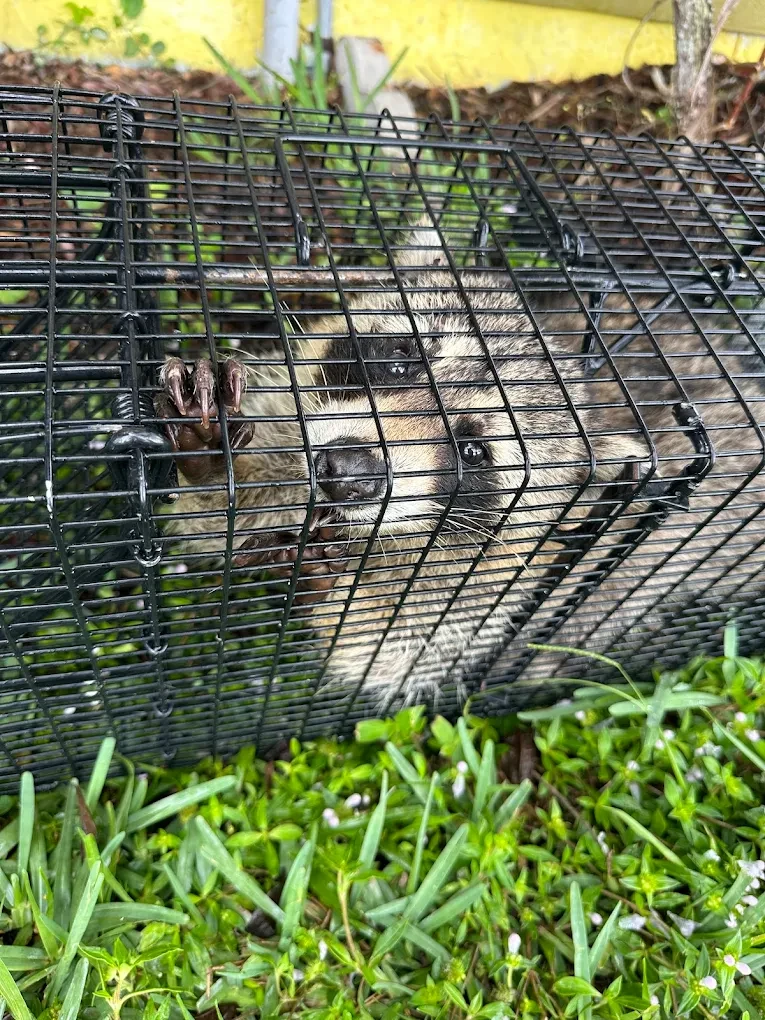
Swift Wildlife mascot with a safely caged raccoon, serving the Treasure Coast
Your local Treasure Coast wildlife team
Reviews

What Palm City & Treasure Coast families say.

5 ★★★★★
Based on 85+ verified Google reviews
Read all reviews on Google →
★★★★★

"⭐️⭐️⭐️⭐️⭐️ 10 Stars. Excellent service! Swift safely rescued Ursula the Raccoon and her babies. Choose Swift… you won't be disappointed!"

S
Selina Wiggins
Port St. Lucie, FL · Google
★★★★★

"If you need wildlife removed the right way, call Issac! I was terrified of the raccoons sneaking around my place at night, getting into our garbage every night. Until we met Issac and his wife! They are professional, on time, and get straight to the point. Issac explained everything clearly and handled the problem fast with no stress."

D
Diamond Fowler
Fort Pierce, FL · Google
★★★★★

"Absolutely outstanding service! The team was professional, quick, and incredibly knowledgeable. They safely removed raccoons from my property and made sure everything was secure afterward. I'm beyond impressed with their work!"

Y
Yuriana Escalera
Stuart, FL · Google
★★★★★

"Swift Wildlife Removal is a team of good people, very professional with removal of creatures without harming animals. They helped with raccoons in a rental property and did an excellent job! Highly recommend!"

N
Norma Ramirez
Port St. Lucie, FL · Google
★★★★★

"Swift Wildlife Removal is the company to call if you have a rat infestation. After calling several places, they were the only ones who could come the same day. They came within the expected time and took care of the problem."

D
Denise Rodriguez
Port St. Lucie, FL · Google
★★★★★

"Listen… I don't scare easy, but when I tell you I saw a critter and immediately started questioning my entire life and safety… I mean it. In full panic mode, I called Swift Wildlife Pro, fully expecting to be put on hold while I fought for my life. But nope, they showed up SO fast it was like they teleported. 10/10 recommend."

A
Amber Bristol
Port St. Lucie, FL · Google
FAQ

Palm City wildlife removal — FAQ.

Quick answers — or call us 24/7 for anything else.

Do you serve all of Palm City? +
Yes. Swift Wildlife covers all of Palm City — from Martins Crossing, Copperleaf and Highlands Reserve to Harbour Ridge, Canopy Creek and the rural acreage of Palm City Farms — with same-day local service and a free inspection. A real person answers, live, 24/7.
My home is in a newer gated community — why do I have wildlife? +
Newer construction is tighter but not sealed against wildlife by default. Ornamental palms cross to tile roofs, and builders routinely leave gaps around AC line-sets, plumbing, garage doors and lanai frames. Raccoons, rats and iguanas move in off the canals and Palm City Farms and test those openings — so a gated address is no barrier. We find the entry, remove the animal, and seal it.
Why are iguanas and armadillos such a problem here? +
Palm City’s seawalled lakes, canals and irrigated landscaping are close to ideal habitat. Iguanas get basking ledges and soft banks to burrow into along every seawall; armadillos get moist, grub-rich turf to root. Both cause real property damage — undermined seawalls, cratered lawns — so early removal and burrow sealing matter.
Does the rural Palm City Farms edge bring wildlife into the neighborhoods? +
It does. Woodland, groves and outbuildings on the Farms side hold raccoons, armadillos, snakes and rodents that drift east into the gated communities, especially as it cools. Homes along that edge benefit from extra attention to the fence-line approach — trimmed cover and sealed gaps — so the rural population doesn’t treat your neighborhood as winter shelter.
Do you use poison? +
No. Poison leaves animals to die in walls and attics and never seals the entry, so the next one moves right in. We trap or exclude, remove the animal, then close the gaps in steel and hardware cloth — a fix that holds and is safe around children and pets.
How much does it cost? +
The inspection is free. Because every home and situation is different — the animal, the number of entry points, any cleanup or seawall work — we quote in writing after the on-site inspection, before any work begins. No surprises.
How fast can you get here? +
Same-day service is standard across Palm City, and for an urgent situation — an animal in living space, a snake by the lanai — our response is typically under an hour. A real person answers any hour of the day or night.
Service Area

Serving all of Palm City

Same-day, local wildlife protection across the community — from the gated golf neighborhoods and seawalled lakes to the canal-front homes and the rural acreage of Palm City Farms.

Martins Crossing & Copperleaf Highlands Reserve & Canopy Creek Harbour Ridge Palm City Farms South Fork St. Lucie River
Free Evaluation

Protect your Palm City home.

A free, on-site evaluation of your whole property — roofline, attic, lanai, garage, foundation and seawall — with a written plan to remove what’s there and seal it out for good. A real person answers, 24/7.

  • Free, same-day on-site property evaluation
  • Every zone assessed — roof, lanai, garage, seawall
  • Written estimate & exclusion plan
  • Humane removal, backed by a written guarantee
Call us · 24/7
(772) 227-1522
24/7 Emergency Line

Get Your Free Inspection

Same-day response · We answer live

Tap to call · 24/7 (772) 227-1522
or send a request
Where Is The Animal?

🔒 Your info is private. No spam, ever.