
24/7 Emergency Wildlife Removal
Swift Wildlife Removal
Indian River County · Riverfront Habitat Wildlife Defense
Roseland · Roof rats & mice from the hammock — sealed out

Rodent Control in Roseland, FL

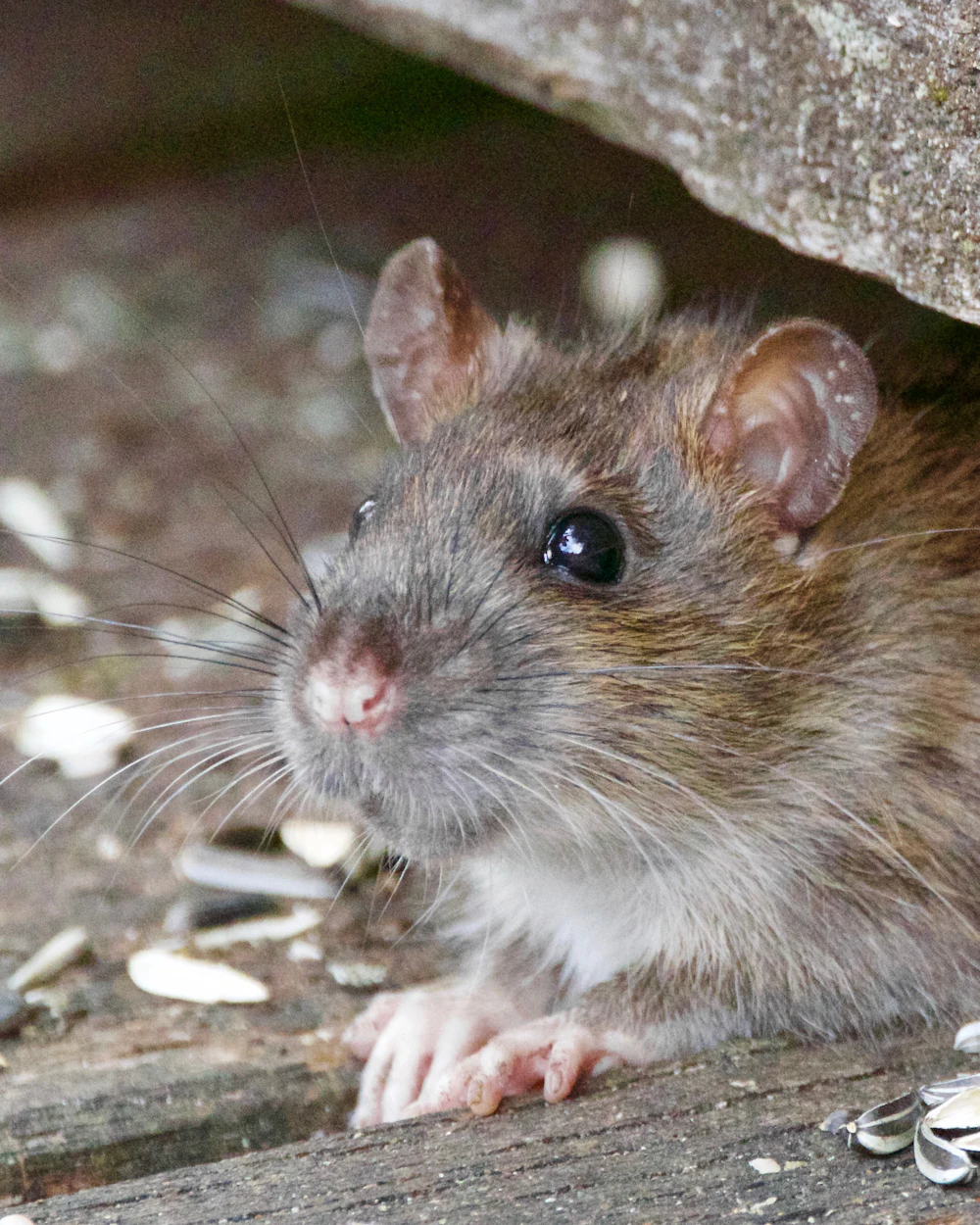
Roof-rat and mouse control built for Roseland’s wooded riverside lots — we find the runways from the hammock and palm canopy, remove the colony from the attic and outbuildings, and seal the home so they can’t cycle back from the cover.
  • Habitat-edge specialists
  • Humane & licensed
  • Written guarantee
Rodent Control — humane wildlife service on the Treasure Coast
Licensed · Insured · Local
5.0★
Google rating
24/7
Live answer
Same-day
Response
Free
Assessment
2 Roseland Habitat Context

Rodent Control in Roseland’s river habitat

Roseland is a quiet riverside community near Sebastian, shaded by oak and cabbage-palm hammock along the St. Sebastian River. That wooded, waterfront character brings rodents close to homes, with cover running from the hammock right up to the house. Our rodent control fits these riverfront lots, sealing homes against roof rats and mice.
Palm-canopy runways Attic & wall voids Woodpiles & debris Sheds & outbuildings
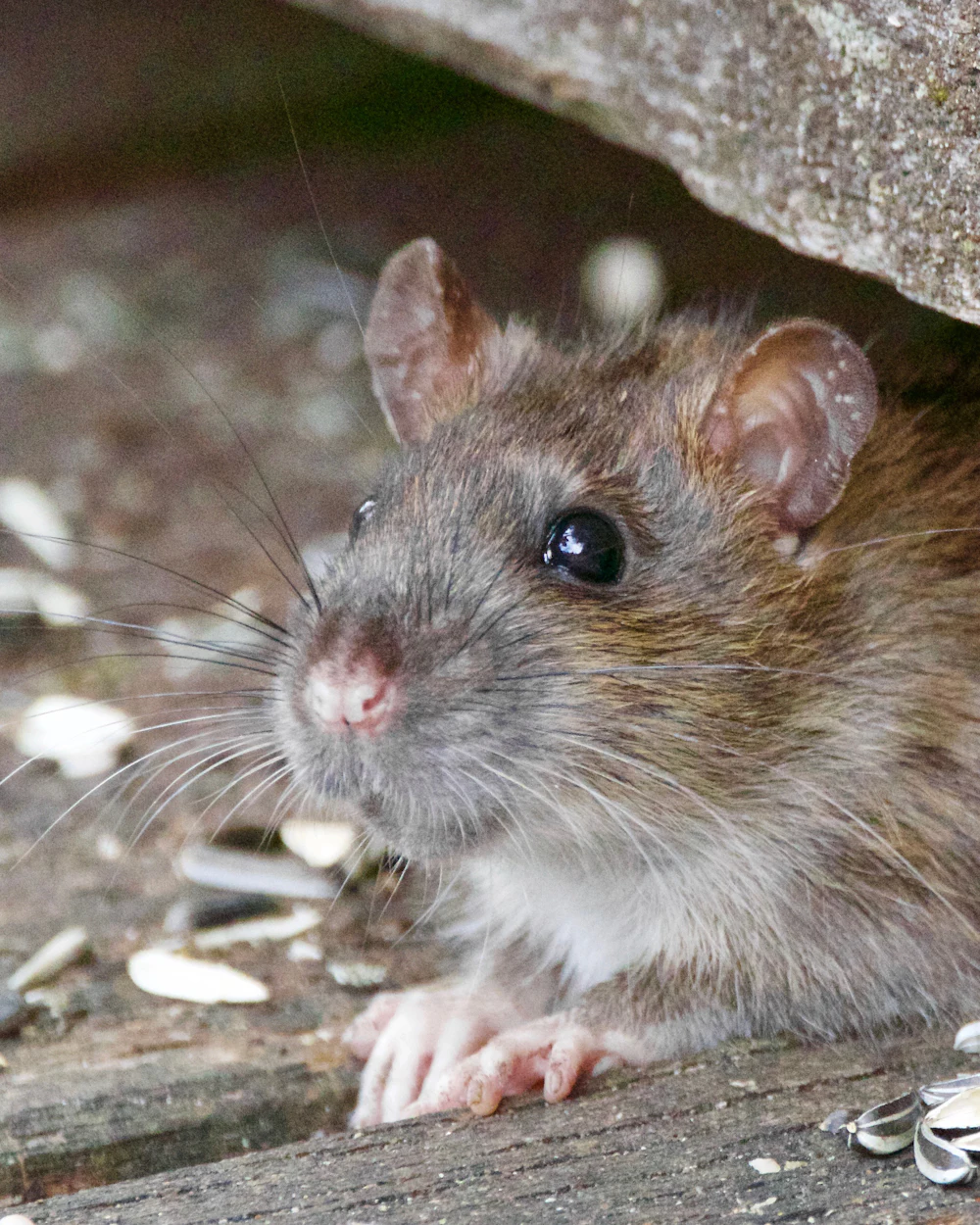
Roof rat, the dominant rodent on Roseland’s wooded riverside lots
3 Wildlife Behavior Profile

How rodents behave around a Roseland home

Roseland’s oak and cabbage-palm hammock is prime rodent habitat, and it runs right up to the homes. Older riverfront and woodland houses on generous lots sit in dense cover, and the St. Sebastian River and lagoon keep the setting humid and productive. Rats and mice have shelter, food and climbing routes from the hammock to the roof line.

Roof rats travel the oaks and cabbage palms and cross to roofs at the fascia and eaves, nesting in attics and palm crowns near the river. House mice work the shaded hammock floor and the ground-level gaps of older riverfront homes, entering at worn seals, weep holes and foundation openings.

Behavior traits
  • Arboreal — Roof rats travel the oak and cabbage-palm canopy and enter aging attics from above.
  • No off-season — Florida’s warm winters let the colony breed year-round in the riverside hammock.
  • Cover traveler — Moves under palm debris, woodpiles and dense litter between the habitat and the house.
  • Prey base — A rodent colony is the food source that draws snakes in from the hammock.
4 Signs of Activity

Signs of rodent activity to watch for

On a Roseland riverside lot these are the first signs to watch for — around the roofline, the landscaping and the water’s edge.

Sign 01

Rustling in palm crowns

Daytime rustling and dropped debris in a cabbage-palm crown near the river often means a roof-rat nest staged close to the house.

Sign 02

Scratching in the attic

Night noise overhead in an older riverfront home points to roof rats that used the hammock canopy to reach the roof and nest inside.

Sign 03

Droppings along the foundation

Pellets around the foundation, garage or crawl space of a woodland lot reveal mice moving in from the surrounding hammock cover.

5 Risks to Structures & Property

What rodents risk on a riverside property

Left unaddressed, rodents reach the parts of a riverside home that are costliest to restore. Here’s what’s at stake.

  1. 1

    Gnawed wiring & fire risk

    Rats and mice gnaw wiring in the attic and wall voids — an expensive repair and a genuine fire hazard in an older riverfront home.

  2. 2

    Contamination in the air

    Droppings and urine dried in insulation ride the air handler into living spaces — a documented health concern.

  3. 3

    They draw snakes in

    A sustained rodent problem is the single most common reason snakes turn up against a Roseland home.
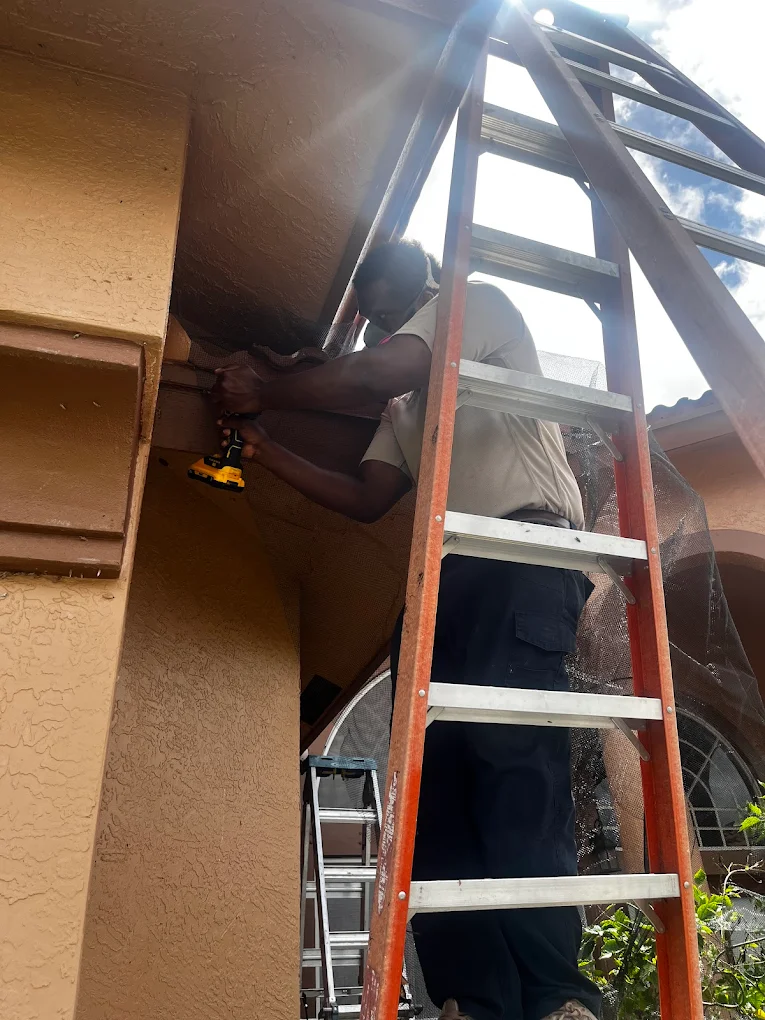
Swift Wildlife sealing a Treasure Coast riverside home against rodents
6 Seasonal Activity Patterns

Rodent activity through the year

Rodent activity in Roseland runs high in the warm months near the river, when the hammock is at its most productive and roof rats work the fruiting palms and oaks. The mild waterfront climate keeps the population active year-round, and cool nights turn the hammock rodents toward the warmth of the older riverfront homes.

Fall–winter

The cool-season push: rats and mice move from the hammock and outbuildings toward warm structures.

Spring

Breeding accelerates in the canopy and sheds as the season warms.

Summer

Colonies work the woodpiles, palm debris and outbuildings across the wooded lot.

7 Removal & Resolution Process

Our humane rodent control process in Roseland

A clear, humane sequence — read the habitat, remove, seal and guarantee — documented from first call to follow-up.

1

Full-structure inspection

We map runways, droppings and every entry point — including roofline, vents, pipe penetrations and the garage.

2

Poison-free removal

Strategic snap and live trapping clears the active population fast, with no bait dying inside your walls.

3

Exclusion seal

Steel wool, hardware cloth and sealant close every gap a rodent could exploit — down to a dime.

4

Decontaminate

We remove droppings and soiled insulation, then sanitize and deodorize the affected space.

8 Prevention & Exclusion

Prevention & exclusion planning

Removing the rodent is half the work. These measures keep the next one out of your Roseland home — worked with the habitat, not against it.

Our guarantee

every exclusion we install is backed by our written re-entry guarantee.

  • Skirt cabbage palms and trim oak limbs back from roofs to break the rat route.
  • Seal fascia, vent and foundation gaps on older riverfront homes with steel.
  • Screen weep holes and crawl-space openings to shut out ground-level house mice.
  • Clear hammock debris and dense ground cover back from the home’s foundation.
9 Related Services

Related wildlife services in Roseland

A habitat-edge home rarely faces just one species — these pair most often with this service.

Reviews

What Indian River County
residents say.

5
★★★★★
on Google
Based on 85+ verified reviews
Read all reviews on Google →
"

Swift Wildlife Removal is the company to call if you have a rat infestation. After calling several places, they were the only ones who could come the same day. They came within the expected time and took care of the problem.

D
Denise Rodriguez
Port St. Lucie, FL
★★★★★

"Emergency situation - had mice running in my house and they came late at night to deal with it. A day later and problem is solved. Super fast, picked up first time, and late night is pretty awesome these days."

Adam Robinson · Port St. Lucie
★★★★★

"Helped me a ton with rodents."

Dustin · Stuart
★★★★★

"⭐️⭐️⭐️⭐️⭐️ 10 Stars. Excellent service! Swift safely rescued Ursula the Raccoon and her babies. Choose Swift… you won't be disappointed!"

Selina Wiggins · Port St. Lucie
FAQ

Rodent Control in Roseland — FAQ.

Quick answers — or call us 24/7 for anything else.

How much does rodent control cost in Roseland? +
The wildlife assessment is free. Rodent Control is quoted after that habitat-edge survey — the price reflects the property, the corridors and entry points involved, and any roofline, waterline or cleanup work. You get a written estimate and protection plan before any work begins, with no obligation.
The hammock runs right up to my house. Does that make rodents unavoidable indoors? +
Cover to the wall means constant outdoor pressure, but not an unavoidable indoor problem. Rats and mice only occupy homes they can enter. When we trim the hammock contact, skirt the palms and seal the envelope, the animals lose their way in and stay out in the woods where they live, even with the cover close by.
I keep finding rat nests in my cabbage palms. What do I do? +
Cabbage-palm crowns are a favorite roof-rat nesting site along the river, and the animals stage there before entering the attic. Skirting the palms and clearing dead fronds removes the nest, and sealing the roof line keeps them from relocating from palm to house. The two together break the cycle.
My older riverfront home has a crawl space. Is that a rodent risk? +
It can be. Crawl-space vents and openings let mice in at ground level, and from there they reach wall voids and utility chases. Screening the vents, sealing the openings and clearing brush from around the foundation closes that route, which is a standard part of how we secure older riverfront homes.
How do you get rid of rats and mice? +
We trap the active population without poison, then seal every entry point so new rodents cannot get in. Finally we decontaminate droppings and nesting material.
Are rodent droppings dangerous? +
Yes — rodent droppings and urine can spread hantavirus, salmonella and leptospirosis. We remove and sanitize them with proper PPE and equipment.
Do you use poison? +
No. Poison risks rodents dying inside your walls and endangers pets and wildlife. We use trapping plus permanent exclusion instead.
How quickly can you reach a Roseland home? +
Same-day service is standard across Roseland — from the St. Sebastian River area and Bay Street to the US-1 corridor — and for an urgent situation our response is typically under an hour. A real person answers, live, 24/7.
12 Service Area

Rodent Control across Roseland

Humane, same-day rodent control across Roseland — the quiet riverside community along the St. Sebastian River, from the Sebastian River area and Bay Street to the US-1 corridor.

Roseland St. Sebastian River Bay Street US-1 corridor
Free property evaluation

Get rodents out of your Roseland home.

A no-obligation, habitat-edge survey of your Roseland property — the riverbank and frontage, the hammock canopy, the yard and outbuildings, and the roofline, vents and foundation — with a photo-documented corridor map and a written protection plan. A real person answers, 24/7.

  • A habitat-edge survey, water to roofline
  • Humane rodent control, done right
  • A photo-documented corridor & entry map
  • Sealed exclusion, guaranteed in writing
Call us · 24/7
(772) 227-1522
Tap to call · 24/7 (772) 227-1522
or send a request
Where Is The Animal?

🔒 Your info is private. No spam, ever.