
Attics & rooflines
Raccoons
Pry original soffits and vents to den a spring litter in a warm attic, working the canopy and canal edges after dark.
Gifford is an established mainland neighborhood north of Vero Beach — mature shade trees, older streets, and decades-old homes with original roofs, sheds and outbuildings. That character is exactly what wildlife takes advantage of. This is a plain-spoken homeowner’s guide to defending your Gifford home, room by room and season by season.

Roof-rat highways
Original roofs & vents
Denning cover
Canal-grid edges
Before the room-by-room walk-through, here’s the quick read on why wildlife settles into Gifford homes — the four things about this neighborhood that shape almost every call we take here.
Put together, that’s an older, well-treed neighborhood with lots of ways in — which is why defending a Gifford home is about closing gaps, not just catching animals.
Decades-old homes with original soffits, roofs and vents leave the small gaps raccoons and rodents need to get inside.
Big shade trees over the streets act as ladders, delivering roof rats and raccoons straight onto the roofline.
Detached sheds and garages give opossums and rats sheltered dens — often a breeding base a few steps from the house.
The historic Indian River Farms canal grid and oak-hammock remnants keep an outdoor population fed and close by.
A handful of species account for nearly every Gifford call. Here’s who they are, where they turn up on an older neighborhood lot, and what each one is usually up to.
Pry original soffits and vents to den a spring litter in a warm attic, working the canopy and canal edges after dark.
Climb the mature trees onto the roof and slip into aging attics — the dominant rodent in Gifford’s older homes.
Enter low through worn garage seals and original plumbing gaps, nesting in walls near kitchens and utility rooms.
Den beneath older sheds, decks and outbuildings close to trash and pet food, leaving odor and droppings behind.
Follow rodents and frogs from the canal grid and oak remnants into mulch beds, wood piles and shed gaps.
Root the yards and swales for grubs and burrow at foundations and sheds — bait won’t catch them, technique will.
Older Gifford homes share a predictable set of weak points. Here’s the quick self-assessment our inspectors run — the more of these that describe your home, the more inviting it is to wildlife.
Aging soffit returns and fascia gaps are the number-one raccoon and roof-rat entry on a decades-old home.
Any branch bridging to the roof is a live highway; the entry is usually within a few feet of that contact.
Corroded or unscreened vents read as open doors to climbing rodents and denning raccoons.
Open-skirted sheds den opossums and rats and act as a breeding base a few steps from the house.
Worn garage seals, plumbing penetrations and slab gaps give mice and snakes a ground-level way in.
Three or more of these describe most Gifford homes — and a free inspection turns this quick check into a photo-documented map of your exact weak points.
Wildlife trouble shows up differently in each part of a property. Walk your Gifford home in four zones — from the roof down to the yard — and you’ll know what to look for where.
Eight home-defense services for Gifford, each on its own local page with the signs, the risks and the prevention that matter for that animal. Tap the one you’re dealing with.
Humane bee & wasp removal
Humane dead animal removal
Humane animal cleanup & sanitization
Humane attic & crawlspace remediation
Humane emergency wildlife removal
The trap fee is rarely the real expense — it’s the damage left behind when an intrusion is ignored. Here’s what’s actually on the line in an older Gifford home, rated by how costly it gets to put right.
Latrines and droppings soak insulation and foul the air handler — often a full attic clear-out, decontamination and re-insulation.
Rodents gnaw wiring in the wall and attic voids — an electrician’s repair and a genuine fire risk in a decades-old home.
Torn soffits, fascia and bent vents let in rain as well as animals — carpentry and roofline work on top of the removal.
Armadillo burrows undermine slabs, sheds and walkways — settling and structural repair that starts as one hole at the concrete.
A trap-only job with no sealing keeps re-failing, so the same bill comes back season after season until the gaps are closed.
Almost all of it is preventable. Catching an intrusion early — and sealing the entry so it doesn’t repeat — is the cheapest wildlife work you’ll ever pay for.
Wildlife around the home isn’t just a nuisance — it brings real health and safety concerns for the people and pets who live there. Here’s what to know, grouped for the whole household.
Defending a Gifford home is mostly a handful of habits, done in the right order. Here’s the plan we give homeowners — start at the tree line and finish at the foundation.
Prevention advice only goes so far on a decades-old home — the lasting fix is professional exclusion. Here’s what that actually means, and why it holds where foam and steel wool never do.
We close soffits, fascia and vents with galvanized steel and metal flashing — the materials wildlife can’t chew or pry back open.
Every roof, gable and utility penetration is screened to a quarter-inch, cutting the small openings older homes are full of.
Foundations, garage seals and shed skirts are sealed and, where needed, trenched with buried hardware cloth against diggers.
The whole envelope is documented and backed by our written re-entry guarantee — protection you can point to at resale.
Guaranteed in writing — Every exclusion we install is backed by our written re-entry guarantee.
You want a neighbor’s straight answer, not a franchise sales pitch. Gifford homeowners choose Swift because we treat an older home for what it is — and we’re accountable for keeping wildlife out, not just hauling one away.
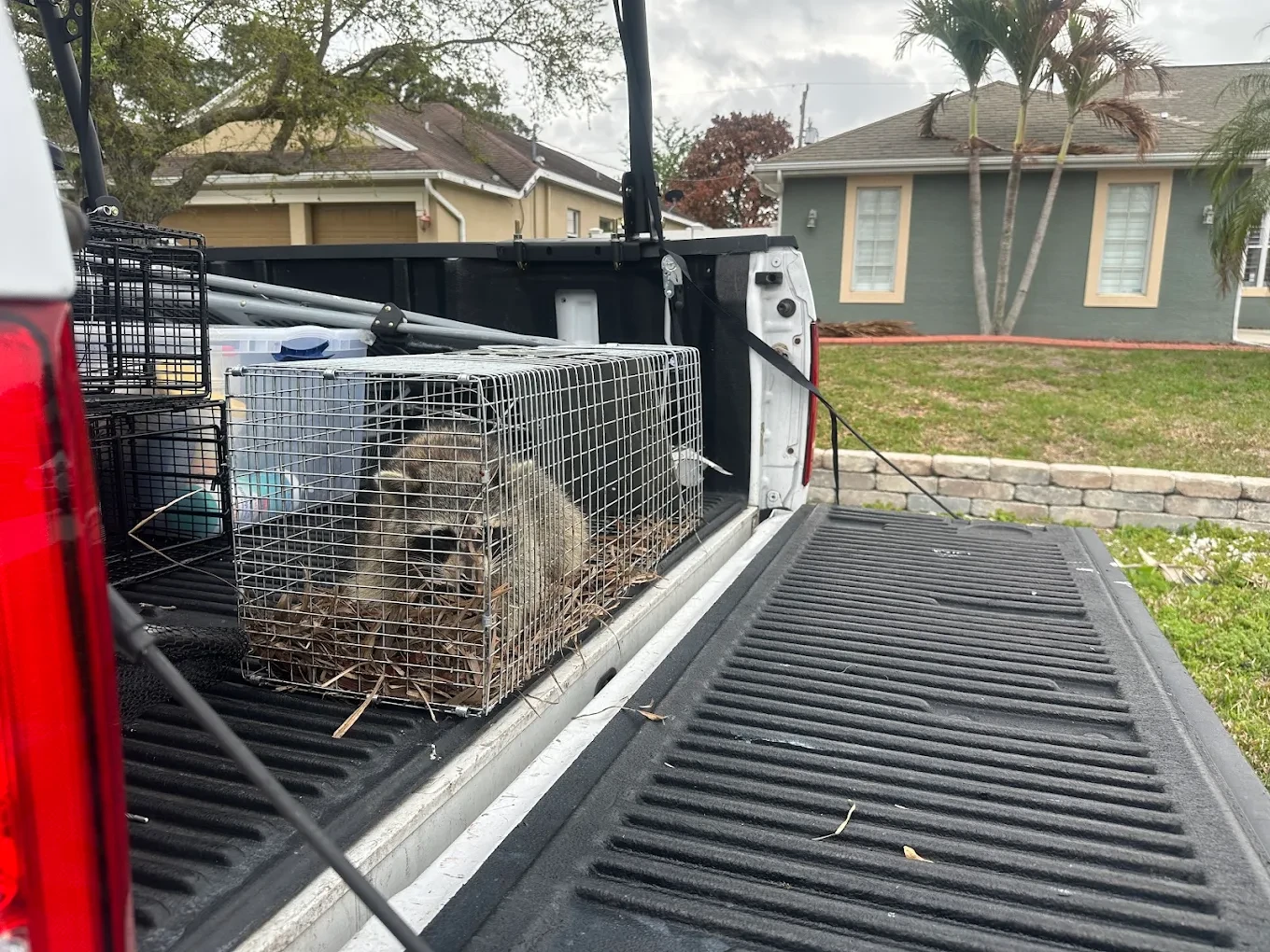
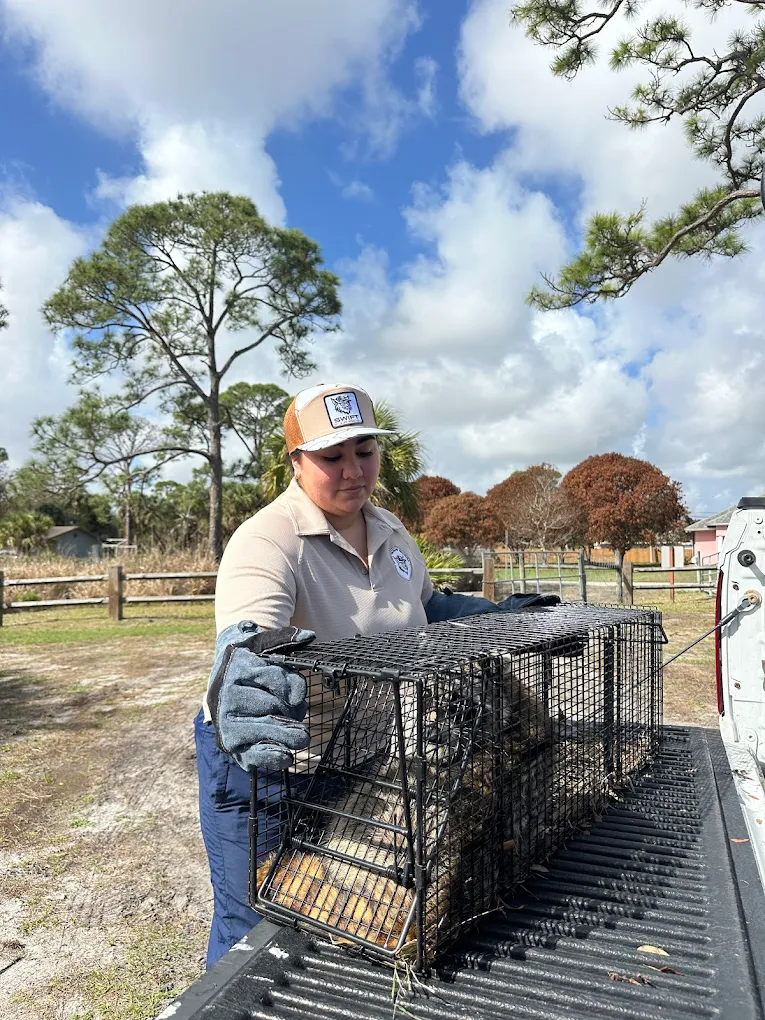
We defend a Gifford home the way we’d defend our own — close the gaps, protect the household, and stand behind the work in writing.
Original soffits, aging vents, detached sheds, the mature canopy overhead — we know exactly where a decades-old Gifford home lets wildlife in, because we seal them every week.
Mothers stay with their young, native snakes and bats are handled to FWC rules, and we exclude rather than poison — the right way and the lasting way.
A family-owned local team from just down the road — from 45th Street and Old Dixie Highway to the Indian River Farms vicinity — who tell you what a home actually needs.
We remove, seal the entries with steel, clean what was left behind, and back the exclusion with a written re-entry guarantee — one accountable team, start to finish.
⭐️⭐️⭐️⭐️⭐️ 10 Stars. Excellent service! Swift safely rescued Ursula the Raccoon and her babies. Choose Swift… you won't be disappointed!
"If you need wildlife removed the right way, call Issac! I was terrified of the raccoons sneaking around my place at night, getting into our garbage every night. Until we met Issac and his wife! They are professional, on time, and get straight to the point. Issac explained everything clearly and handled the problem fast with no stress."
"Absolutely outstanding service! The team was professional, quick, and incredibly knowledgeable. They safely removed raccoons from my property and made sure everything was secure afterward. I'm beyond impressed with their work!"
"Swift Wildlife Removal is a team of good people, very professional with removal of creatures without harming animals. They helped with raccoons in a rental property and did an excellent job! Highly recommend!"
Quick answers — or call us 24/7 for anything else.
Humane, homeowner-focused wildlife protection across Gifford — the established mainland neighborhood north of Vero Beach, from 45th Street and Old Dixie Highway to the Indian River Farms vicinity.
A no-obligation walk of your Gifford home — the roofline, the vents, the walls and garage, the sheds and the yard — with a photo-documented findings report and a plain-English home-defense plan to close the gaps before wildlife uses them. A real person answers, 24/7.