
24/7 Emergency Wildlife Removal
Swift Wildlife Removal
Professional Rat Control Specialists

Rat Control in Port St. Lucie That Protects Your Home From Hidden Risks

Rats do more damage than most homeowners realize — chewing wiring, destroying insulation and contaminating attics long before they’re seen. We assess the real risk to your property, remove the infestation, and seal the access that lets rats keep coming back.

  • Damage risk assessment
  • Attic infestations
  • Exclusion & prevention
5.0 · Rated on Google
Property Threat Assessment Form RA-01
Overall threat level Elevated — High

Illustrative grade — confirmed on site, then reduced as activity is removed and access is sealed.

Property impact alerts
Electrical Critical
Structural High
Health High
Comfort Elevated
Damage Report · 01

What Rats Can Damage Inside a Property

A rat problem is rarely just a nuisance. Here’s the standard findings report we walk homeowners through — graded by how serious each category typically is.

Findings summary 4 categories assessed
01

Electrical Risks

Critical
  • Chewed wiring insulation that exposes live conductors
  • A recognized fire hazard hidden behind walls and in attics
02

Structural Risks

High
  • Insulation shredded and compressed until it loses its R-value
  • Nesting and gnaw damage to wood, ductwork and stored belongings
03

Health Risks

High
  • Droppings and urine that contaminate surfaces and stored items
  • Pathogens and allergens circulated through the air you breathe
04

Comfort Risks

Elevated
  • Scratching and scurrying overhead that disrupts sleep
  • Musty odors that drift down into living areas
Field Research · 02

Understanding the Most Common Rats in Florida

Two very different rats, two very different problems. Where they live in your home decides how they get in — and how they’re kept out.
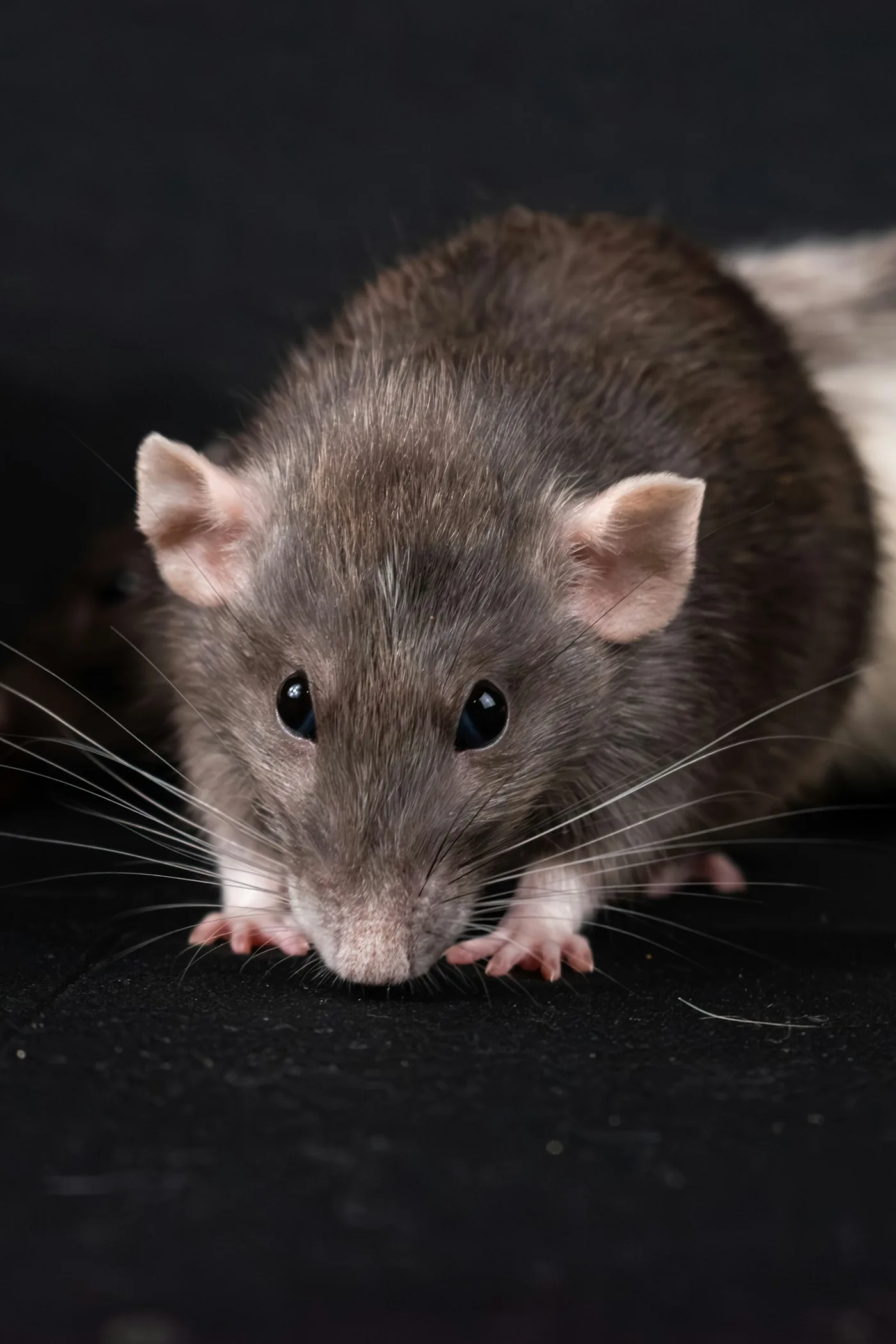
Roof Rat (Rattus rattus) — Florida’s most common attic rat handled by Swift Wildlife on the Treasure Coast

Roof Rat

Rattus rattus
Upper structure
Appearance
Sleek and slender, 13–16" including a long tail; black to brown with large ears and eyes.
Habitat
Prefers height — attics, rafters, trees and vine-covered walls.
Entry behavior
An agile climber; enters high via rooflines, soffits and overhanging branches.
Nesting
Nests up high in attics, upper cabinetry and trees.
Property risk
Overhead wiring and insulation damage — the classic Florida attic infestation.
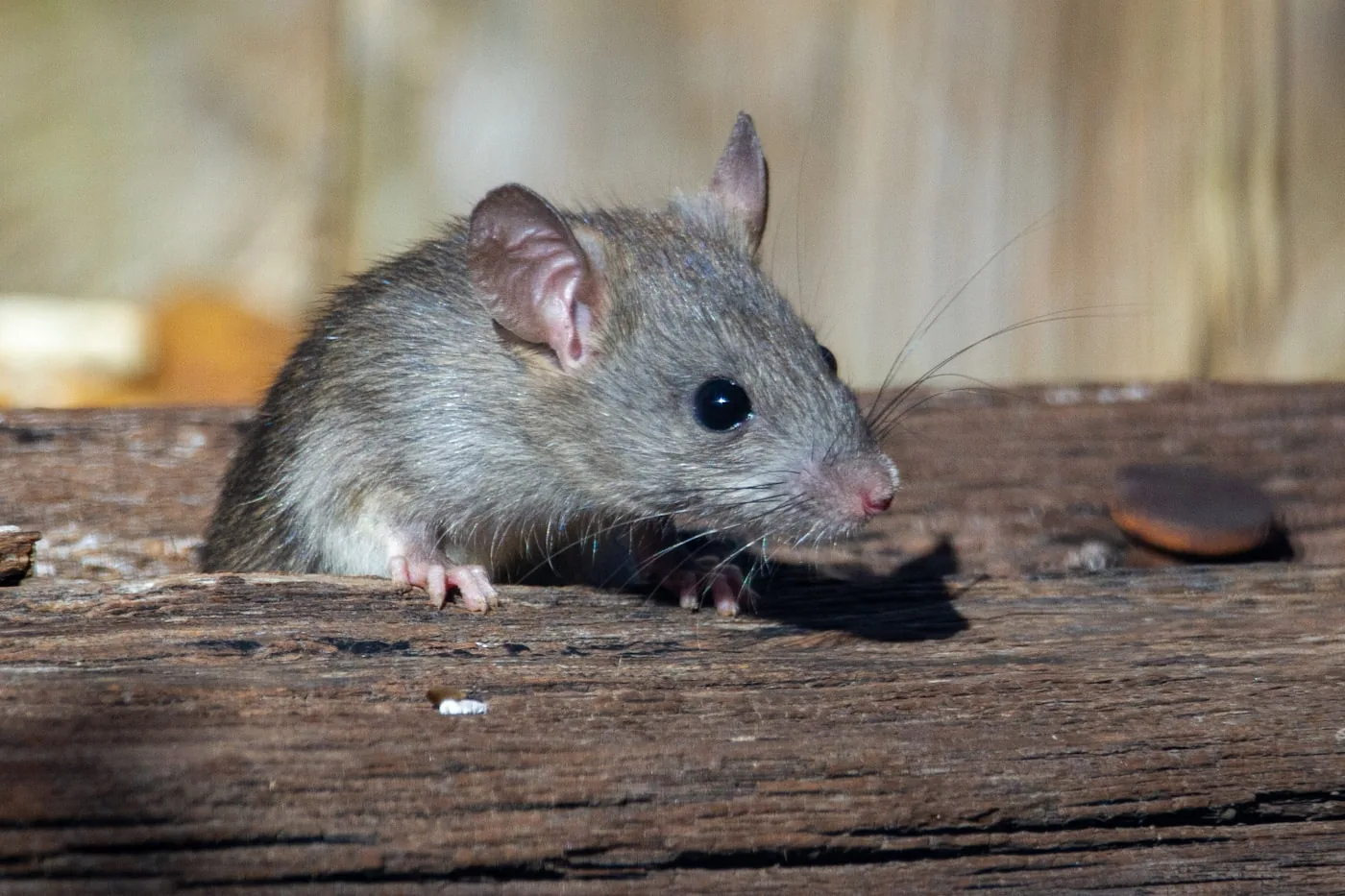
Norway Rat (Rattus norvegicus) — Ground-level burrower handled by Swift Wildlife on the Treasure Coast

Norway Rat

Rattus norvegicus
Lower structure
Appearance
Heavier and stockier, up to 16" with a shorter tail; brown-grey with smaller ears.
Habitat
Prefers low ground — burrows, crawlspaces, foundations and drains.
Entry behavior
A strong burrower; enters low through foundation gaps, crawlspace vents and drains.
Nesting
Nests low in burrows, beneath slabs and inside crawlspaces.
Property risk
Undermines foundations and gnaws low utilities, with heavy ground-level contamination.
Risk → Solution · 03

Professional Solutions for Rat Problems

Every rat issue starts as a risk and ends as a resolved property. These are the three that make up most of our rat work.

Typical signs

Overhead scratching at night, droppings across the attic and greasy rub marks along the beams.

Property risks

Chewed wiring and fire risk, ruined insulation and a colony that grows fast in the attic.

Resolve
Solution overview

Attic inspection, targeted removal, then sealing of the roofline access that let them in.

Related: Attic & Crawlspace Remediation

Rat Exclusion Services

Typical signs

Rats returning after previous treatments and predictable, recurring seasonal activity.

Property risks

An endless cycle of re-entry, with ongoing structural damage and contamination.

Resolve
Solution overview

Full entry-point sealing and reinforcement across the roofline and foundation.

Related: Wildlife Exclusion
Typical signs

Heavy droppings, a strong urine odor and soiled, shredded insulation after an infestation.

Property risks

Airborne contaminants, disease exposure and lingering odor and staining.

Resolve
Solution overview

Decontamination, sanitization and removal of soiled materials to restore the space.

Related: Animal Cleanup & Sanitization
Access Network · 04

How Rats Move Through a Property

Roof rats work top-down — from the trees to your living room. Mapping the route from high to low is how we find every access point, not just the obvious one.

  1. Trees & landscaping

    Exterior · high

    Overhanging branches and vines are the on-ramp — a permanent bridge to the roof.

  2. Roofline & soffits

    Roof level

    Rats run the roofline probing for gaps at soffit seams, fascia and roof intersections.

  3. Attic

    Upper interior

    The prime nesting hub. Once inside, the attic becomes the base the colony spreads from.

    Branches into wall voids
  4. Wall voids

    Interior · mid

    Vertical highways between floors, hidden behind pipe chases and wiring runs.

    Descends toward living space
  5. Living spaces

    Interior · low

    Where activity finally becomes obvious — gaps under cabinets and around utilities.

Why infestations spread: once the roofline is breached, the attic becomes a base and rats branch down through walls into the home — which is why sealing a single visible hole rarely ends the problem.

Verified Google Reviews · 06

Results Homeowners Can See

Genuine reviews from Swift Wildlife customers across the Treasure Coast — including the thorough rodent and attic work behind every rat call.

Verified outcome
“The company to call if you have a rat infestation. After calling several places, they were the only ones who could come the same day, arrived within the expected time and took care of the problem.”
Infestation resolved
D
Denise Rodriguez Port St. Lucie · Verified Google review
Verified outcome
“These guys were awesome. After dealing with the issue, they completely disinfected my attic and made it feel clean and safe again. They showed up on time, explained everything clearly, and didn’t cut corners.”
Attic restored
M
Mike DiGiacomo Stuart · Verified Google review
Verified outcome
“Helped me a ton with rodents. Professional, knowledgeable and straightforward from the first call to the finished job.”
Rodents handled
D
Dustin Stuart · Verified Google review

Reviews shown are genuine Google reviews from Swift Wildlife customers and reflect our overall wildlife service. Individual results and situations vary.

Resource Hub · 07

Why Rat Problems Return

Removal that doesn’t address the cause is temporary. Open each factor to see why rats come back — and how we shut it down.

Unsealed entry points
Why it recurs

The number-one reason rats come back — if the gap stays open, new rats simply follow the scent trail inside.

How we shut it down

We seal every access point around the roofline and foundation, not just trap what’s inside.

Exterior food sources
Why it recurs

Fruit trees, pet food and unsecured trash keep drawing rats back to the property night after night.

How we shut it down

We identify the food attractants and advise exactly what to remove or secure.

Tree access
Why it recurs

Branches touching the roof are a permanent bridge straight into the attic, no matter how many rats you remove.

How we shut it down

We flag the branches and landscaping routes that need to be cut off.

Shelter opportunities
Why it recurs

Attics, clutter and dense landscaping offer safe, warm places for rats to nest and breed.

How we shut it down

We reduce the harborage and seal the shelter points around the structure.

Seasonal behavior
Why it recurs

Cooler, wetter spells push rats indoors in waves, so an untreated home gets hit again each season.

How we shut it down

We harden the property before seasonal pressure arrives.

Incomplete exclusion work
Why it recurs

Partial or DIY sealing misses gaps — and rats quickly find and reopen the weak points.

How we shut it down

Our exclusion is thorough and built with materials that stand up to gnawing.

Licensed & Insured FWC-Compliant Humane Trapping & Relocation 5.0★ · 85 Google Reviews Serving Port St. Lucie & the Treasure Coast
FAQ Center · 08

Rat Control FAQs

Straight answers on roof rats, Norway rats, attic infestations, exclusion, cleanup, prevention and long-term control.

Q01 What’s the difference between roof rats and Norway rats?

Roof rats are sleek climbers that prefer height — attics, rafters and trees — and they’re the most common rat in Florida homes. Norway rats are heavier, stronger burrowers that stay low in crawlspaces, foundations and drains. Knowing which one you have shapes the whole approach, because they enter and nest in completely different parts of the property.

Q02 How do I know if I have rats in my attic?

The classic signs are scratching or scurrying overhead at night, droppings along beams and insulation, greasy rub marks where rats travel, and gnawed wiring or ductwork. Roof rats are largely nocturnal, so you’ll usually hear and find evidence of them well before you see one. An inspection confirms how active and widespread it is.

Q03 Why are rats more of a problem than mice?

Rats are larger, stronger and cause proportionally more damage — they gnaw through tougher materials, chew heavier wiring, destroy more insulation and leave far more contamination. They’re also more entrenched climbers and burrowers, which makes their entry points and travel routes more extensive. That’s why rat problems tend to carry bigger property and health risks.

Q04 What does a rat inspection involve?

We assess the property the way a rat uses it — the roofline, soffits, vents, trees, foundation and crawlspace — to find active signs, entry points and travel routes. We identify the species, gauge how far the infestation has spread, and map every access point, so the plan targets the real source rather than just the rats you can see.

Q05 How does rat exclusion work?

Exclusion is the permanent side of rat control. After removal, we seal and reinforce every gap rats use — and they can enter through openings as small as a quarter — around the roofline, vents, utilities and foundation. Because rats gnaw, we use durable, rat-resistant materials so the seal holds rather than getting chewed back open.

Q06 Do you clean up the contamination rats leave behind?

Yes. Rat droppings, urine and soiled insulation are health hazards, not just a mess. We handle decontamination and sanitization — removing contaminated material, disinfecting surfaces and neutralizing odor — so the attic or crawlspace is genuinely restored, not just cleared of rats.

Q07 Can I get rid of roof rats myself with traps?

Traps can catch individual rats, but they don’t seal the roofline entry points, address tree access or handle contamination — which is why DIY rat problems come back. Roof rats breed quickly and route through areas most homeowners can’t safely reach, so lasting control combines inspection, removal, exclusion and cleanup.

Q08 How much damage can rats really do?

More than most people expect. Rats chew wiring — a genuine fire risk — shred insulation, gnaw ductwork and structural wood, and contaminate stored belongings. A single unchecked infestation in an attic can cause thousands of dollars in damage over time, which is why early intervention is so much cheaper than waiting.

Q09 How quickly can you come out for a rat problem?

We answer live and schedule inspections promptly, because rat populations grow fast and damage compounds. Reach out and we’ll get you on the schedule quickly and let you know what to watch for in the meantime. For active, escalating situations we prioritize getting a technician on site.

Q10 How do you keep rats gone for the long term?

Long-term control is prevention: sealing every entry point, cutting off tree and roofline access, reducing food and shelter, and advising on what to maintain. We build the exclusion to last and point out the vulnerabilities specific to your property, so the fix holds long after the infestation is cleared.

Swift Wildlife mascot Take Action

Stop Rat Activity Before Damage Increases

Rat damage compounds every week it’s ignored. Choose your next step and we’ll assess the risk to your property — no forms, just fast expert help.

Free Inspection

Identify rat activity, access routes and property vulnerabilities before an infestation grows.

Book Free Inspection

Call Us Now

Speak directly with a rat-control specialist about your property concerns.

Call (772) 227-1522