
Wildlife Removal in Hobe Sound — Nature Corridor Protection
Hobe Sound is wrapped in wild land — Jonathan Dickinson State Park and its pine scrub to the west, the Hobe Sound National Wildlife Refuge to the east, wetland and tree line in between. It is a rare place to live, and it means your home sits directly on a wildlife travel route. We help you live beside the preserve without the raccoons, snakes, bats and rodents it sends toward your roofline.
(772) 227-1522 · answered live, 24/7 Serving Hobe Sound, FL ★★★★★
 The ecosystem your home sits inside
Most Hobe Sound neighborhoods do not end at a fence — they end at a preserve. Sand-pine scrub, pine flatwoods, freshwater wetland and the Loxahatchee headwaters press right up to the back of the community, and the Hobe Sound refuge holds the coast. That wild buffer is why living here feels the way it does, and it is also why wildlife has a standing invitation to your property. Understanding how that ecosystem moves is the first step to keeping it outside.
Protected habitat on every side
Jonathan Dickinson’s scrub and flatwoods to the west and the Hobe Sound refuge to the east mean nearly every neighborhood borders wild land that will always hold raccoons, snakes, opossums and bats.
Wildlife that travels, not visits
Animals here are not passing through once. They follow established routes from cover to food and water night after night — and a preserve-edge home offers denning shelter right on that route.
Where habitat meets the house
Older beachside cottages and newer subdivisions alike back onto the buffer, so a soffit, vent, crawlspace or roofline gap is often just steps from pine scrub or a wetland edge.
A climate with no off-season
Warmth, water and dense cover keep wildlife active year-round. Denning and roosting peak in spring, but the pressure from the surrounding habitat never fully lets up.
The wildlife travel corridor to your door
Wildlife does not appear at your house — it arrives along a corridor. In Hobe Sound that corridor runs from the protected core, across the wetlands and waterways, through the tree line and into the residential edge before it reaches your home. Read it from the preserve inward, and you can see exactly where we break the route.
- 1
Preserve core
Protected boundaryJonathan Dickinson’s sand-pine scrub and flatwoods and the Hobe Sound refuge are permanent reservoirs of wildlife. They will always be full — the goal is never to empty them, only to keep their residents out of your structure.
Raccoons Snakes Bats Opossums - 2
Wetland & waterways
Water routeThe Loxahatchee headwaters, sloughs and drainage that thread the area give every animal water and prey, and give snakes and their food a moist highway toward the neighborhoods.
Snakes Raccoons Rodents - 3
Tree line & scrub edge
Natural corridorThe band of pines, oaks and palmetto between wild land and yards is the sheltered travel lane. Roof rats and raccoons climb it; everything uses its cover to approach unseen.
Roof rats Raccoons Bats - 4
Residential edge
Yards & landscapingLandscaping, sheds, fruit, pet food and irrigated turf at the property line are the last staging ground — the point where an animal decides your lot is worth the stop.
Armadillos Opossums Iguanas - 5
Your home
Roofline & structureSoffits, vents, the attic, the crawlspace and utility penetrations are the destination. This is where the corridor has to end — and where our exclusion work concentrates.
Raccoons Rodents Bats
A typical Hobe Sound transect — from protected core to roofline. Wildlife moves left to right; we cut the path at the residential edge and the house.
Where habitat and home overlap
When wild land is this close, the overlap between habitat and house is not abstract — it is a specific set of points on your home. These are the zones where the corridor actually touches the structure, ranked by how directly the surrounding preserve feeds them.
-
Rooflines & soffits
DirectThe scrub-facing elevation takes the most pressure. Overhanging limbs and aging soffits let raccoons and roof rats step off the tree line straight onto the fascia.
-
Attics
DirectThe warm, quiet attic is the prize at the end of the corridor — the den and roost site raccoons, rats and bats work toward once a roofline gap gives them in.
-
Landscaping & yard edge
FrequentBeds, fruit, dense cover and irrigated turf against the preserve draw armadillos to root, iguanas to graze and everything else to linger at the property line.
-
Crawlspaces & sheds
FrequentThe dry, sheltered space beneath a raised cottage, deck or shed is a ready-made den for opossums and snakes crossing from the wetland edge.
-
Utility access points
OccasionalThe gaps where AC line-sets, plumbing and low-voltage wiring pass through the wall are dime-sized doors for rodents — common on both older cottages and newer builds.
Wildlife you’ll meet living here
These are the animals the Hobe Sound corridor delivers most often — plus the whole-home exclusion that seals them out. Each has its own dedicated local page: how it behaves against the preserve edge, the damage it does, and exactly how we remove and seal it out.
Raccoons
Cross from the scrub to an aging soffit and den in the attic — the classic preserve-edge intrusion, worst in spring.
Explore this serviceRoof rats & rodents
Climb the tree-line corridor onto the roof and slip through vent and utility gaps into the attic and walls.
Explore this serviceBats
Roost in attics and stream out at dusk to feed over the wetlands and refuge — a protected, timing-bound removal.
Explore this serviceSnakes
Hunt the wetland and scrub edges into landscaping, lanais and crawlspaces, where harmless and venomous look alike.
Explore this serviceIguanas
Work the coastal and canal vegetation to graze ornamentals and burrow into banks near the water.
Explore this serviceArmadillos
Root the soft, moist turf at the preserve edge, cratering lawns and burrowing against slabs and sheds.
Explore this serviceOpossums
Claim crawlspaces, sheds and the space under decks, drawn in by pet food and cover near the wild buffer.
Explore this serviceWildlife Exclusion
Whole-home sealing of the roofline, vents and crawlspace so the corridor ends at your structure — the lasting fix.
Explore this serviceBee & Wasp Removal
Humane bee & wasp removal
Dead Animal Removal
Humane dead animal removal
Animal Cleanup & Sanitization
Humane animal cleanup & sanitization
Attic & Crawlspace Remediation
Humane attic & crawlspace remediation
Emergency Wildlife Removal
Humane emergency wildlife removal
Prevention starts with knowing your land
The best-protected homes on the preserve edge belong to owners who read the early signs and manage the habitat at their own property line. Start here — this is the homeowner education competitors leave out.
What to watch and listen for
Scratching overhead at night, torn soffits on the scrub-facing side, shed snake skins on the lanai, cone-shaped holes in the lawn, droppings in the shed — the tells that a corridor animal has found your home before the damage is done.
How to read your own property
Walk the elevation that faces the wild land first. Check soffits, vents, the roofline, crawlspace screens and utility penetrations, and look for worn trails between the tree line and the house — the route an animal is already using.
Managing the edge you control
You cannot change the preserve, but you own the last thirty feet. Trimming limbs off the roof, clearing dense cover from the foundation, and securing fruit, trash and pet food removes the staging ground at the property line.
Getting ahead of the season
Seal soffits and vents before spring denning, screen crawlspaces and gable vents in steel, and plan exclusion before storm season opens new roofline gaps — so you are ready before the corridor is busy, not reacting after.
How we defend a preserve-edge property
Living beside protected land calls for more than a trap. It takes a layered defense that meets the corridor at the property line and ends it at the structure — built to hold against a wild buffer that never empties.
- Layer 1
Full-property inspection
We start on the elevation facing the preserve and work every zone — roofline, attic, crawlspace, landscaping and utility penetrations — mapping where the corridor actually touches your home, not just where you heard the noise.
- Layer 2
Entry-point sealing
Every gap the inspection finds is closed in galvanized steel and hardware cloth — the roofline, vents, crawlspace and utility openings animals chew straight through foam and steel wool to reach.
- Layer 3
Monitoring & verification
On an active intrusion we confirm the animal is out — and that no young remain — before we seal, then verify the seal holds. Nothing gets closed in, and nothing gets left open.
- Layer 4
Ongoing prevention
Because the preserve keeps resupplying, we back the work in writing and advise on the habitat edge you manage, so the defense keeps holding season after season.
The seasonal movement guide
Wildlife pressure on the preserve edge shifts with the year. Knowing what is moving — and why — lets a Hobe Sound homeowner get ahead of each season instead of reacting to it.
Female raccoons cross from the scrub to den in attics, and overhead chirping means kits are present. Bats return to roosts ahead of maternity season, and snakes grow active out of the warming wetland.
Warm, wet months push snake and rodent activity to its highest along the wetland and tree-line corridors. Armadillos root rain-softened turf at the preserve edge, and bat maternity season limits exclusion timing.
Dispersing young and cooling nights push raccoons and rodents from the buffer toward warm attics, and storm season opens fresh roofline gaps on older cottages — the year’s highest risk of a new intrusion.
Rodents and raccoons press into attics and crawlspaces for warmth, and a hard cold snap can cold-stun coastal iguanas out of the vegetation before the population rebounds in spring.
 Humane by default
Conservation-friendly by design
Living next to protected land, you do not want a scorched-earth approach to wildlife — and neither do we. Our work is built to solve your problem while respecting the ecosystem that makes Hobe Sound worth living in.
-
Humane, family-safe methods
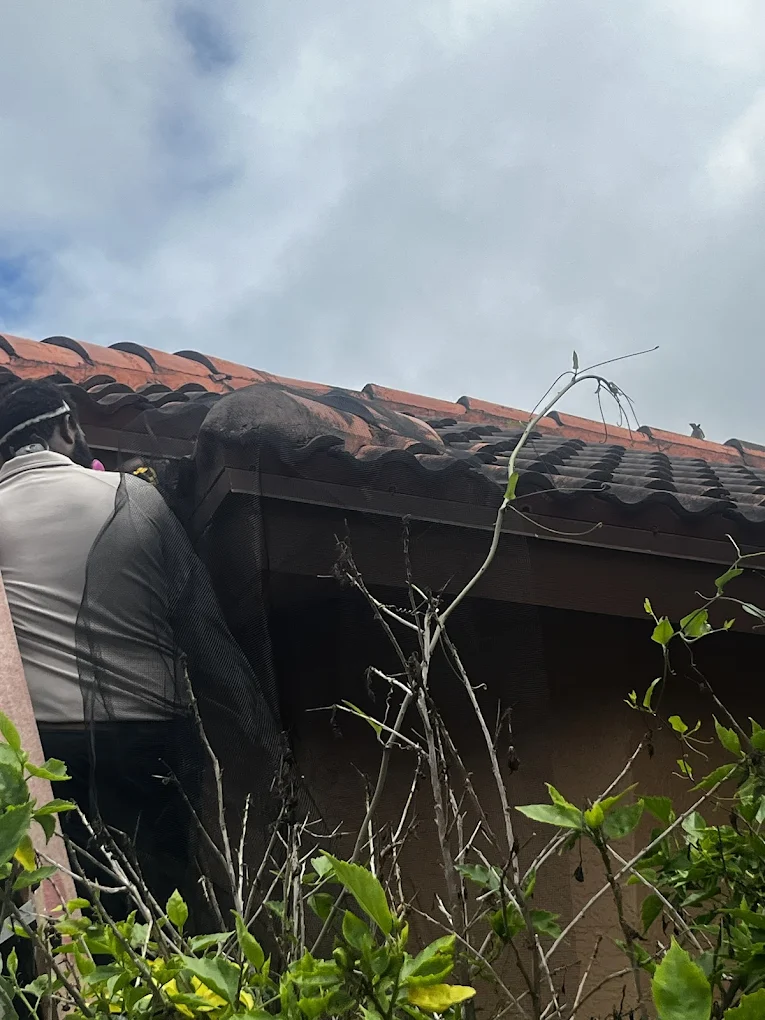
Mothers and young stay together and are reunited, native snakes and protected bats are handled by law, and we exclude and seal rather than poison — safe around children, pets and the wildlife next door.
-
Prevention over repetition
We do not run a trap line you keep refilling. We remove what is there and seal the corridor at the structure so the same animal, and the next one, loses the way in for good.
-
Protection that respects the land
Targeted exclusion protects your home without disrupting the preserve — the wild buffer stays wild, and your roofline stays yours.
Why Hobe Sound homeowners trust Swift
Protecting a home against a living preserve is a specialty, not a checklist. It takes local knowledge of how this land moves wildlife, humane methods you can trust, and a fix that actually lasts.
Preserve-edge expertise
We know how Jonathan Dickinson’s scrub and the Hobe Sound refuge feed wildlife toward these neighborhoods — and where a corridor animal actually gets into a home here.
Humane practices
Mothers and young stay together, protected species are handled by law, and we seal rather than poison — the right approach anywhere, and essential next to protected land.
A preventive approach
We solve the cause, not the symptom: the open corridor at your structure. Remove, seal, verify — so the problem does not simply return.
Long-term results
Steel-and-hardware-cloth exclusion, backed by a written re-entry guarantee, built to hold against a buffer that never stops resupplying.
What Hobe Sound & Treasure Coast
neighbors say.
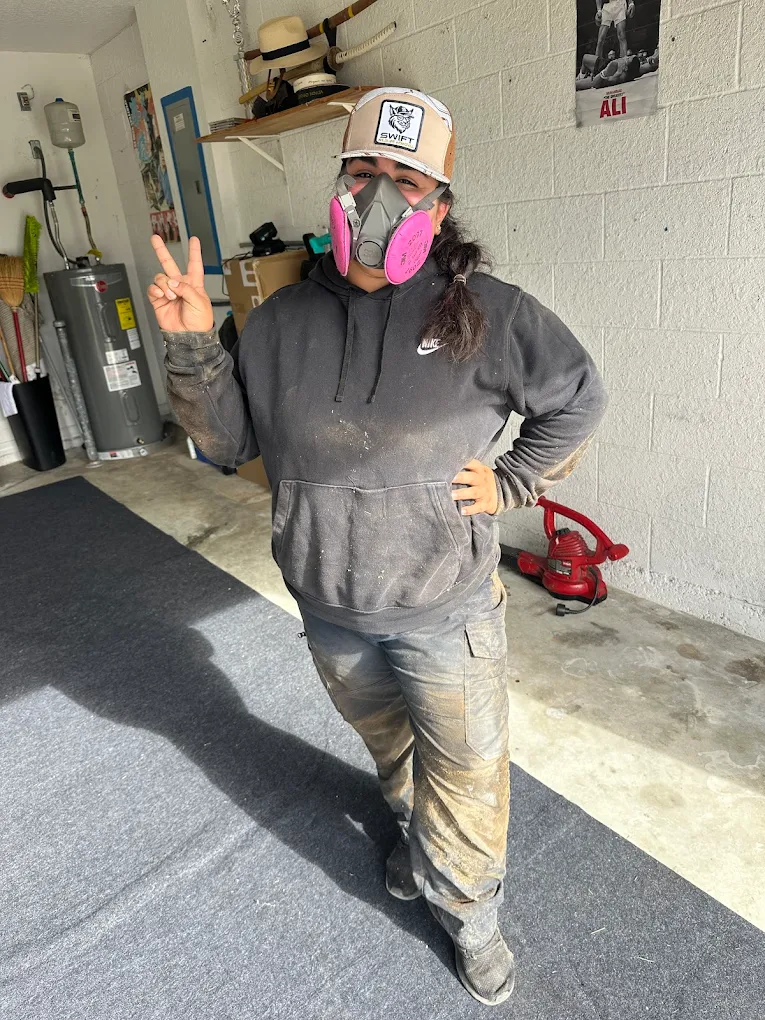
⭐️⭐️⭐️⭐️⭐️ 10 Stars. Excellent service! Swift safely rescued Ursula the Raccoon and her babies. Choose Swift… you won't be disappointed!
"If you need wildlife removed the right way, call Issac! I was terrified of the raccoons sneaking around my place at night, getting into our garbage every night. Until we met Issac and his wife! They are professional, on time, and get straight to the point. Issac explained everything clearly and handled the problem fast with no stress."
"Absolutely outstanding service! The team was professional, quick, and incredibly knowledgeable. They safely removed raccoons from my property and made sure everything was secure afterward. I'm beyond impressed with their work!"
"Swift Wildlife Removal is a team of good people, very professional with removal of creatures without harming animals. They helped with raccoons in a rental property and did an excellent job! Highly recommend!"
Hobe Sound wildlife removal — FAQ.
Quick answers — or call us 24/7 for anything else.
We back onto Jonathan Dickinson State Park — can you keep the park’s wildlife out of our home? +
Why does living near a preserve mean more wildlife problems? +
Do you use poison? +
Which animals are most common in Hobe Sound? +
How do I know if something has already gotten in? +
How much does it cost? +
How fast can you get to my Hobe Sound home? +
Serving all of Hobe Sound
Same-day, local wildlife protection across the community — from Poinciana Gardens and Zeus Park to The Cascades and Heritage Ridge, along every edge where the neighborhoods meet the preserve.
Live beside the preserve — not with it in your attic.
A free, on-site assessment of your whole property — the scrub-facing roofline, attic, crawlspace, landscaping and utility penetrations — with a written plan to remove what’s there and seal the corridor at your home. A real person answers, 24/7.
- Free, same-day on-site property assessment
- Preserve-edge inspection of every entry zone
- Written estimate & exclusion plan
- Humane removal, backed by a written guarantee