
Lower pressure
Cleared lot, house only
A mostly-cleared parcel with a single structure still sees armadillo digging and the occasional snake, but offers little denning cover — pressure is lowest and easiest to manage.
Vero Lake Estates is a wooded inland subdivision of large lots set among pine flatwoods and palmetto scrub. Out here wildlife has more room to travel and far more places to shelter than in town — woodland edges, sheds, screened structures and swales on every parcel. This is a property-management field manual for keeping an acreage-style lot ahead of the animals that cross it.

More harborage per parcel
Wildlife travel corridors
Ready-made den sites
Water and cover on-lot
A property in Vero Lake Estates isn’t a suburban footprint — it’s a parcel with edges. Pine flatwoods and palmetto scrub press against the rear and side lines, sandy soil favours burrowers, and most lots carry a shed, a screened structure or a swale that reads to wildlife as shelter and water. Animals here have travel room and choices, so the same lot can face several species at once, season after season.
That’s why a large property calls for management, not a one-off trap. The animals denning under your shed or rooting your lawn are part of a population living in the brush all around you, and they move onto the parcel along predictable routes. Get ahead of it and you’re working the whole property — the perimeter, the outbuildings and the ground — not just the one animal you happened to see.
No two lots in Vero Lake Estates carry the same wildlife load. The more woodland edge, outbuildings and untended cover a parcel holds, the more shelter and travel room it offers — and the more recurring the pressure. Find the profile closest to yours.
A mostly-cleared parcel with a single structure still sees armadillo digging and the occasional snake, but offers little denning cover — pressure is lowest and easiest to manage.
Add an outbuilding and you add a ready-made den. Opossums and rats shelter beneath and inside detached structures, turning them into a breeding base a few steps from the house.
Screened structures collect leaf litter and give climbing raccoons and rats edges to work; torn screen and screw-down tracks become recurring entry points.
A lot with pine flatwoods or palmetto on the rear or side lines sits on a wildlife travel edge — the highest, most recurring pressure, with several species crossing in from the brush.
On-lot water draws snakes, raccoons and iguanas and keeps a food supply close; the drainage corridor becomes a highway animals follow onto the property.
Stored equipment, wood piles and a workshop give rodents and snakes deep cover; the clutter of a working property is exactly the harborage wildlife seeks out.
Wildlife doesn’t wander a large lot at random — it follows edges, cover and water from the surrounding brush to the shelter your structures offer. Mapped from above, a Vero Lake Estates parcel has a handful of predictable corridors. Knowing them is how you get ahead of the animal instead of chasing it.
The flatwoods or palmetto line is the main approach — animals shelter in the brush by day and cross onto the lot after dark.
Swales and ditches carry water, frogs and rodents straight across the property — a highway that leads wildlife right to the structures.
Limbs bridging to the roof and fence lines with cover give climbers an elevated route onto the roofline and into screened structures.
Sheds, workshops and equipment become the destination — a sheltered den at the end of the route, often a breeding base by the house.
The pattern is always the same: cover to corridor to structure. Break the route — trim the bridge, clear the cover, seal the destination — and the animal loses its way in.
Property size and edge shape the wildlife load more than anything else out here. Run your parcel against these profiles — the more woodland edge and cover it carries, the higher and more recurring the pressure, and the more the defense has to cover the whole property rather than the house alone.
Little cover and short edges keep pressure low — mostly armadillo digging and the odd snake, manageable with yard and foundation work.
A single flatwoods or palmetto edge opens a travel route; raccoons and opossums begin working the rear structures and shed.
Two cover edges and more outbuildings mean several species at once and repeat visits — pressure that needs a whole-property plan.
A deep woodland edge and multiple structures put the parcel on a busy wildlife corridor — the highest, most recurring load out here.
Wherever your lot lands, a free property assessment turns this quick read into a photo-documented map of the exact edges, structures and entry points that matter on your parcel.
On a large lot the house is only one of the buildings wildlife works. Detached structures are often where the real problem lives — a den, a nest or a breeding base a few steps away that keeps re-seeding the property. Here’s how each one draws animals, and what protecting it takes.
Aging soffits, screened-in gaps and limbs bridging to the roof let climbers into the attic — the costliest space to have breached.
Gaps around doors, stored clutter and wood give rodents and snakes deep cover; a workshop is often the quietest, most-used den on the lot.
Open-skirted sheds den opossums and rats and get burrowed beneath by armadillos — a breeding base that refeeds the house until it’s sealed.
Torn screen, screw tracks and collected litter turn a screened structure into a recurring entry point and a sheltered corner.
Parked vehicles and equipment offer engine bays and undercarriages as den sites — rodents nest and chew wiring out of sight for months.
Stacked wood and untended cover along the lines are prime snake and rodent harborage — the reservoir that keeps the property populated.
The swales, ditches and pond edges that drain a Vero Lake Estates lot are also its busiest wildlife feature. Standing water, frogs and rodents make a drainage corridor a food source and a travel route in one — which is why so much recurring activity traces back to it.
A swale or ditch is a low, covered route animals follow from the flatwoods straight onto the lot — snakes, raccoons and iguanas all use it.
Water holds frogs, insects and rodents year-round, keeping predators like snakes fed and drawing raccoons and opossums to forage the edge after dark.
Soft, moist banks along a ditch or pond edge get burrowed by iguanas and armadillos, undermining the bank and the ground behind it.
The corridor rarely ends at the water — it leads to the nearest shed, lanai or foundation, tying drainage activity directly to the buildings you’re protecting.
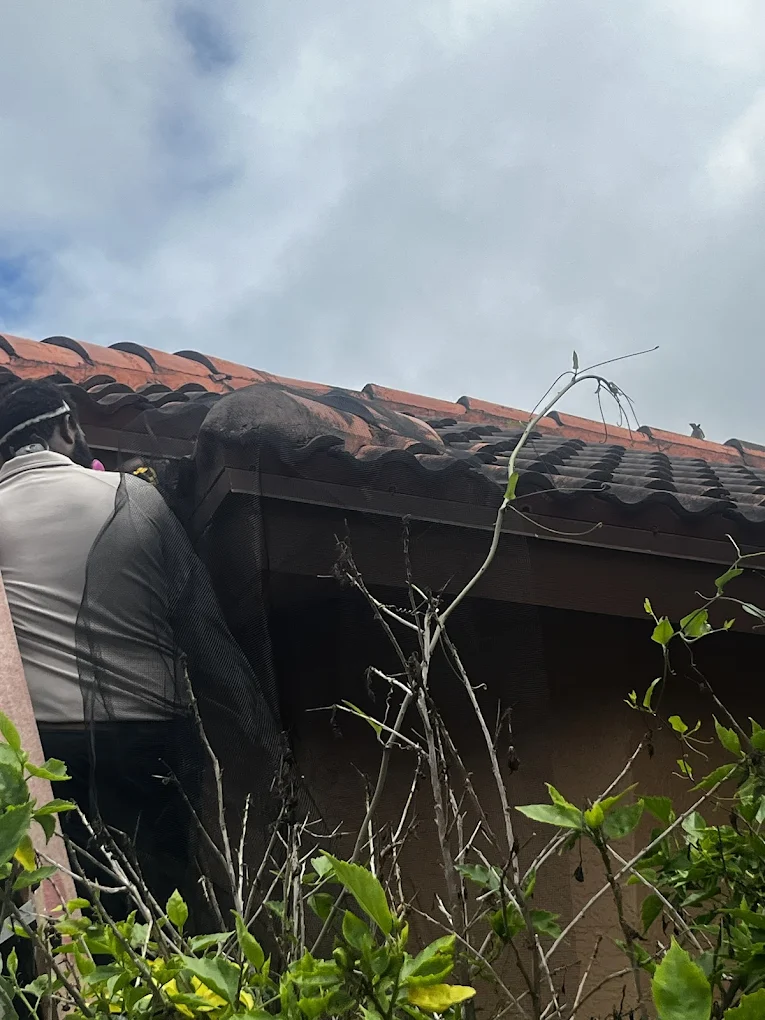
Eight wildlife services for Vero Lake Estates, each on its own local page with the property context, the movement patterns and the long-term exclusion planning that matter for that animal on a large lot. Choose the one you’re dealing with.
A large lot needs a survey, not a glance at the attic. Our inspection walks the whole parcel as a route — from the woodland edge inward — so nothing between the property line and the roofline goes unread. Here’s the transect we run.
We start at the perimeter — the flatwoods and palmetto edges, the fence lines and any wood piles — reading where wildlife is crossing onto the lot.
We follow the swales, ditches and pond edges to map the corridor and the banks being burrowed, then where the route leads next.
Each building gets its own read — the house roofline, the garage and workshop, the shed skirts, the screened structures and any stored equipment.
We check the soffits, vents and any limb bridges on the house, then the attic itself for dens, latrines and the damage already done.
We map armadillo diggings, burrows at the foundations and sheds, and the soft-soil banks that draw the diggers back.
You get a photo-documented findings map of the whole parcel and a written, prioritised plan — perimeter, structures and ground — before any work begins.
Protecting acreage is a plan worked in the right order — outside-in, from the property edge to the structures to the ground. This is the blueprint we build for a Vero Lake Estates property, phased so the biggest travel routes close first.
Wildlife pressure on a large lot rises and falls with the calendar. Here’s the almanac for Vero Lake Estates — what’s most active each season, so you can work the property a step ahead of it.
Denning peaks — females move into attics, sheds and lanais to raise young, and armadillo digging climbs as the ground warms.
The warm-season high: snake sightings and armadillo digging run at their peak, and iguanas bask and burrow along the drainage edges.
Roof rats and mice begin working from the outbuildings toward warm structures as nights cool; snake activity holds through the mild fall.
The lull for diggers and snakes, but the peak for rodents seeking warm attics and workshops — the season to seal before spring.
Managing wildlife on a wooded acre isn’t the same job as clearing a suburban attic, and it needs a team that treats the whole parcel. Property owners here choose Swift because we survey the entire property, protect every structure, and stand behind the exclusion in writing.
The perimeter, the drainage, every outbuilding and the ground — not just the animal you saw. On a large lot the fix lives in the parts most crews never walk.
House, garage, workshop, shed, lanai, equipment — we protect them as one system, because sealing the house alone leaves the shed re-seeding the lot.
Mothers stay with their young, native snakes and bats are handled to FWC rules, and we exclude rather than poison — the right way and the lasting way.
We remove, seal the routes and structures with steel, clean what was left behind, and back the exclusion with a written re-entry guarantee — one accountable team.
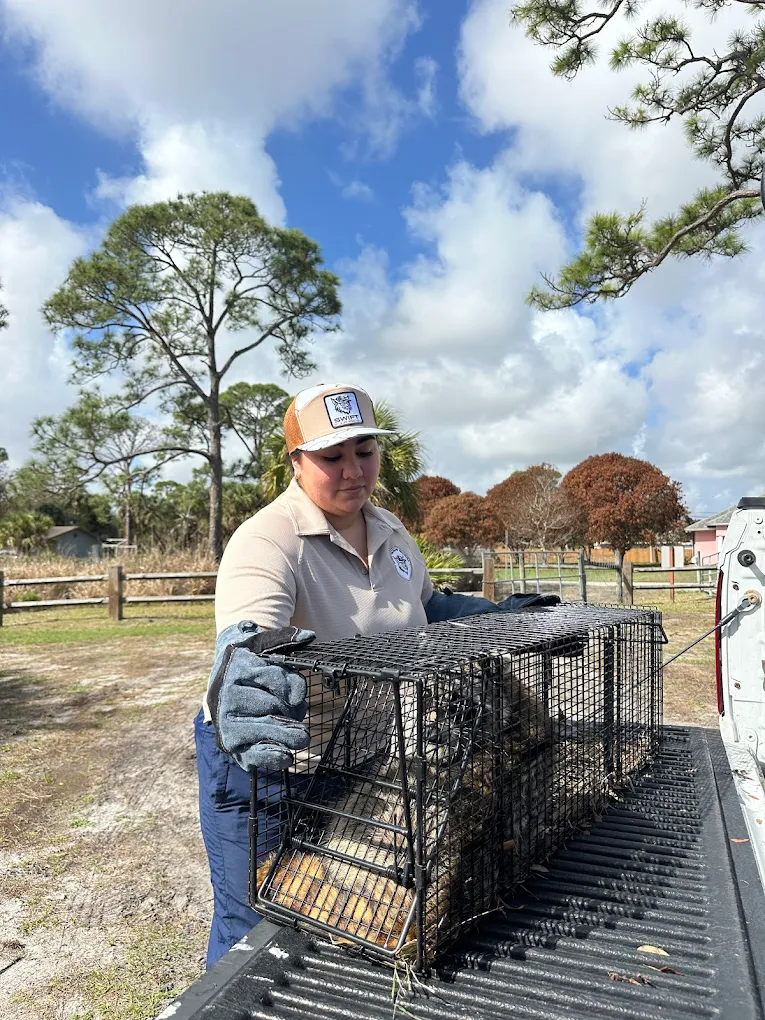
We manage a Vero Lake Estates property the way we’d manage our own land — read the whole parcel, protect every structure, and stand behind the work in writing.
⭐️⭐️⭐️⭐️⭐️ 10 Stars. Excellent service! Swift safely rescued Ursula the Raccoon and her babies. Choose Swift… you won't be disappointed!
"If you need wildlife removed the right way, call Issac! I was terrified of the raccoons sneaking around my place at night, getting into our garbage every night. Until we met Issac and his wife! They are professional, on time, and get straight to the point. Issac explained everything clearly and handled the problem fast with no stress."
"Absolutely outstanding service! The team was professional, quick, and incredibly knowledgeable. They safely removed raccoons from my property and made sure everything was secure afterward. I'm beyond impressed with their work!"
"Swift Wildlife Removal is a team of good people, very professional with removal of creatures without harming animals. They helped with raccoons in a rental property and did an excellent job! Highly recommend!"
Quick answers — or call us 24/7 for anything else.
Whole-property wildlife management across Vero Lake Estates — the wooded inland subdivision of large lots north-west of Vero Beach, from the 85th Street area and Trailwood to the Sebastian border.
A no-obligation survey of your whole Vero Lake Estates parcel — the property lines and drainage, every structure and the roofline, and the ground for burrows and digging — with a photo-documented findings map and a written, prioritised protection plan. A real person answers, 24/7.