
Higher pressure
Lot deep under mature canopy
Overhanging oak and cabbage-palm limbs give raccoons, rats and rat snakes a direct route to the roofline — the highest roofline pressure in Wabasso.
Wabasso sits between the mainland and the barrier island, tucked under mature hammock canopy near the Environmental Learning Center and the Jungle Trail — with the Indian River Lagoon and its mangrove close by. That coastal woodland is what makes it special, and it’s what keeps wildlife moving through the tree line and onto the roofline. This is a homeowner’s planning guide for protecting a home in the canopy.

Roofline highways
Wooded corridors
Water-edge wildlife
Two habitats meeting
Wabasso is unusual even for the Treasure Coast. It straddles the mainland and the route to Orchid Island, wrapped by the Jungle Trail hammock and the Environmental Learning Center, with the Indian River Lagoon and its mangrove a short reach away. Homes here sit inside a mature, coastal woodland canopy — and that overhead cover is the highway most of the wildlife travels.
For a homeowner that changes the whole picture. The pressure comes from above as much as from the ground: raccoons and rats work the limbs onto the roofline, while armadillos and snakes move out of the hammock and mangrove edges into the yard. Protecting a Wabasso home means reading the canopy and the tree line, not just the walls — planning for how wildlife arrives before it does.
Mature oak and cabbage-palm limbs bridge to the roofline, handing climbing wildlife a route straight to the soffits and vents.
The Jungle Trail hammock and Environmental Learning Center form continuous cover, so wildlife travels lot to lot without crossing open ground.
The Indian River Lagoon, mangrove and relief canals hold prey and draw snakes, raccoons and iguanas to the water’s edge.
A mix of older mainland lots and island-access properties puts homes where woodland, water and neighborhood overlap.
Not every Wabasso lot carries the same load. The more canopy overhead and the closer the hammock or water sits, the more wildlife travels through — and the more the pressure comes from the roofline as well as the ground.
Overhanging oak and cabbage-palm limbs give raccoons, rats and rat snakes a direct route to the roofline — the highest roofline pressure in Wabasso.
A lot against the Jungle Trail hammock or ELC woods sits on a travel corridor; armadillos, opossums and snakes cross in from continuous cover.
Water frontage brings basking iguanas, shoreline snakes and raccoons foraging the mangrove and bank a few steps from the yard.
Barrier-island lots see raccoons and iguanas working the coastal landscaping and screened enclosures between dune and lagoon.
Aging soffits, vents and outbuildings on established mainland lots give climbing and denning wildlife the openings they look for.
An open lot with little canopy sees mostly ground visitors — the occasional armadillo or snake — and the least roofline pressure.
In a coastal woodland, wildlife travels in layers. Read a Wabasso property from the treetops down and you can see who moves where — and where each layer delivers wildlife onto the structure. That vertical picture is the key to getting ahead of it.
The oak and cabbage-palm crown connects to the roof. Climbers run the limbs and drop onto the soffits, fascia and vents — the number-one entry route in the canopy.
Lower limbs and trunks bridge to walls, screen enclosures and gable vents. Bats roost in the roofline seams; opossums and raccoons test the mid-level openings.
The hammock floor and mangrove edge push armadillos, snakes and opossums across the yard toward foundations, outbuildings and foundation plantings.
The lagoon, mangrove and relief-canal banks stage basking iguanas and shoreline snakes, with raccoons foraging the water’s edge after dark.
Because so much arrives from above, a Wabasso plan starts overhead — trimming the canopy bridge and sealing the roofline — then works down to the ground and the water’s edge.
Walk a Wabasso home in five zones and you’ll know where to look. Each carries its own wildlife and its own weak points — from the roofline the canopy delivers to, down to the water’s edge.
Where the canopy meets the house: soffits, fascia, gable vents and ridge seams are the busiest entry points on a Wabasso home.
Screen rooms, lanais and wall penetrations collect leaf litter and give mid-level wildlife sheltered ways in.
Foundation gaps, plantings and burrows at the slab where hammock-edge wildlife arrives at the walls.
Detached sheds and outbuildings on wooded lots den scavengers and get burrowed beneath — a base tucked into the cover.
The lagoon, canal bank and coastal landscaping stage basking iguanas and shoreline snakes at the yard’s edge.
Eight wildlife services for Wabasso, each on its own local page with the canopy context, the movement patterns and the long-term protection planning that matter for that animal on a coastal woodland lot. Choose the one you’re dealing with.
Humane bee & wasp removal
Humane dead animal removal
Humane animal cleanup & sanitization
Humane attic & crawlspace remediation
Humane emergency wildlife removal
Coastal woodland wildlife runs on the seasons and the rains. This dashboard reads the year at a glance for Wabasso — what’s most active each season, so you can plan the property a step ahead of it.
Denning season begins
Peak, rain-driven activity
Rodents move to the roofline
The quiet-season shift indoors
Warm-season rains drive the diggers and reptiles; the cool season pushes rodents up into the roofline. A canopy home benefits from sealing before both peaks.
On a canopy home, wildlife follows the path of least resistance from cover to opening. Learn the four routes below and you’ll know where the tells appear — the same routes our inspectors trace first.
Raccoons & roof rats run overhanging limbs onto the roof
Scratching overhead at night; limbs touching the roofline; soiled soffit corners.
Bats and rats exploit fascia gaps, gable vents and ridge seams
Stains below the fascia; droppings on the gable wall; dusk fly-out from a vent.
Armadillos, opossums and snakes cross from cover to foundation
Cone-shaped diggings; burrows at the slab; shed skins in the leaf litter.
Iguanas and snakes work the lagoon, mangrove and canal banks
Basking on the bank or seawall; burrows in the bank; tracks at the waterline.
A canopy home is protected in tiers, worked from the treetops down. Here’s the plan our inspectors build for a Wabasso property — each tier closes a layer of the way wildlife arrives.
Trim oak and cabbage-palm limbs back off the roofline to cut the overhead bridge, and thin the hammock-edge growth wildlife travels under.
Close soffits, fascia, gable vents and ridge seams with galvanized steel — the layer the canopy delivers the most wildlife to.
Skirt outbuildings, close foundation and screen gaps, and trench hardware cloth against armadillos and burrowers at the hammock edge.
Keep the lagoon and canal bank open, screen bank cavities, and reduce the cover that stages iguanas and shoreline snakes.
Removal alone never holds on a canopy lot — the woodland keeps sending the next animal. Lasting protection follows a framework: read the layers, seal with the right materials, and back it in writing.
We map the property from the treetops to the water’s edge — the canopy bridges, the roofline seams, the ground routes and the bank — so nothing that delivers wildlife is missed.
Because the canopy loads the roof, we seal soffits, fascia and vents with galvanized steel and screen first — the materials wildlife can’t chew or pry.
Outbuildings, foundations and screen enclosures are sealed and, where needed, trenched with buried hardware cloth against hammock-edge diggers.
The whole envelope is photo-documented and backed by our written re-entry guarantee — protection you can point to at resale on a coastal home.
Backed by our written re-entry guarantee.
Most of what keeps a canopy home clear is a handful of habits, worked from the roofline down. Run this checklist on your Wabasso property — the more you can tick off, the less inviting your home is to the wildlife in the canopy.
Protecting a home in the coastal canopy takes a team that reads the whole woodland — the treetops, the tree line and the water’s edge — not just the walls. Wabasso residents choose Swift because we plan for how wildlife arrives, and stand behind the work in writing.
The overhead limbs, the roofline seams, the hammock floor and the lagoon bank — we know how wildlife travels a Wabasso lot in layers, because we plan for it every week.
On a canopy home most wildlife arrives from above, so we seal the soffits, fascia and vents with steel first — where a coastal roofline is most exposed.
Mothers stay with their young, native snakes and bats are handled to FWC rules, and we exclude rather than poison — right for the household and the hammock.
We remove, seal the routes with steel, clean what was left behind, and back the exclusion with a written re-entry guarantee — one accountable team.
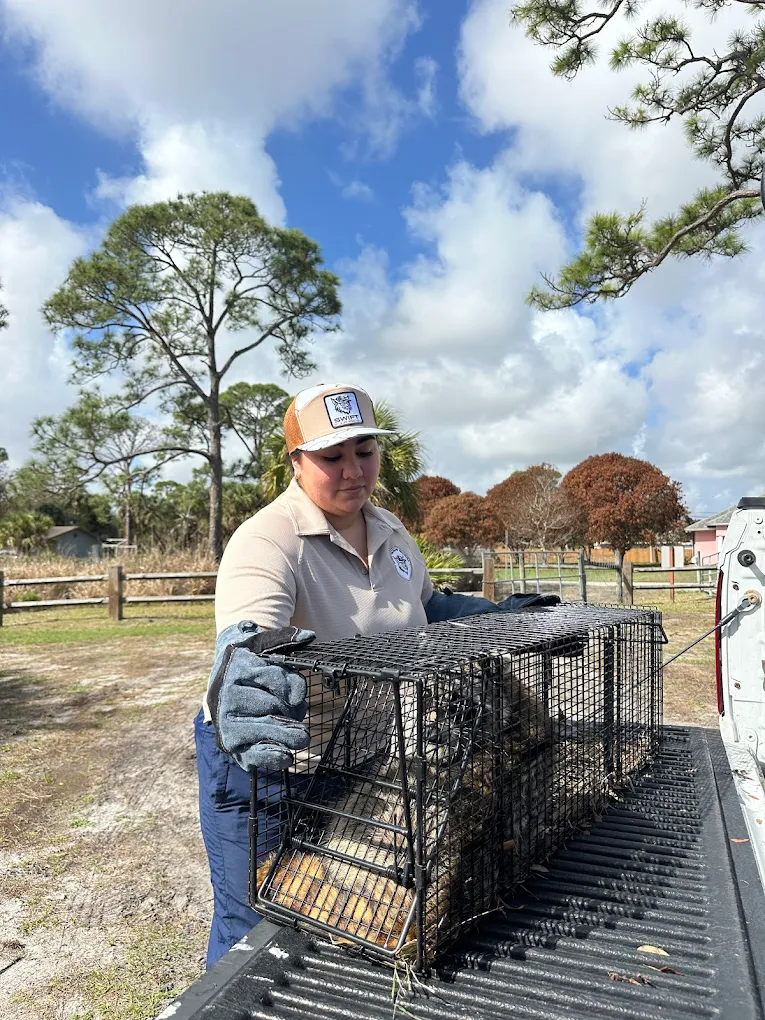
We protect a Wabasso home the way we’d protect our own place in the canopy — read the whole woodland, close the routes, and stand behind the work in writing.
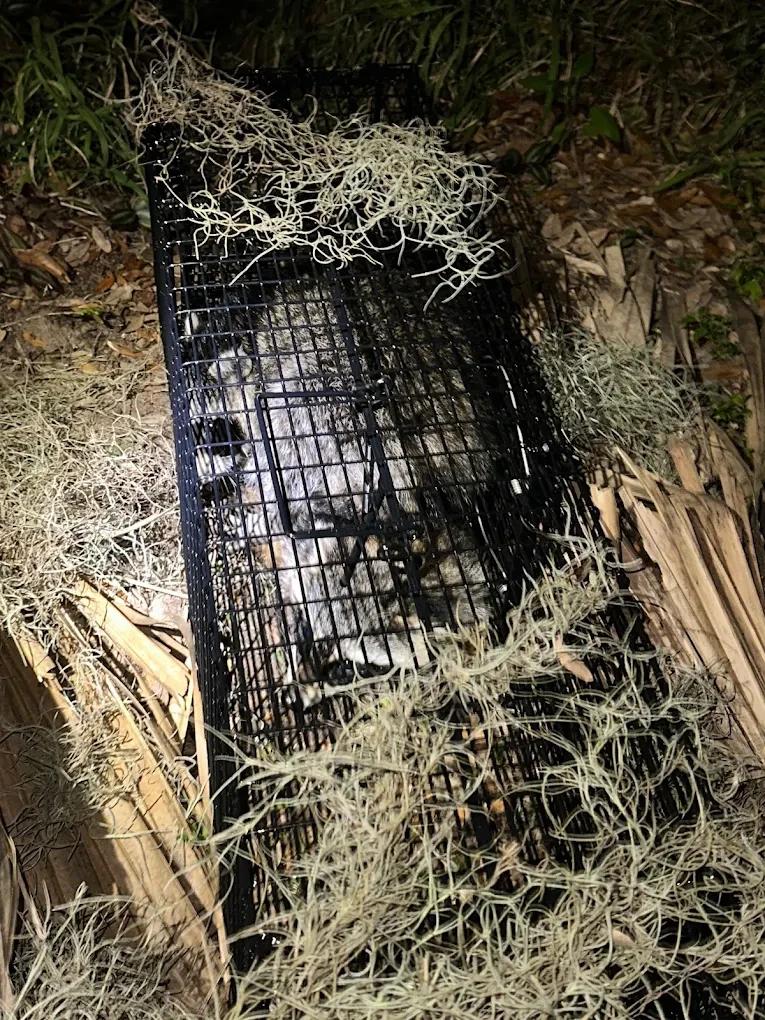
⭐️⭐️⭐️⭐️⭐️ 10 Stars. Excellent service! Swift safely rescued Ursula the Raccoon and her babies. Choose Swift… you won't be disappointed!
"If you need wildlife removed the right way, call Issac! I was terrified of the raccoons sneaking around my place at night, getting into our garbage every night. Until we met Issac and his wife! They are professional, on time, and get straight to the point. Issac explained everything clearly and handled the problem fast with no stress."
"Absolutely outstanding service! The team was professional, quick, and incredibly knowledgeable. They safely removed raccoons from my property and made sure everything was secure afterward. I'm beyond impressed with their work!"
"Swift Wildlife Removal is a team of good people, very professional with removal of creatures without harming animals. They helped with raccoons in a rental property and did an excellent job! Highly recommend!"
Quick answers — or call us 24/7 for anything else.
Coastal woodland wildlife management across Wabasso — the community between the mainland and the barrier island, near the Environmental Learning Center and the Jungle Trail, from Wabasso Beach and County Road 510 to Old Dixie Highway.
A no-obligation, whole-canopy survey of your Wabasso home — the overhead limbs and roofline, the walls and screens, the hammock floor and foundation, and the lagoon or canal bank — with a photo-documented route map and a written, tiered protection plan. A real person answers, 24/7.