
Barn & feed areas
Rodents · opossums · snakes
Feed and stored grain draw rodents, opossums scavenge the space, and snakes follow the rodents into the barn.
Winter Beach is rural mainland country north of Vero Beach — a patchwork of pasture, pine flatwoods and older homesteads on large lots, where wild land presses right up to the barns and back porches. On acreage like this, wildlife management is a whole-property job: reading how animals cross from the open land to the outbuildings and the attic. This is a property owner’s ledger for protecting an estate lot.

Open foraging land
Barns & outbuildings
Wildlife crosses freely
Travel corridors
Winter Beach isn’t a subdivision — it’s working country. Pasture, pine flatwoods and brushy land wrap around older homesteads on large, sandy lots, and that wild ground presses right up to the sheds, barns and back doors. The loose, grub-rich soil and constant cover make armadillos, snakes and opossums the everyday callers, with raccoons working the outbuildings and roofline after dark.
That changes what protection means. On an acreage lot you can’t simply seal a wall and be done — wildlife crosses the whole property, from the flatwoods and fence rows to the barn, the shed and the attic. Protecting an estate here is a property-wide plan: read the transition from open land to structure, close the harborage, and monitor the corridors the animals actually travel.
Loose, sandy, grub-rich soil across the pasture and flatwoods gives armadillos easy digging and a constant food supply against the lots.
Barns, sheds and older footings offer denning and burrowing harborage — the outbuildings are often where the real problem lives.
Brushy fence rows and oak-hammock edges are the corridors wildlife follows in from the open land to the structures.
Relief canals toward the lagoon hold water and prey, drawing snakes, raccoons and the occasional iguana onto the rural lots.
Not every Winter Beach property carries the same wildlife load. We grade the exposure the way an inspector would — the more open land, outbuildings and cover a lot holds, the higher the tier. Find the profile closest to yours.
Barns, feed, outbuildings and open pasture on one lot draw the full roster — armadillos, snakes, opossums, raccoons and rodents all at once, with the most harborage to close.
A lot with pine flatwoods or pasture on the lines sits on a wildlife travel edge; several species cross in from continuous cover nightly.
Sheds, garages and aging soffits on an established lot give burrowers and climbers ready den sites a few steps from the house.
A brushy fence row or relief canal on the boundary is a corridor; snakes, raccoons and iguanas follow it onto the property.
An open, mostly-cleared lot still sees armadillo digging and the odd snake, but offers less denning cover — the most manageable profile.
On a Winter Beach lot, wildlife pressure builds in bands as you move from the wild land to the house. Each transition zone hands animals off to the next — and knowing the sequence is how you get ahead of them before they reach the barn or the attic.
Pasture, pine flatwoods and brushy land hold the resident population — armadillos, snakes and opossums living on the open ground.
Brushy fence rows and oak-hammock edges give continuous cover, the route wildlife follows in from the wild land after dark.
Barns, sheds and the yard are the first structures reached — denning, burrowing and a base a few steps from the home.
The house itself — soffits, vents and foundation — where climbers reach the attic and diggers reach the footings.
Break the sequence — clear the fence-row corridor, close the outbuildings, seal the home — and the transition stops delivering wildlife to your door.
On an estate lot the buildings are where wildlife causes the real trouble. Here’s how the everyday callers work each structure once they cross onto the property.
Feed and stored grain draw rodents, opossums scavenge the space, and snakes follow the rodents into the barn.
Open skirting dens opossums and rats; armadillos burrow beneath — a breeding base tucked into the cover.
Gaps around doors and stored clutter give rodents and snakes deep, quiet harborage close to the house.
Aging soffits, vents and overhanging limbs let climbers into the attic — the costliest space to have breached.
Armadillo burrows undermine footings and slabs; snakes shelter in the foundation plantings and gaps.
Grub-rich lawn and garden soil is rooted nightly; opossums work the beds and any unsecured feed or trash.
Eight wildlife services for Winter Beach, each on its own local page with the acreage context, the structure risks and the property-wide prevention that matter for that animal on a rural lot. Choose the one you’re dealing with.
A large rural lot is a different job from a house in town. These are the challenges that shape how we protect an estate property in Winter Beach — and why a whole-property plan beats a one-off trap.
Animals move freely across open acreage from several directions, so protection has to read the whole property, not one wall.
Barn, shed, garage, home and footings each draw wildlife differently and must be protected as one connected system.
Brush, wood piles, fence rows and outbuildings give constant cover, so clearing harborage matters as much as sealing gaps.
The surrounding pasture and flatwoods always hold wildlife, so the property needs monitoring, not just a single removal.
The outbuildings are usually where an acreage wildlife problem takes hold. Here’s the risk we grade for each structure on a Winter Beach lot — and what’s at stake if it’s left open.
The costliest space to have breached — fouled insulation, gnawed wiring and a den a female returns to each spring.
Feed and shelter make a barn a magnet; rodents contaminate stored grain and snakes follow them in.
Open-skirted sheds den scavengers and get burrowed beneath — a breeding base that re-seeds the property.
Stored clutter and door gaps give quiet harborage and let rodents chew wiring on parked equipment.
Burrows undermine footings and slabs; a long tunnel can settle a structure before it’s noticed on a large lot.
On rural land, wildlife movement follows the seasons and the rains. Here’s how the year moves across a Winter Beach property — so you can work ahead of each shift.
Denning season — raccoons and opossums move from the flatwoods into barns, sheds and attics to raise young, and armadillo digging climbs.
Peak, rain-driven activity — armadillo rooting and snake movement surge across pasture, garden and foundation as the soft ground floods with grubs.
Rodents begin working from the fields and fence rows toward the barn and warm roofline as nights cool; snakes stay active in the mild fall.
The quiet season for diggers, but the peak for rodents seeking warm attics, barns and workshops — the time to seal before spring.
Protecting acreage is a plan worked from the property line inward. This is the ledger we build for a Winter Beach estate — each phase closes a stage of the transition from wild land to structure.
Cut brush, wood piles and dense cover along the fence rows and lines, and trim limbs bridging to the roof — closing the routes in from the open land.
Skirt and seal barns, sheds and workshops; secure feed and stored grain so the structures stop drawing and denning wildlife.
Close the roofline, soffits, vents and foundation with galvanized steel, and trench hardware cloth against burrowers at the footings.
Set a monitoring pass on the corridors and structures so a new arrival is caught before it re-establishes on the lot.
On a lot bordered by wild land, removal alone never lasts — the property needs sealing and a plan to keep watch. Here’s how we make exclusion hold on Winter Beach acreage.
Rooflines, soffits, vents and outbuilding gaps are sealed with galvanized steel and hardware cloth — the materials wildlife can’t chew or pry.
Hardware cloth is trenched along barns, sheds and footings to stop armadillos and burrowers from tunnelling underneath.
Brush, wood piles and fence-row cover are cleared back so the property stops offering the routes and shelter wildlife depends on.
A monitoring plan keeps watch on the corridors and structures, catching a new arrival early — essential on a lot next to wild land.
Every exclusion we install is backed by our written re-entry guarantee.
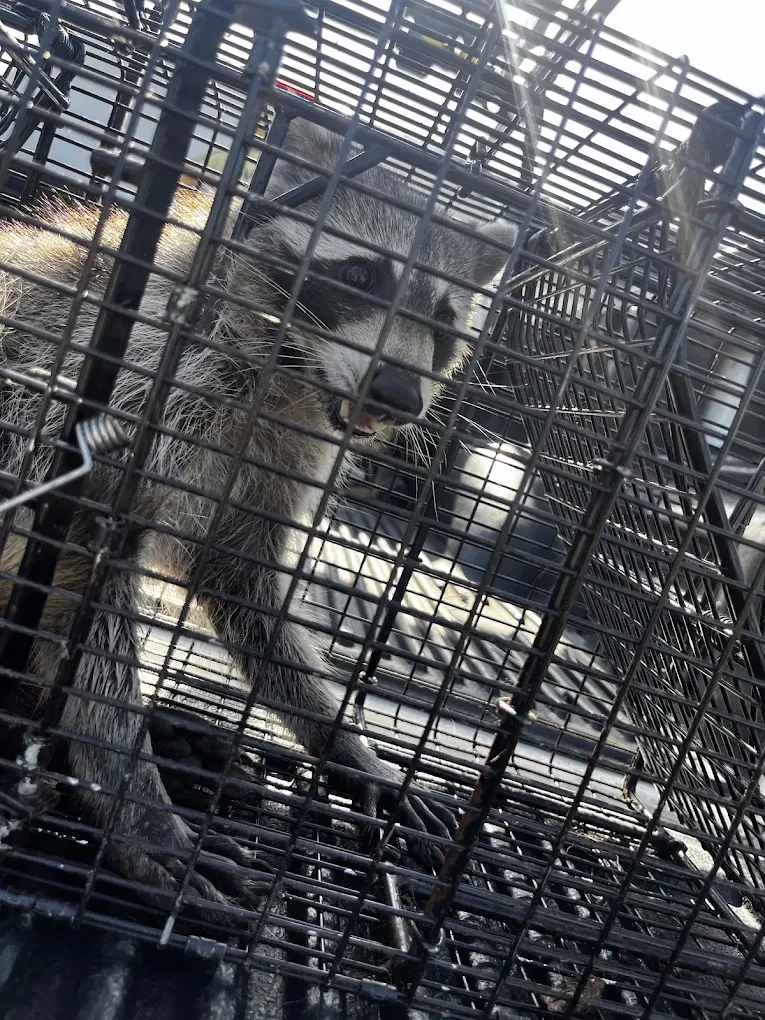
Managing wildlife on acreage takes a team that treats the whole property — the pasture edge, every outbuilding, and the home — not just the one animal you saw. Winter Beach property owners choose Swift because we plan for how wildlife crosses the land, and stand behind the work in writing.
The fence rows, the barn, the shed, the footings and the attic — not just the animal you spotted. On acreage the fix lives in the parts most crews never walk.
Barns, sheds, workshops and older footings are where the real problem lives out here, and we protect them as one system with the home.
Mothers stay with their young, native snakes and bats are handled to FWC rules, and we exclude rather than poison — the right way and the lasting way.
We remove, seal the structures with steel, clear the harborage, monitor the corridors and back it with a written re-entry guarantee — one accountable team.
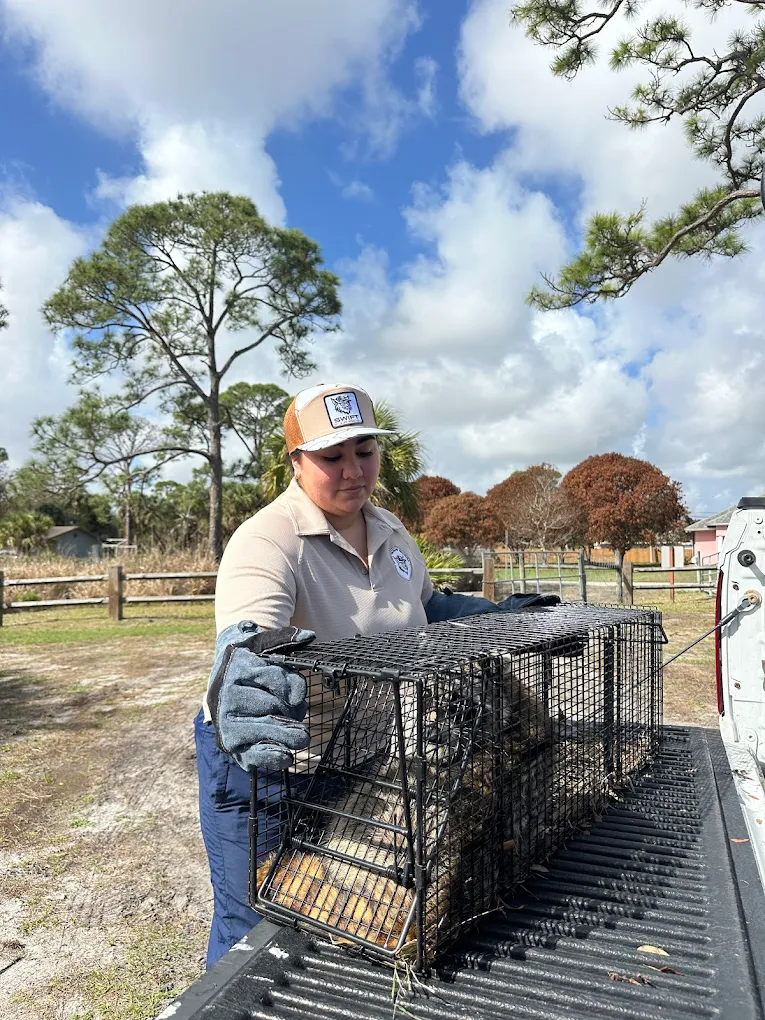
We manage a Winter Beach property the way we’d manage our own place in the country — read the whole lot, protect every structure, and stand behind the work in writing.
⭐️⭐️⭐️⭐️⭐️ 10 Stars. Excellent service! Swift safely rescued Ursula the Raccoon and her babies. Choose Swift… you won't be disappointed!
"If you need wildlife removed the right way, call Issac! I was terrified of the raccoons sneaking around my place at night, getting into our garbage every night. Until we met Issac and his wife! They are professional, on time, and get straight to the point. Issac explained everything clearly and handled the problem fast with no stress."
"Absolutely outstanding service! The team was professional, quick, and incredibly knowledgeable. They safely removed raccoons from my property and made sure everything was secure afterward. I'm beyond impressed with their work!"
"Swift Wildlife Removal is a team of good people, very professional with removal of creatures without harming animals. They helped with raccoons in a rental property and did an excellent job! Highly recommend!"
Quick answers — or call us 24/7 for anything else.
Whole-property wildlife protection across Winter Beach — the rural mainland community north of Vero Beach, from the 65th Street area and Old Dixie Highway to the Indian River Boulevard lots.
A no-obligation, whole-property survey of your Winter Beach lot — the pasture edge and fence rows, the barn, sheds and garage, and the home’s roofline and foundation — with a photo-documented findings ledger and a written, phased protection plan. A real person answers, 24/7.